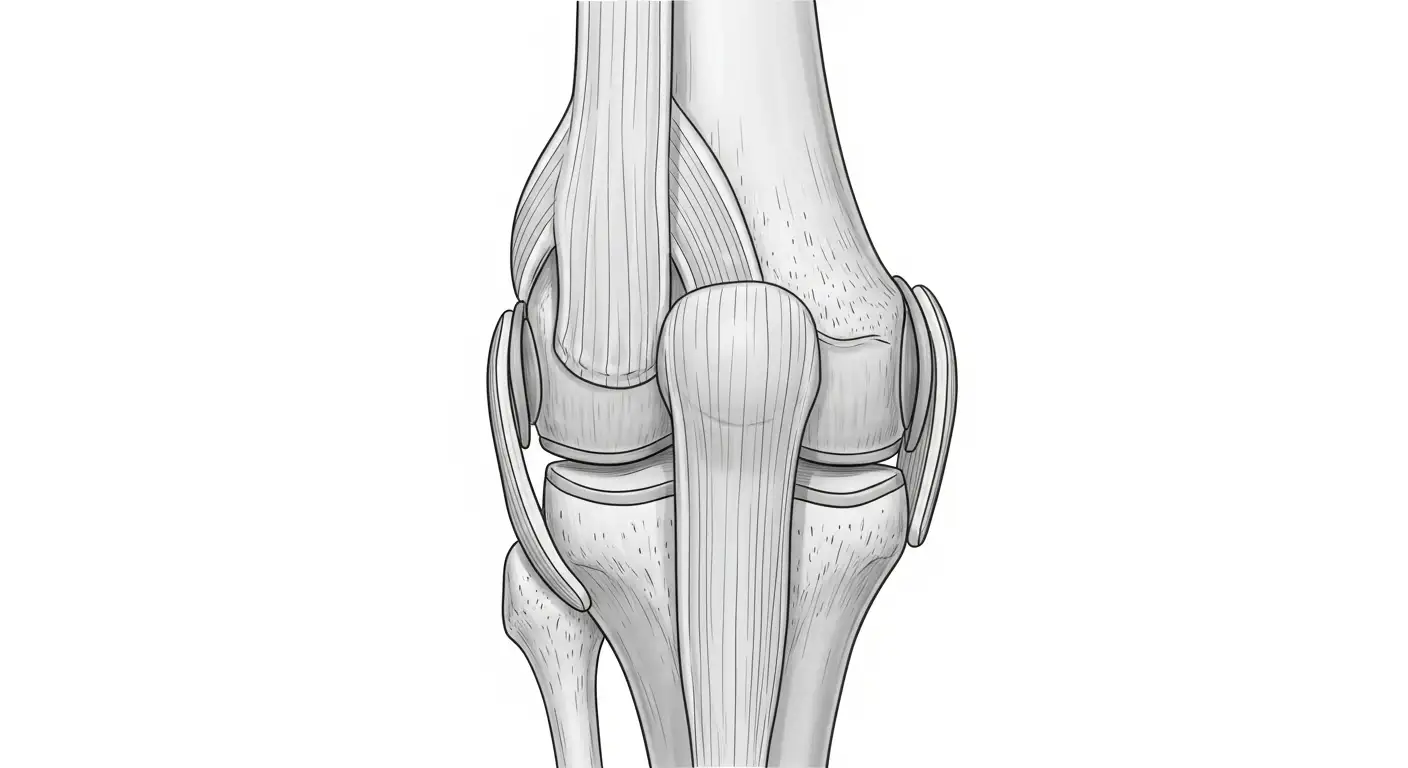
Understanding Knee Replacement Surgery
Knee replacement surgery, or knee arthroplasty, is a medical procedure carried out to relieve pain and restore function in severely diseased knee joints. Surgeons remove damaged, diseased bone and cartilage from the knee joint and replace it with an artificial joint or implant made of metal alloys, high-grade plastics, and polymers.
Overview of Knee Replacement
Knee replacement surgery is a common solution for individuals suffering from severe arthritis or serious knee injuries. The procedure involves removing the damaged surfaces of the knee joint and replacing them with an artificial implant. This implant mimics the function of a healthy knee joint, enabling individuals to move more freely and experience less pain.

While knee replacement surgery is a major operation, advancements in surgical techniques and implant technology have improved the safety and effectiveness of the procedure. However, as with any surgery, there are potential risks and complications that patients should be aware of.
Knee implants are designed to be long-lasting but can fail due to various causes such as infection, instability, stiffness, implant issues (e.g., fracture), or aseptic loosening.
Statistics on Knee Replacement
Knee replacement surgery is a common procedure, with over 790,000 surgeries performed in the United States every year according to the American Academy of Orthopedic Surgeons.
Despite the concerns about potential complications, the success rate of knee replacement surgery is quite high. Total knee replacements can function well for at least 15 to 20 years in more than 85% to 90% of patients. However, some procedures or implants can fail at some point, leading to the need for knee revision surgery [2].
Statistics courtesy Health Partners
The high success rate of knee replacement surgery demonstrates its effectiveness in relieving pain and restoring mobility for patients with severe knee conditions. However, patients should be aware of the potential risks and complications associated with the procedure and discuss these with their surgeon before deciding on surgery. It's also important to remember that while the implants used in knee replacement surgery are designed to last, they may fail over time and require revision surgery.
Common Complications Post-Surgery
Despite being a common and often successful procedure, knee replacement surgery can sometimes lead to complications. Some of these complications occur shortly after surgery, while others may develop over time. This section will explore the most commonly reported problems after knee replacement surgery, including infection, aseptic loosening and instability, and chronic pain.
Infection after Knee Replacement
Infection is the most common clinical reason for early failure in knee replacements, accounting for 8% to 28% of revised total knee replacements and about 6% of revised partial knee replacements [3]. Infections can occur in the hospital shortly after surgery or even years later. Symptoms of infection may include pain, redness and warmth in the knee, and fever. If an infection develops, it is vital to treat it promptly to prevent further complications.
Aseptic Loosening and Instability
Aseptic loosening, where the artificial knee joint becomes loose, is another common cause of failure in knee replacements. According to the NCBI, it accounts for 11% to 35% of revised total knee replacements and 23% to 43% of revised partial knee replacements. This complication can cause pain and instability in the knee.
Joint instability, another common complication, accounts for between 3% and 17% of revised total knee replacements and 1% to 6% of revised partial knee replacements. This occurs when the knee joint is unstable or dislocates, making it difficult to stand or walk.
Chronic Pain Post-Surgery
Chronic pain following knee replacement surgery is also a common complication. It is cited as a cause of failure in 12% to 18% of revised total knee replacements and 8% to 46% of revised partial knee replacements.
The most common symptoms of a failed knee implant, according to HSS.edu, are pain, decrease in joint function, knee instability, and swelling or stiffness in the knee joint. Patients who demonstrate these symptoms may require revision joint surgery.
While complications following knee replacement surgery can be concerning, it's important to remember that they are relatively rare. Understanding these potential issues can help patients and their healthcare providers take steps to prevent them and manage them effectively if they do occur. Always consult with a healthcare professional if you have any concerns about your knee replacement.
Potential Risks of Knee Replacement
While knee replacement surgery often improves mobility and quality of life, potential risks and complications should be considered. These include the risk of blood clots, nerve and blood vessel damage, and implant failure leading to revision surgery.
Risk of Blood Clots
A common complication post knee replacement surgery is the development of blood clots, specifically deep vein thrombosis (DVT). The changes in blood flow and clotting post-surgery can lead to this condition, and in severe cases, these clots can break loose and travel to the lungs, resulting in a life-threatening pulmonary embolism.
Approximately 1 in 100 people undergoing knee replacement surgery may develop a blood clot. However, this risk can be mitigated with preventive measures. Patients are often prescribed blood thinners and encouraged to move around post-surgery to improve blood flow. Additionally, prophylactic measures like the use of compression stockings can also be beneficial.
Nerve and Blood Vessel Damage
Nerve and blood vessel damage is another potential risk of knee replacement surgery. During surgery, nerves and blood vessels around the knee may be injured, leading to numbness, weakness, or decreased blood flow. This is a relatively rare complication, and surgeons take great care to avoid causing such damage. However, patients should be aware of this risk and discuss it with their surgeon.
Implant Failure and Revision Surgery
Another potential risk associated with knee replacement surgery is implant failure. The artificial joint may wear out over time or become loose. In such cases, a revision surgery may be required to replace the worn-out implant.
While modern knee implants are designed to last many years, their longevity can be influenced by a number of factors, including the patient's age, weight, activity level, and overall health. Therefore, it's crucial to follow post-operative care instructions and maintain a healthy lifestyle to maximize the lifespan of the implant.
In conclusion, while knee replacement surgery can greatly improve quality of life for individuals with severe knee arthritis, it's crucial to be aware of potential complications and risks. By understanding these risks and taking necessary preventive measures, patients can make informed decisions about their health and care.
Factors Influencing Complications
The occurrence of complications after knee replacement surgery is influenced by a variety of factors. These can broadly be categorized into two groups: patient-specific risk factors and hospital or clinical factors.
Patient-Specific Risk Factors
Certain characteristics of the patient can significantly affect the likelihood of knee replacement surgery complications. As per a study conducted in Korea, men undergoing bilateral or revision total knee arthroplasty (TKA), those with a hospital stay of ≥35 days, and those who received a transfusion were at a higher risk of postoperative complications, specifically surgical site infection.
It's important to note that these patient-specific risk factors can vary based on individual health status and specific circumstances.
Hospital and Clinical Factors
In addition to patient-specific risk factors, certain hospital and clinical factors also play a significant role in influencing complications after TKA. These include the size of the hospital (bed size), length of hospital stay, and use of transfusion [5].
| Clinical Factor | Description |
|---|---|
| Bed size | Larger hospitals may have higher risk due to higher volume of surgeries. |
| Length of stay | Longer stays were associated with higher risk. |
| Use of transfusion | Transfusion was linked with increased risk. |