Understanding Non-Surgical Knee Treatments
Knee pain due to osteoarthritis and related conditions can significantly impact daily activities and quality of life. Fortunately, many patients experience substantial improvement through non-surgical interventions designed to reduce pain, enhance joint stability, and restore function. This article explores the various non-invasive treatments available, how they help manage osteoarthritis, and practical steps patients can take to regain strength and mobility in their knees without the need for surgery.
Comprehensive Overview of Medical Treatments for Knee Osteoarthritis

What Are the Common Medical Treatments Available for Knee Pain Related to Osteoarthritis?
Non-surgical strategies play a vital role in managing knee osteoarthritis pain and maintaining joint function. Physical therapy is often the first-line approach, focusing on exercises that strengthen muscles—particularly the quadriceps—and improve joint stability and flexibility. Combining exercise with weight loss, when appropriate, reduces joint stress and alleviates symptoms.
Physical Therapy Importance
Physical therapy includes stretching, strengthening routines like straight leg raises and wall squats, and low-impact cardiovascular activities such as swimming or cycling. These exercises enhance muscle support around the knee, reduce pain, and improve mobility. Additionally, targeted rehabilitation may aid recovery from meniscal or ligament injuries without surgery.
Pharmacological Options
Pain management often involves pharmacological agents like acetaminophen and nonsteroidal anti-inflammatory drugs (NSAIDs), used either orally or topically (e.g., diclofenac gel). NSAIDs help reduce inflammation and provide relief but carry some risks such as gastrointestinal and cardiovascular side effects.
Intra-Articular Injections
Several injection options are available:
- Corticosteroid injections: Offer short-term relief by reducing inflammation, especially during acute flare-ups.
- Hyaluronic acid injections: Serve as joint lubricants, potentially enhancing joint mobility and providing longer-lasting benefits than steroids.
- Platelet-rich plasma (PRP): An emerging regenerative therapy that supports tissue healing, though clinical evidence is still developing.
Assistive Devices
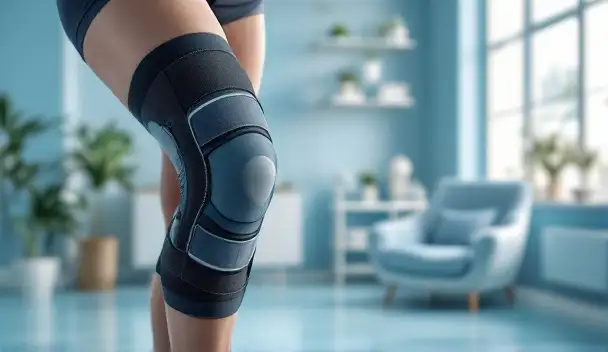
Biomechanical aids such as knee braces, footwear modifications, insoles, and gait aids can reduce joint stress and improve alignment. These tools complement rehabilitation but are not a substitute for active exercises. Heat and cold therapies may alleviate pain and swelling.
Surgical Indications
Surgery, including partial or total knee replacement, is considered when conservative treatments fail or daily activities are significantly impaired. Pre-surgical physical therapy is advised to optimize postoperative recovery. Patient education and collaborative decision-making guide the timing of surgical intervention.
| Treatment Type | Examples | Clinical Benefits |
|---|---|---|
| Physical Therapy | Strengthening exercises, stretching | Improves stability, reduces pain, enhances mobility |
| Pharmacology | NSAIDs, acetaminophen, topical gels | Reduces pain and inflammation; caution due to side effects |
| Intra-articular Injections | Corticosteroids, hyaluronic acid, PRP | Short-term relief; joint lubrication; potential tissue healing |
| Assistive Devices | Braces, insoles, gait aids | Offloads joint, improves alignment, aids in pain reduction |
| Surgery | Knee replacement, arthroscopy | Addresses advanced disease; improves function when conservative methods fail |
Physiotherapy and Exercise: The Cornerstone of Knee Osteoarthritis Management

How do non-surgical interventions help manage osteoarthritis in the knee?
Non-surgical treatments play a vital role in managing knee osteoarthritis by reducing pain, improving joint function, and potentially slowing disease progression. Exercise therapy is central to this approach.
Role of Exercise Therapy
Exercise programs tailored to individuals focus on increasing joint flexibility and muscle strength. Strengthening the muscles around the knee, particularly the quadriceps, supports the joint, helping to reduce stress on damaged cartilage.
Muscle Strengthening and Joint Stability
Targeted exercises, such as straight leg raises and wall squats, improve muscular strength, which enhances joint stability and lowers discomfort. Better joint stability reduces the risk of further injury and helps maintain mobility.
Weight Management Benefits
Weight loss is highly recommended alongside exercise therapy since every pound lost decreases the mechanical load on the knee joint. Reducing stress on the joint not only alleviates pain but may also slow osteoarthritis progression.
Rehabilitation Exercises
Physical therapy includes rehabilitation exercises that promote muscle balance and endurance. These exercises, combined with biomechanical aids like braces and insoles, provide symptom relief and improved movement.
Overall, physiotherapy and exercise form the foundation of an effective, individualized non-surgical management plan for knee osteoarthritis, often leading to significant improvements in pain and function without the need for surgery.
Pharmacological Approaches and Their Role in Symptom Relief
What are the benefits and risks of NSAIDs?
Nonsteroidal anti-inflammatory drugs (NSAIDs) are commonly used for pain relief in knee osteoarthritis. They reduce inflammation and alleviate pain, improving mobility. NSAIDs can be administered orally or topically; topical forms such as diclofenac gel provide localized relief with fewer systemic side effects. However, oral NSAIDs carry risks including gastrointestinal bleeding and cardiovascular complications, especially with long-term use.
How is acetaminophen used in knee osteoarthritis treatment?
Acetaminophen is often used as a first-line medication for managing mild to moderate knee pain. It helps reduce pain but lacks anti-inflammatory effects. Its safety profile is generally favorable when used at recommended doses, making it suitable for patients who cannot tolerate NSAIDs.
What are the roles of topical analgesics?
Topical analgesics, including NSAID gels and capsaicin creams, offer targeted pain relief with minimal systemic exposure. These agents can reduce localized inflammation and discomfort, supporting physical activity and physical therapy efforts. They are especially useful in patients with contraindications to oral medications.
How do corticosteroid injections benefit patients?
Intra-articular corticosteroid injections provide short-term relief by reducing joint inflammation during flare-ups of knee osteoarthritis. These injections can decrease swelling and pain, allowing improved joint function. However, their effect is temporary and repeated use may be limited due to potential cartilage damage.
The integration of these pharmacological options allows tailored approaches to symptom management in knee osteoarthritis, balancing efficacy and safety considerations.
Intra-Articular Injections: Corticosteroids and Hyaluronic Acid Explained
What role do corticosteroid and hyaluronic acid injections play in treating knee osteoarthritis?
Corticosteroid injections are widely used to reduce inflammation and provide short-term pain relief in knee osteoarthritis. They are particularly effective during acute inflammatory episodes, helping patients quickly manage swelling and discomfort. However, repeated corticosteroid use may accelerate cartilage deterioration and worsen joint structural damage, potentially increasing the risk of osteoarthritis progression.
Hyaluronic acid injections, on the other hand, act as joint lubricants. They improve joint mobility and may slow osteoarthritis progression by enhancing the viscosity of synovial fluid, which cushions the joint surfaces. Some studies report that hyaluronic acid results in less cartilage and subchondral bone deterioration over time compared to corticosteroids.
How do corticosteroids and hyaluronic acid affect cartilage and pain relief duration?
Corticosteroids can impair the cartilage’s natural repair mechanisms, contributing to potential cartilage damage with frequent use. Their pain relief tends to be rapid but relatively short-lived. Conversely, hyaluronic acid injections take longer to become effective—often several weeks—but their benefits may last longer, offering more sustained symptom relief.
What is the injections' role within the overall treatment strategy for knee osteoarthritis?
While corticosteroid injections provide quick symptom relief, they are generally used cautiously due to possible adverse effects on joint structures. Hyaluronic acid injections and physical therapy are typically preferred for maintaining long-term joint health and function. Physical therapy, including muscle strengthening and biomechanical supports, has demonstrated comparable or superior benefits in reducing pain and improving joint stability without the risks associated with injections.
Injection therapies are often part of a comprehensive, personalized approach to managing knee osteoarthritis—used in combination with lifestyle modifications like weight loss and exercise. Patient education and shared decision-making remain crucial when considering these treatments to balance symptom control with joint preservation.
Biomechanical Interventions and Assistive Devices: Supporting Knee Mechanics
What Role Do Knee Braces Play in Managing Knee Conditions?
Knee braces provide external support and stability, helping to realign the joint and reduce stress on damaged structures. They are particularly useful in treating common knee overuse conditions and osteoarthritis. While not a substitute for active rehabilitation, braces can alleviate pain by decreasing friction and improving joint mechanics.
How Do Footwear Modifications and Insoles Help?
Proper footwear and insoles help modify the biomechanics of the foot and knee during walking, which can affect symptoms and progression of knee osteoarthritis. For example, shoe inserts may distribute load more evenly or correct abnormal gait patterns, reducing pressure on affected knee compartments. Though lateral wedge insoles are commonly used, evidence does not strongly support their use for medial compartment osteoarthritis.
What Are Gait Aids and Their Benefits?
Gait aids like canes or walkers assist in reducing joint stress by offloading weight from the knee during movement. This can decrease pain and improve mobility, especially in individuals with moderate to severe knee osteoarthritis.
What Clinical Benefits Do These Biomechanical Interventions Provide?
These devices collectively improve joint stability, reduce pain, and can slow symptom progression. When combined with exercise and physical therapy, they contribute to better functional outcomes and quality of life for patients managing knee osteoarthritis or overuse injuries.
| Intervention | Purpose | Clinical Effect |
|---|---|---|
| Knee braces | Support, alignment, reduce friction | Improved stability, pain relief |
| Footwear/insoles | Modify load, correct gait | Symptom reduction, slowed progression |
| Gait aids | Offload weight during walking | Reduced joint stress, enhanced mobility |
Biomechanical aids are valuable components of non-surgical management for knee disorders, offering symptom relief and functional support alongside other treatments.
Advanced Therapies and Emerging Non-Surgical Options
What electrotherapy modalities are used in knee osteoarthritis treatment?
Electrotherapy includes a range of methods such as pulsed electrical stimulation, interferential current (IFC), high-frequency transcutaneous electrical nerve stimulation (h-TENS), and neuromuscular electrical stimulation (NMES). These modalities help reduce pain and muscle spasms while improving blood circulation and joint range of motion. Their non-invasive nature makes them a valuable adjunct to other conservative treatments.
How does diathermy aid in managing knee pain?
Diathermy uses short-wave or microwave heat therapy to enhance tissue vascularization and cellular activity. This process can decrease synovial thickening—a common issue in knee osteoarthritis—thus alleviating discomfort and improving joint function. The localized heat also helps relieve stiffness, making movement less painful.
What is the role of genicular nerve block in knee osteoarthritis?
Genicular nerve block (GNB) is an emerging pain management technique targeting the nerves that supply the knee. By interrupting pain signals, GNB reduces discomfort and improves joint function. This method shows promise, especially for patients who have not responded well to traditional treatments.
How do platelet-rich plasma (PRP) injections support knee joint health?
PRP injections utilize the patient's own blood, concentrating growth factors to promote cartilage regeneration and modulate inflammation. They are considered a regenerative medicine option and may provide longer-lasting symptom relief compared to corticosteroids. However, clinical outcomes can vary depending on the severity of joint damage.
What should be considered regarding prolotherapy for knee conditions?
Prolotherapy involves injecting hypertonic dextrose to stimulate healing. While it aims to reduce symptoms by promoting tissue repair, the evidence for its effectiveness is limited, and it is not widely recommended in mainstream practice. Patients should consult healthcare providers for personalized advice.
| Therapy Type | Mechanism of Action | Benefits | Considerations |
|---|---|---|---|
| Electrotherapy | Electrical impulses reduce pain and muscle spasm | Pain relief, improved circulation | Typically adjunctive therapy |
| Diathermy | Heat increases blood flow and cellular activity | Reduces synovial thickness, eases stiffness | Requires equipment and specialist |
| Genicular Nerve Block | Nerve signal interruption | Pain reduction, improved function | Emerging technique, limited data |
| PRP Injections | Growth factors stimulate tissue healing | Cartilage regeneration, long-term relief | Variable outcomes, not FDA-approved |
| Prolotherapy | Induces healing via hypertonic dextrose | Potential symptom relief | Limited evidence, not widely used |
Lifestyle Modifications: Weight Management, Activity Adaptation, and Self-Care

How does weight loss impact joint load?
Weight loss plays a crucial role in managing knee osteoarthritis by significantly reducing joint stress. Every pound of weight lost decreases the load on the knee joints, which can help alleviate pain and slow disease progression. It is often recommended alongside exercise therapy to improve overall joint function.
What are recommended low-impact exercises for knee health?
Low-impact exercises such as swimming, cycling, walking, and water aerobics are encouraged to manage knee osteoarthritis symptoms. These activities promote joint movement and muscle strengthening without placing excessive stress on the knees. They also help maintain flexibility and improve cardiovascular health.
How can activity modification support knee osteoarthritis management?
Modifying activities by avoiding high-impact movements—like running—and substituting them with gentler options helps reduce knee joint strain. Incorporating movement therapies such as tai chi and yoga can improve balance, flexibility, and muscle control, which supports joint stability and reduces pain.
What role do heat and cold therapies play in symptom relief?
Applying heat and cold to the affected knee can effectively reduce pain and swelling. Cold therapy, such as ice packs, helps decrease inflammation and numb soreness, while heat therapy relaxes muscles, increases blood flow, and reduces stiffness. Alternating between the two can offer combined benefits.
What topical treatments are available for knee osteoarthritis?
Topical applications like nonsteroidal anti-inflammatory drug (NSAID) gels—such as diclofenac—and capsaicin cream provide targeted pain relief with fewer systemic side effects. These treatments are convenient for localized symptoms and can be combined with other management strategies like physical therapy.
When Surgery Becomes Necessary: Timing and Considerations for Knee Replacement

When is knee replacement surgery recommended for osteoarthritis patients?
Knee replacement surgery is generally considered when conservative treatments no longer provide adequate symptom relief. This includes failure of exercise therapy, pharmacological measures such as NSAIDs, intra-articular injections, and weight management strategies.
Patients who experience severe, persistent pain that affects daily activities, along with symptoms such as joint swelling, instability, or pain at rest, may be candidates for surgery. Radiographic evidence of joint deformities or significant cartilage loss further supports the decision for knee replacement.
What factors influence the decision to undergo surgery?
Multiple factors affect surgical recommendations:
- Symptom persistence: Ongoing pain and functional limitations despite months of non-surgical treatment.
- Joint deformities: Visible misalignment or bone spurs on imaging affecting joint mechanics.
- Patient characteristics: Age, general health, activity level, and expectations.
- Speed of disease progression: Rapid worsening may prompt earlier intervention.
How effective is knee replacement surgery?
The surgery typically results in significant pain reduction and improved joint function for advanced osteoarthritis. Rehabilitation is essential for optimal recovery, and pre-surgical physical therapy can enhance outcomes. Modern techniques, including robotic-assisted surgery, may improve precision and recovery times.
What should patients consider before surgery?
Shared decision-making with healthcare providers is critical. Understanding the benefits, risks, recovery process, and realistic expectations helps patients choose the most appropriate pathway. Surgical intervention is often reserved for when nonoperative management cannot maintain an acceptable quality of life.
| Aspect | Details | Notes |
|---|---|---|
| Indications | Severe pain, joint deformity, failed conservative care | Based on symptoms and imaging findings |
| Symptom Persistence | Persistent pain and functional impairment | Usually after 3-4 months of conservative treatment |
| Decision Factors | Age, activity level, disease progression | Personalized approach required |
| Surgical Outcomes | Pain relief, improved mobility | Enhanced by rehabilitation and surgical technique |
Knee replacement remains a definitive solution for advanced osteoarthritis when conservative options fail to provide relief.
Patient Education and Shared Decision-Making: Keys to Successful Management
Why is patient education important in knee osteoarthritis management?
Patient education empowers individuals with knowledge about their condition, allowing them to understand symptoms, treatment options, and lifestyle adjustments. Educated patients are better equipped to participate actively in their care, which can improve adherence to therapies like exercise and weight loss.
What does shared decision-making involve?
Shared decision-making is a collaborative process between patients and healthcare providers. It involves discussing the benefits and risks of various treatments, considering patient preferences and values, and agreeing on a management plan tailored to the individual's needs. This approach fosters trust and improves satisfaction with care.
How is treatment personalized?
Personalization means customizing treatment strategies—such as physiotherapy, pharmacological options, injections, or bracing—based on the patient’s symptoms, severity of osteoarthritis, lifestyle, and goals. This ensures interventions are effective and align with patient expectations.
How can patients prepare for medical consultations?
To maximize the benefit of appointments, patients should document symptoms, prior treatments, medication lists, and any questions or concerns. This preparation enables focused discussions and better diagnosis and management.
Why is psychosocial support important?
Living with knee osteoarthritis can affect mental health and daily functioning. Psychosocial support and coping strategies, possibly including counseling or support groups, help patients manage emotional challenges and maintain quality of life during treatment.
Supporting Long-Term Recovery and Strength Maintenance After Non-Surgical Treatment
Why is ongoing exercise critical for knee recovery?
Regular, targeted exercise remains a cornerstone of managing knee conditions without surgery. Strengthening muscles around the knee, especially the quadriceps, enhances joint stability and helps reduce pain and stiffness. Exercises such as straight leg raises, wall sits, and step-ups build muscle support, protect cartilage, and improve overall function. Low-impact activities like swimming, cycling, and walking provide cardiovascular benefits without stressing the joint.
How should symptoms be monitored during recovery?
Patients should consistently track knee pain, swelling, stiffness, and mobility levels. Symptom monitoring helps determine if current treatments are effective or if adjustments are needed. Changes such as increased discomfort, joint instability, or functional limitations could signal disease progression or the need for additional interventions.
When and how should treatment plans be adjusted?
Treatment modifications may include stepping up physical therapy intensity, incorporating new exercises, adding or changing medications such as topical NSAIDs, or considering injections like corticosteroids or PRP for flare-ups. Healthcare professionals and patients must engage in shared decision-making to tailor interventions based on symptom progression and lifestyle goals.
What is the role of rehabilitation in long-term knee management?
Rehabilitation programs deliver structured strength and flexibility training designed to restore function and reduce re-injury risk. Early and ongoing rehab improves muscular coordination, joint alignment, and movement patterns. It also supports the safe resumption of daily activities and exercise routines, ultimately promoting sustained joint health.
How can deterioration of the knee joint be prevented?
In addition to exercise and rehab, weight management plays a significant role—each pound lost decreases joint stress. Protective biomechanical aids like knee braces or insoles may improve joint positioning and reduce abnormal forces. Lifestyle adaptations such as avoiding high-impact activities and incorporating rest periods can also minimize wear and tear, preserving joint integrity over time.
By combining continuous exercise, vigilant symptom tracking, adaptable treatment, and comprehensive rehabilitation, patients can maintain knee strength and function, delaying or eliminating the need for surgery.
Achieving Lasting Knee Health Through Non-Surgical Means
Regaining strength after non-surgical knee treatment involves a multi-faceted approach, combining physical therapy, pharmacological management, biomechanical supports, and lifestyle changes. Non-surgical interventions not only alleviate pain and improve joint function but can also delay or even prevent the need for surgery when managed proactively. Patient involvement through education and shared decision-making ensures personalized care that addresses individual needs and goals. With diligent rehabilitation and self-care, many patients regain mobility and enjoy improved quality of life without surgical intervention.
References
- Current Non-surgical Management of Knee Osteoarthritis
- Nonsurgical Management of Knee Pain in Adults
- Non-Surgical Osteoarthritis Treatments
- Non Operative Care - Knee Treatment
- Osteoarthritis - Diagnosis & treatment
- Non-Surgical Treatment for Knee Pain
- Nonsurgical Treatments for Knee Pain
- Best Non-Surgical Treatments for Knee Pain