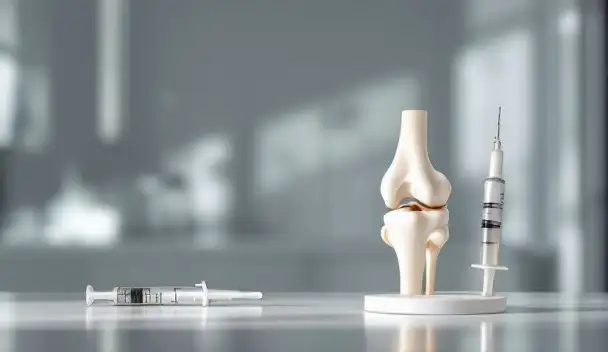
The Shift Towards Non-Surgical Knee Care
Knee osteoarthritis (OA) affects millions and presents a growing challenge as the population ages. Traditional knee replacement surgery, while effective, is invasive and not suitable for everyone. Increasingly, patients and clinicians are turning to non-surgical solutions that manage symptoms, improve function, and delay or even avoid surgery. This article delves into why these conservative approaches are gaining traction, examining their effectiveness, innovations, and the vital role of rehabilitation.
Comprehensive Non-Surgical Treatments for Knee Pain
What Are the Most Effective Medical Treatments for Knee Pain?
Effective management of knee pain typically involves a combination of therapies aimed at relieving pain, improving joint function, and slowing disease progression.
Physical Therapy and Rehabilitation Benefits
Physical therapy plays a vital role by enhancing flexibility and strengthening muscles around the knee, such as the quadriceps and hamstrings. This support improves joint stability and mobility, reducing symptoms and enhancing quality of life. Rehabilitation exercises often include both land-based and water-based activities to limit joint stress.
Pain Medications Including NSAIDs and Acetaminophen
Over-the-counter medications, especially nonsteroidal anti-inflammatory drugs (NSAIDs) and acetaminophen, are frequently used to alleviate knee pain and inflammation. While effective for symptom relief, NSAIDs should be used cautiously as they carry risks like stomach irritation, increased blood pressure, and cardiovascular issues.
Intra-Articular Injections Such as Corticosteroids and Hyaluronic Acid
Corticosteroid injections provide short-term anti-inflammatory effects and symptom reduction but are limited to several treatments per year. Hyaluronic acid injections, known as viscosupplementation, aim to restore joint lubrication and may offer longer-lasting pain relief by improving cartilage function.
Lifestyle Modifications Including Weight Loss and Low-Impact Exercise
Lifestyle changes are crucial for managing knee osteoarthritis. Weight loss reduces mechanical load on the knee, significantly lessening pain and slowing cartilage damage. Low-impact exercises such as walking, cycling, and swimming help strengthen muscles without exacerbating joint stress.
Biomechanical Aids Like Knee Braces and Orthoses
Biomechanical supports including knee braces, orthoses, insoles, and gait aids can redistribute forces across the joint, decrease friction between bones, and stabilize the knee. These devices help reduce pain and may slow disease progression.
By integrating these non-surgical therapies, many patients experience meaningful relief from knee pain and improved functionality without immediate need for surgery.
Managing Osteoarthritis of the Knee: A Multifaceted Approach

Physical therapy and strengthening exercises
Physical therapy plays a crucial role in managing knee osteoarthritis by improving joint flexibility and muscle strength around the knee. Strengthening the quadriceps and hamstring muscles through low-impact exercises such as walking, cycling, and water-based workouts helps stabilize the joint, enhancing mobility and reducing pain. Stretching routines also support soft tissues, contributing to overall joint health.
Pharmacological options and topical treatments
Medications form an essential part of symptom management. Nonsteroidal anti-inflammatory drugs (NSAIDs), both oral and topical, reduce inflammation and alleviate pain. Acetaminophen is another common over-the-counter option for pain relief. However, long-term use of NSAIDs requires caution due to potential side effects like stomach irritation, increased blood pressure, and cardiovascular risks.
Intra-articular injections and their temporary benefits
Corticosteroid injections provide quick relief by reducing joint inflammation, typically effective for several months, with treatment frequency generally limited to three or four times per year. Hyaluronic acid injections, also known as viscosupplementation, help lubricate the knee joint, possibly offering longer-term pain relief and improved joint function. Both injections provide symptomatic relief but do not repair cartilage damage.
Biomechanical interventions for load modification
Devices such as knee braces, orthoses, gait aids, and insoles are employed to modify knee loading and realign the joint. Valgus knee braces, in particular, reduce pressure on affected compartments, potentially slowing disease progression and easing pain. Taping techniques can also assist in joint stabilization.
Emerging regenerative treatments like PRP and laser therapy
Regenerative therapies like platelet-rich plasma (PRP) injections utilize the patient’s own blood components rich in growth factors to promote tissue repair and have shown promising safety and efficacy in symptom reduction. Low-level laser therapy combined with exercise is another emerging method aimed at alleviating symptoms and stimulating healing. Though these treatments are innovative, more robust scientific data is needed to establish their long-term effectiveness.
Weight reduction impact on symptoms and disease progression
Weight loss is a highly effective non-surgical intervention, with a reduction of 5-10% body weight leading to significant decreases in knee pain and improved function. Reducing excess weight lowers mechanical stress on the knee joint, slowing cartilage deterioration and contributing to better disease management.
| Treatment Category | Examples | Benefits |
|---|---|---|
| Physical Therapy | Strength training, stretching | Improves muscle support, joint stability, and mobility |
| Pharmacological | NSAIDs, acetaminophen, topical agents | Pain relief, inflammation reduction |
| Intra-articular Injections | Corticosteroids, hyaluronic acid | Temporary pain relief, improved joint lubrication |
| Biomechanical Interventions | Knee braces, orthoses, gait aids | Reduces load on damaged compartments, slows disease progression |
| Regenerative Treatments | PRP injections, low-level laser therapy | Potential cartilage repair, symptom reduction (emerging evidence) |
| Lifestyle Modification | Weight loss, low-impact exercise | Decreases joint stress, improves function |
Comparing Non-Surgical and Surgical Approaches

How effective are non-surgical therapies in managing knee osteoarthritis symptoms?
Non-surgical treatments such as physical therapy, exercise, weight management, and various injections are foundational in managing knee OA. Physical therapy, including aquatic and telehealth-based exercises, effectively improves function and reduces pain, sometimes matching traditional therapy outcomes.
Weight loss—especially exceeding 10% of body weight—significantly lessens stress on knee joints, which reduces pain and slows disease progression. Additionally, intra-articular injections like corticosteroids and hyaluronic acid provide temporary to moderate-term pain relief, while platelet-rich plasma (PRP) injections may offer extended benefits by promoting tissue repair.
What are the advantages and limitations of injections and physical therapy?
Injections offer rapid symptom relief; corticosteroids reduce inflammation for several months but are generally limited to a few treatments annually due to side effects. Hyaluronic acid improves joint lubrication, potentially offering longer-lasting relief than steroids. PRP injections, a regenerative option, show promise but require more definitive evidence.
Physical therapy strengthens muscles around the knee, improves flexibility, and enhances joint stability. However, these methods do not repair cartilage loss. Both injections and therapy are best suited for mild to moderate osteoarthritis and may not suffice as the disease advances.
What role does weight management play in delaying surgery?
Losing weight reduces the mechanical load on the knee, which lessens pain and slows cartilage degradation. Combined with exercise, weight loss can improve mobility and overall quality of life, often postponing or even reducing the need for surgical intervention.
What surgical options exist for knee osteoarthritis?
Surgical approaches vary depending on disease severity and patient factors. Options include:
| Surgical Option | Patient Suitability | Purpose |
|---|---|---|
| Knee Arthroscopy | Selected younger patients with mild OA | Clean damaged tissue; less effective in moderate-to-severe cases |
| Osteotomy | Younger patients with joint misalignment | Realign knee to shift load away from damaged compartments |
| Partial Knee Replacement | Patients with localized cartilage loss | Replace one knee compartment while preserving others |
| Total Knee Replacement | Advanced bone-on-bone OA affecting daily activities | Replace entire knee joint for lasting relief and improved function |
When does surgery become necessary?
Surgery is generally considered when non-surgical treatments fail to provide relief and patients experience persistent, debilitating pain or severely limited mobility. Bone-on-bone degeneration confirmed via imaging and shared decision-making between patient and surgeon guide appropriate timing.
How does patient-centered treatment planning fit into the approach?
Personalized care plans incorporating patients’ preferences, symptoms, and lifestyle optimize outcomes. Non-surgical treatments remain essential and are often combined with surgical options when appropriate. Clinicians tailor interventions, balancing symptom relief, functional improvement, and long-term joint health in collaboration with patients.
Innovations in Non-Surgical Knee Pain Management

What is genicular artery embolization and how does it work?
Genicular artery embolization (GAE) is a minimally invasive procedure targeting knee osteoarthritis pain by blocking blood flow to inflamed areas in the knee’s synovium. This inflammation contributes significantly to pain and joint dysfunction. By selectively embolizing problematic blood vessels, GAE reduces inflammation and pain symptoms, often providing relief and improved mobility within weeks. It is a viable alternative for patients who are not candidates for or are deferring knee replacement surgery.
Are there advancements in gene therapy targeting inflammation?
Emerging gene therapies aim to tackle inflammation at the molecular level, such as delivering interleukin-1 receptor antagonists (IL-1Ra) directly into the joint. These approaches seek to modulate inflammatory pathways that drive osteoarthritis progression and pain. Early clinical studies show safety and suggest beneficial effects on reducing inflammation and improving joint function, potentially offering longer-lasting symptom control without the side effects seen with systemic medications.
What progress has been made in cartilage regeneration research?
Research has identified small molecules that inhibit the aging-associated enzyme 15-PGDH, which plays a role in cartilage degradation. Animal model studies reveal that blocking 15-PGDH can stimulate cartilage regrowth and halt degeneration. Although still in preclinical stages, these findings hold promise for new therapies that can directly restore joint cartilage in osteoarthritis patients, possibly reducing the need for surgical intervention.
How does low-dose radiation therapy benefit knee osteoarthritis patients?
Low-dose radiation therapy has gained interest due to its ability to target inflammation and modulate immune responses within the joint environment. Clinical trials report reduced joint pain and improved function following treatment courses. This therapy may delay progression and the requirement for more invasive surgeries while being generally safe and well tolerated.
What novel regenerative treatments like PRP and stem cell therapy are being explored?
Platelet-rich plasma (PRP) injections utilize growth factors from a patient’s own blood to stimulate tissue repair and reduce inflammation, showing encouraging results in symptom relief. Similarly, stem cell therapy aims to regenerate damaged cartilage and improve joint health but remains investigational due to limited definitive evidence. Both treatments offer the prospect of enhancing natural healing processes with fewer side effects compared to conventional pharmacotherapy.
What are the limitations and future potential of these emerging approaches?
While promising, most innovative treatments—such as gene therapy, cartilage regeneration molecules, and stem cell interventions—are still in early clinical trials or preclinical stages. Their long-term efficacy and safety need further validation. Procedures like GAE and low-dose radiation provide pain relief but do not fully reverse joint damage, and effects are generally temporary though repeat treatments are possible. Ongoing research and clinical trials will clarify these therapies’ roles, ideally integrating them into personalized, multimodal management strategies to improve quality of life for osteoarthritis sufferers.
The Central Role of Physical Therapy and Rehabilitation

What role do physical therapy and rehabilitation play in the treatment of knee osteoarthritis?
Physical therapy and rehabilitation are essential components in managing knee osteoarthritis (OA). They focus primarily on reducing pain, enhancing joint mobility, and strengthening muscles that support the knee, particularly the quadriceps and hamstrings. These therapies rely on personalized exercise programs that include range-of-motion activities, muscle strengthening, and functional movement training to maintain or improve joint function.
Exercise types and benefits for knee OA
Low-impact exercises such as walking, cycling, and water-based activities are recommended for knee OA patients. These exercises help improve muscle strength without overloading the joint. Strengthening the muscles around the knee enhances joint stability and mobility, reducing pain and improving function.
Muscle strengthening impact on joint stability
Targeted strengthening of the quadriceps and hamstring muscles helps stabilize the knee joint, improving alignment and reducing stress on damaged cartilage. This support can slow disease progression and decrease symptoms related to instability and joint stress.
Education and self-management support
Physical therapy also incorporates education and self-management strategies, empowering patients to modify activities, manage weight, and use assistive devices effectively. These interventions promote long-term adherence to lifestyle changes that lower joint stress and improve outcomes.
Prevention of disease progression
Early and consistent rehabilitation can slow the deterioration of joint structures by optimizing biomechanics and muscle function. Gait retraining and biomechanical interventions recommended by therapists help reduce abnormal forces on the knee, thus potentially slowing osteoarthritis progression.
Cost-effectiveness and patient quality of life improvements
Rehabilitation not only improves physical function but also enhances quality of life by reducing pain and increasing mobility. Compared to pharmacological treatments or surgery, physical therapy is often more cost-effective and carries fewer risks, making it a preferred initial approach in most cases.
Non-surgical cornerstone in knee OA treatment
As a non-invasive, patient-centered approach, physical therapy serves as a cornerstone in the conservative management of knee OA. It helps many patients delay or avoid invasive procedures like joint replacement by managing symptoms and improving joint health effectively.
The Future of Knee Care: Embracing Non-Surgical Solutions
The growing interest in non-surgical treatments for knee osteoarthritis reflects advances in medical understanding and patient desire for less invasive options. Combining lifestyle changes, targeted physical therapy, and innovative minimally invasive procedures allows many to manage pain effectively and maintain mobility without immediate surgery. While surgical interventions remain indispensable for advanced disease, personalized, coordinated care integrating these diverse therapies promises to improve outcomes and quality of life for millions. As research evolves, non-surgical knee solutions will likely become even more central to arthritis management, offering hope for durable relief with reduced risks.
References
- Current Non-surgical Management of Knee Osteoarthritis
- Knee Replacement Alternatives to Consider
- New Treatment for Osteoarthritis of the Knee
- Nonsurgical Treatments for Knee Pain
- Non-Surgical Options for Knee Pain - Relief Without Surgery
- The Truth About “Alternatives” to Knee Surgery, And Why ...
- Hip and Knee Arthritis: Non-surgical and Surgical Treatment
- Alternative Therapies for Joint Pain: Non-Surgical Treatments
- Non-operative treatment options for knee osteoarthritis
- Knee pain - Diagnosis and treatment