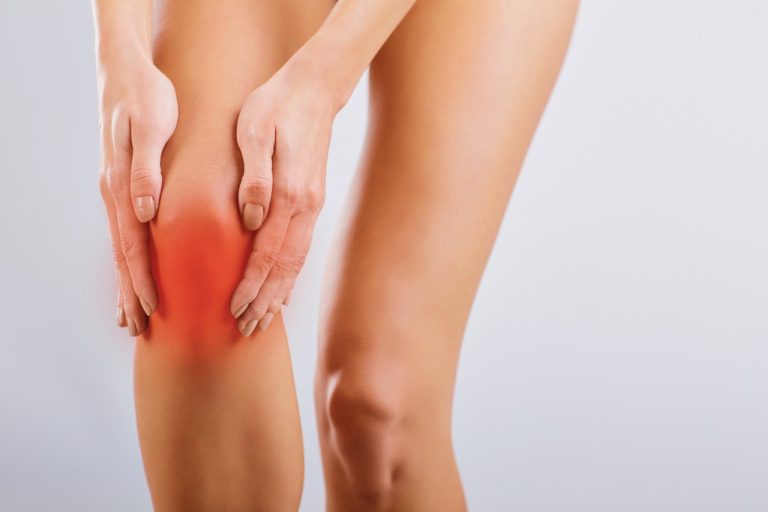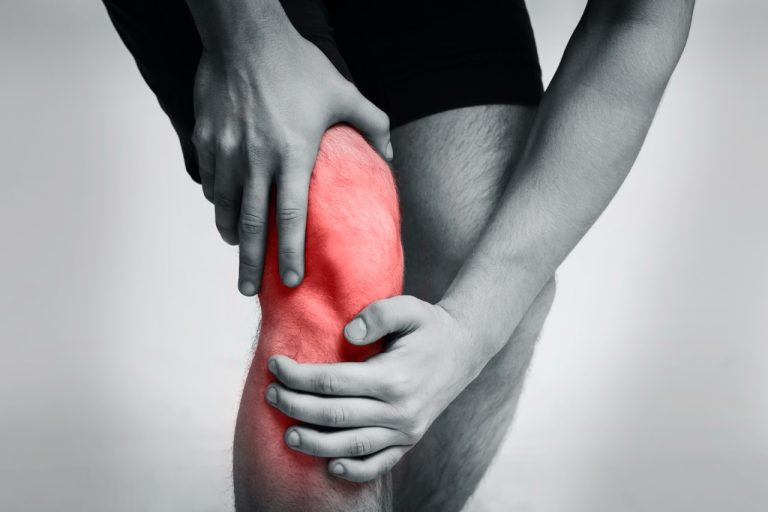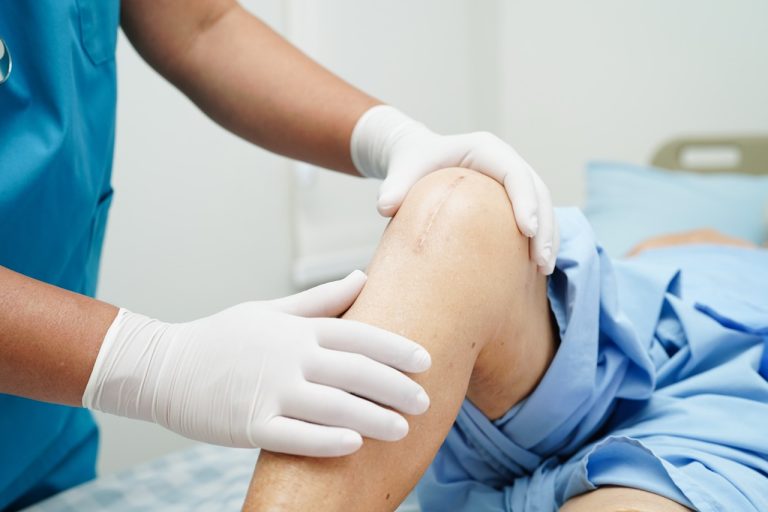
Why Rest Alone May Not Fix Chronic Knee Pain
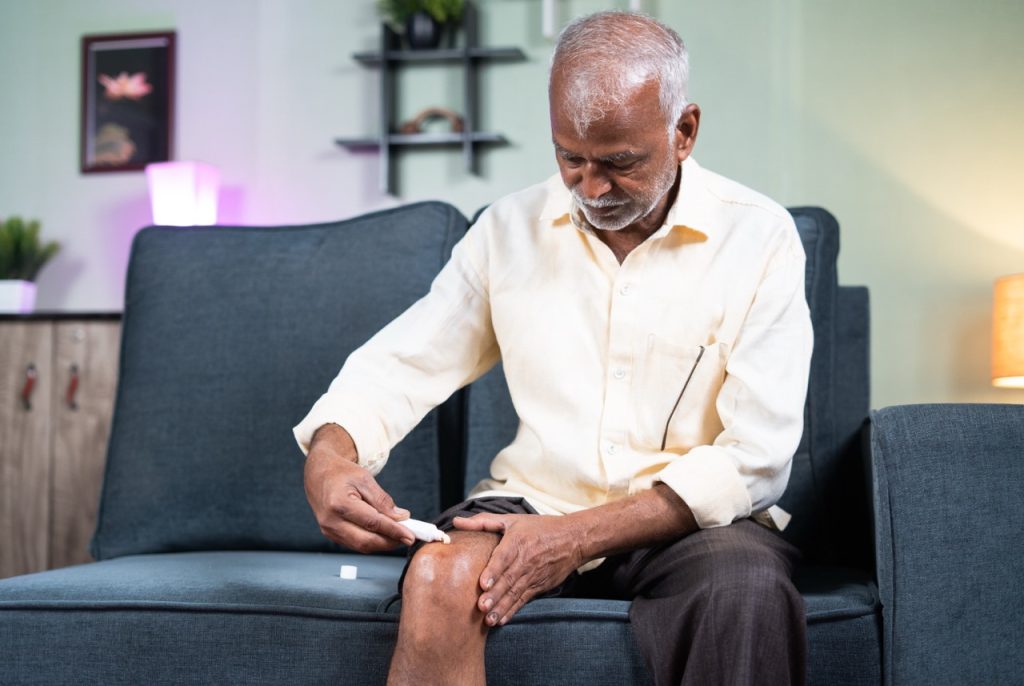
When joint discomfort strikes, many people try to kick their feet up and wait for it to improve. For short-term soreness after a strenuous workout, a little downtime can be incredibly beneficial. However, if you are looking to permanently fix chronic knee pain that keeps returning or lasts for weeks at a time, rest alone may not be enough.
Persistent joint distress often signals an underlying structural issue rather than temporary fatigue. For many adults, the root source of this ongoing discomfort stems from conditions like knee osteoarthritis, chronic tissue inflammation, cartilage degradation, or joint capsule irritation. If the true origin of your symptoms is left unaddressed, the cycle will continue to disrupt your ability to walk, navigate stairs, get a restful night’s sleep, and manage daily responsibilities.
Rest Can Only Help Temporarily
Taking a break from physical activity reduces mechanical pressure on the joint for a short time. If you overdid it with intense yard work, started a demanding exercise routine, or spent a grueling day on your feet, resting your legs will naturally calm immediate inflammation.
However, temporary relief does not mean the underlying structural problem has vanished. If deep discomfort immediately flares up every time you attempt to return to your normal routine, you need a comprehensive solution to fix chronic knee pain rather than relying on temporary quick fixes.
Why Is Ongoing Joint Discomfort Different?
Chronic joint soreness is defined as pain that lasts, returns frequently, or alters how you move throughout your day. You might notice a sharp twinge or dull ache while walking, standing, climbing stairs, or simply getting up from a low chair. This is often accompanied by localized stiffness, visible swelling, or a reduced range of motion.
When pain becomes a permanent part of your life, it is typically a sign of a progressive condition like knee osteoarthritis. In these instances, sitting on the sidelines might briefly mask the symptoms, but it does nothing to stop the progressive joint changes causing the problem. To truly fix chronic knee pain, the treatment must target the mechanical wear-and-tear within the joint capsule.
Too Much Rest Can Create New Problems
While taking a day or two off can be helpful, avoiding physical movement for extended periods can backfire. The major muscle groups surrounding your legs—especially your quadriceps and hamstrings—play a massive role in absorbing impact and stabilizing your joint structures.
When your activity levels sharply decrease, those supporting muscles rapidly weaken and atrophy. Deconditioned muscles are far less capable of handling shock, which forces your vulnerable joint to absorb even more weight. This creates a frustrating physical cycle:
- Pain forces you to rest.
- Rest leads to muscle weakness.
- Weakness places more stress on the joint, triggering even more pain.
Breaking this downward spiral is essential if you want to protect your long-term mobility and independence. (Tip: To learn more about maintaining your physical function, read our comprehensive guide on [insert internal link to an existing blog post about joint exercises or arthritis management here]).
Knee Osteoarthritis and Activity Avoidance
Because degenerative joint conditions make physical movement uncomfortable, many individuals naturally begin altering their daily habits to cope. You might find yourself stopping your daily walks, actively planning your route to avoid staircases, or skipping social events that require prolonged standing.
Over time, this sedentary shift affects much more than your legs. A lack of regular movement can negatively impact your balance, cardiovascular endurance, circulation, mood, and overall metabolic health. This is why finding an proactive medical strategy to fix chronic knee pain matters for your entire quality of life.
Clear Signs That Rest Is Not Enough
According to leading medical guidelines on degenerative joint preservation, early intervention is critical to avoiding long-term mobility limitations. You should consider booking a professional consultation if your symptoms are paired with any of the following warning signs:
- Pain consistently returns the moment you become active again
- Severe stiffness sets in immediately after sitting or sleeping
- Your joint swells or feels tight after brief walking or standing
- Navigating a staircase is becoming a daily physical dread
- Persistent discomfort actively disrupts your sleep quality
- You are modifying your life or avoiding activities you love
- Over-the-counter medications and downtime no longer provide relief
- Your leg feels weak, unstable, or like it might buckle underneath you
Why a Professional Evaluation Matters
A dedicated clinical evaluation is the only way to accurately pinpoint the true cause of your symptoms. During an exam, your provider can review your medical history, evaluate your current range of motion, assess your gait, and determine whether osteoarthritis or a hidden soft-tissue injury is responsible for your discomfort.
Understanding the precise state of your joint cartilage allows you to make informed, highly targeted decisions about your health, putting you on the right path to fix chronic knee pain.
Exploring Nonsurgical Treatment Options
Many patients suffering from ongoing joint degeneration are eager to avoid or delay invasive total knee replacement surgeries. Fortunately, advanced medical treatments are widely available that do not require spending weeks in a hospital or undergoing major surgery.
At Knee Pain Centers of America, we introduce patients to innovative, nonsurgical treatment pathways specifically designed for knee osteoarthritis. These modern therapies focus on managing localized inflammation, restoring internal joint lubrication, and helping you return to your active lifestyle with renewed confidence.
Do Not Wait for Pain to Take Over Your Life
While taking it easy might help handle occasional muscle soreness, chronic joint problems require a focused solution. If you are ready to fix chronic knee pain and reclaim your daily independence, you do not have to wait for the discomfort to become unbearable.
Contact Knee Pain Centers of America today to schedule your consultation and find out if our advanced, nonsurgical treatments are right for you.