How Knee Pain Can Affect Your Hips, Back, and Feet
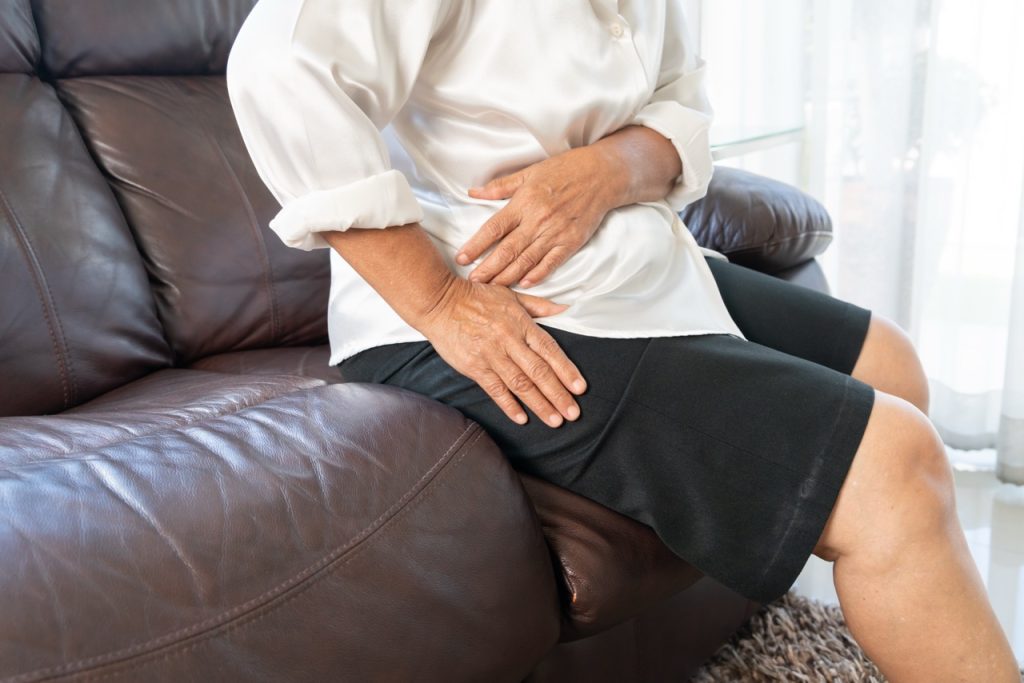
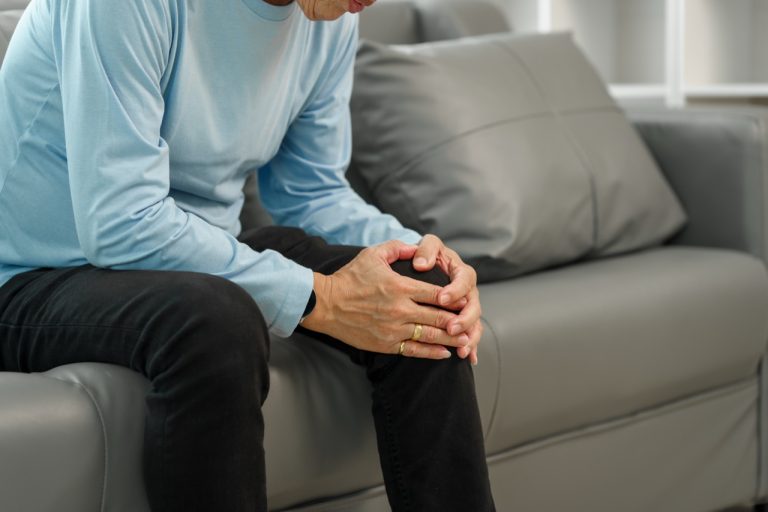
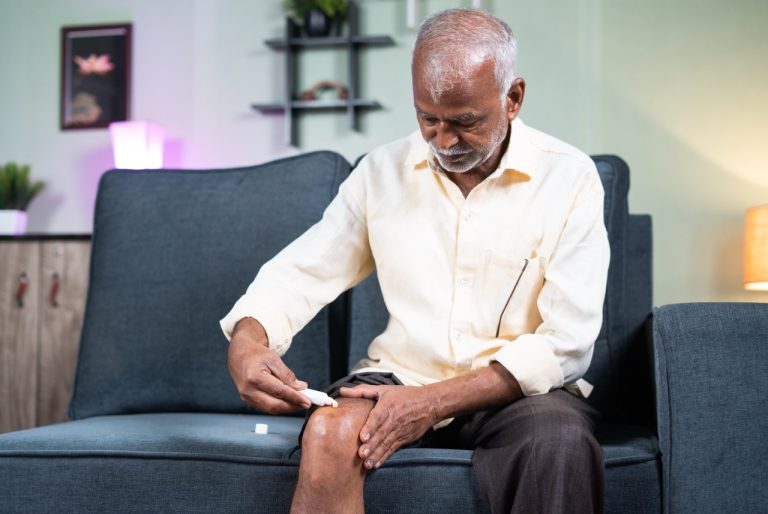
Knee pain does not always stay in the knee. When your knee hurts, your body naturally changes how it moves to avoid discomfort. Over time, those changes can place extra stress on the hips, lower back, ankles, and feet.
If knee pain is changing the way you walk or causing discomfort in other areas, it may be time to get evaluated.
Why Knee Pain Changes Movement
The knee plays an important role in standing, walking, turning, bending, and climbing stairs. When the joint is painful, stiff, swollen, or unstable, your body may try to protect it.
You may limp, shorten your stride, shift weight to one side, or avoid bending the painful knee. These changes may reduce knee pain temporarily, but they can create stress elsewhere.
Knee Osteoarthritis and Compensation
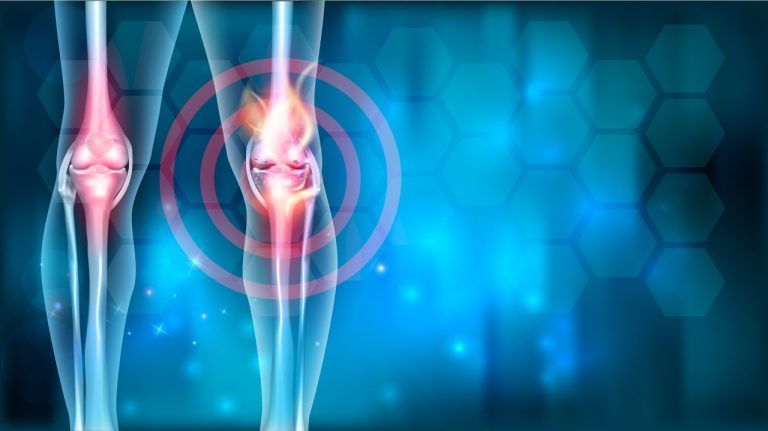
Knee osteoarthritis is a common cause of chronic knee pain. It occurs when cartilage inside the knee joint becomes worn or damaged. As the joint changes, symptoms may include pain, stiffness, swelling, and reduced mobility.
When osteoarthritis makes walking painful, patients often compensate without realizing it. This can affect posture, balance, and how weight moves through the body.
How Knee Pain Can Affect the Hips
If one knee hurts more than the other, you may shift weight to the opposite side. This can place extra demand on the hip muscles and joints. Over time, the hips may feel sore, tight, or fatigued.
Hip discomfort may become more noticeable after walking, standing, or climbing stairs.
How Knee Pain Can Affect the Back
Walking differently can also affect the lower back. A limp or uneven stride may change posture and spinal alignment during movement. This may lead to back tightness, aching, or fatigue.
If knee pain causes you to move less, reduced activity can also contribute to stiffness and weakness that affects the back.
How Knee Pain Can Affect the Feet and Ankles
Your feet and ankles help absorb force with each step. When knee pain changes your walking pattern, pressure may shift through the foot differently. This may cause soreness in the feet, ankles, arches, or heels.
Some patients also notice that they wear down one shoe faster than the other, which may be a sign of uneven movement.
Why Treating the Knee Matters
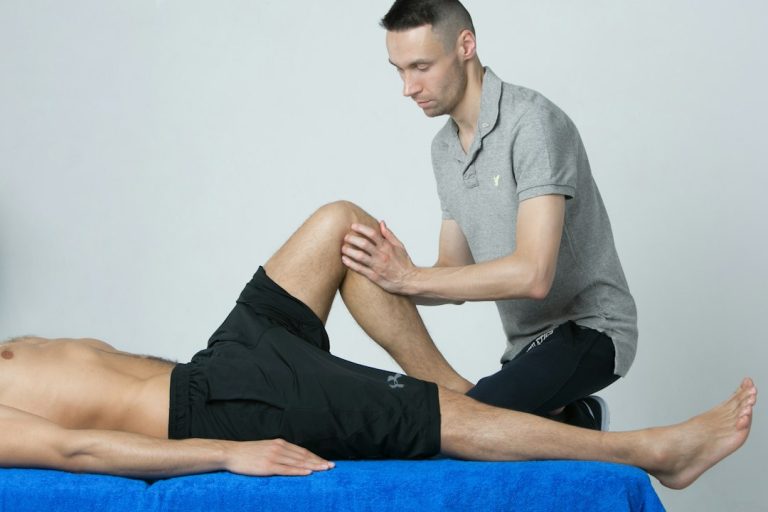
If the knee is the source of movement changes, focusing only on the hip, back, or foot may not solve the problem. A knee pain evaluation can help determine whether osteoarthritis or another knee condition is contributing to symptoms throughout the body.
Addressing knee pain may help support better movement and reduce compensation.
When to Seek Care
Consider scheduling a consultation if:
- Knee pain changes the way you walk
- You limp or favor one side
- Your hips or back hurt after walking
- Your feet feel sore because of altered movement
- Stairs are becoming difficult
- Your knee feels unstable
- Pain affects daily activities
- You have been diagnosed with knee osteoarthritis
A consultation can help you understand what is happening and what treatment options may be available.
Nonsurgical Knee Pain Treatment
At Knee Pain Centers of America, patients can explore nonsurgical treatment options for knee osteoarthritis. The goal is to help patients reduce pain, improve comfort, and move with more confidence.
If knee pain is affecting more than your knee, schedule a consultation to learn more.