How Knee Arthritis Can Affect Your Independence
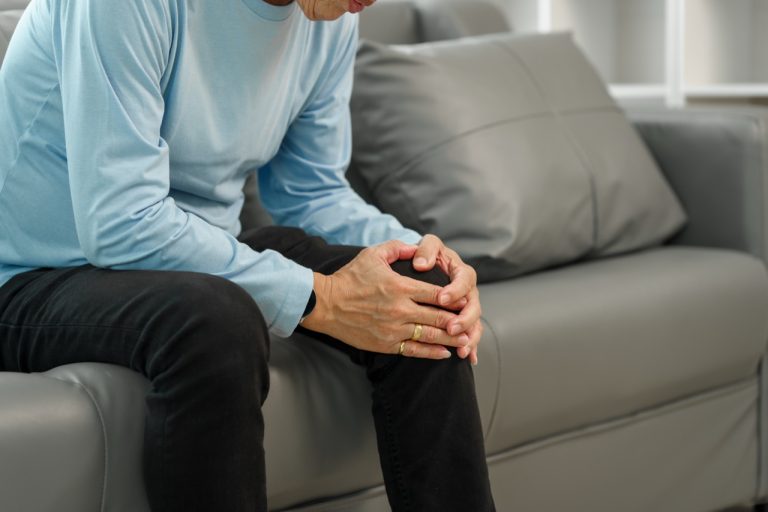
Knee arthritis does more than cause pain. It can slowly affect your independence, confidence, and ability to manage daily life. At first, you may notice discomfort during stairs or stiffness after sitting. Over time, knee pain may begin influencing where you go, what you do, and how much help you need.
If knee arthritis is making everyday tasks harder, it may be time to seek care and learn about your treatment options.
Knee Arthritis Can Change Daily Routines
The knees are involved in many basic movements. Walking, standing, bending, getting in and out of a car, climbing stairs, and rising from a chair all require knee strength and flexibility.
When arthritis causes pain, stiffness, or swelling, these activities can become more difficult. You may need more time to complete tasks or find yourself avoiding activities that once felt simple.
Common Ways Independence Is Affected
Knee arthritis may affect independence by making it harder to:
- Walk through a grocery store
- Climb stairs at home
- Stand while cooking
- Carry laundry or groceries
- Attend family events
- Travel comfortably
- Exercise or stay active
- Get in and out of a vehicle
- Complete work responsibilities
- Enjoy hobbies
These changes can feel frustrating, especially for patients who are used to being active and self-sufficient.
Why Knee Osteoarthritis Causes These Problems
Knee osteoarthritis happens when cartilage in the knee joint becomes worn or damaged. Cartilage helps cushion the bones and allows smooth movement. When the cartilage changes, the joint may become painful, inflamed, stiff, and less flexible.
As symptoms progress, the knee may not feel as reliable. Some patients worry about falling, losing balance, or not being able to walk as far as they need to.
Reduced Activity Can Lead to More Limitations
When movement hurts, it is natural to do less. However, reduced activity can weaken the muscles that support the knee. Weaker muscles can make the joint feel less stable and may make daily movement harder.
This can create a cycle where knee pain reduces activity, reduced activity causes weakness, and weakness leads to more discomfort.
The Emotional Side of Losing Independence
Knee arthritis can affect more than physical movement. Patients may feel discouraged when they need help with tasks they used to do on their own. They may avoid social events because they are worried about stairs, parking, or walking distance.
This can lead to frustration, isolation, and anxiety about the future. Getting evaluated can help patients better understand their condition and options.
When to Seek Care
You should consider a knee pain consultation if arthritis symptoms are affecting your independence. Signs may include:
- Avoiding errands because of knee pain
- Needing help with daily tasks
- Using stairs less often
- Feeling unsteady while walking
- Taking more breaks than usual
- Worrying about falling
- Pain that limits work or family activities
- Medication or rest no longer helping enough
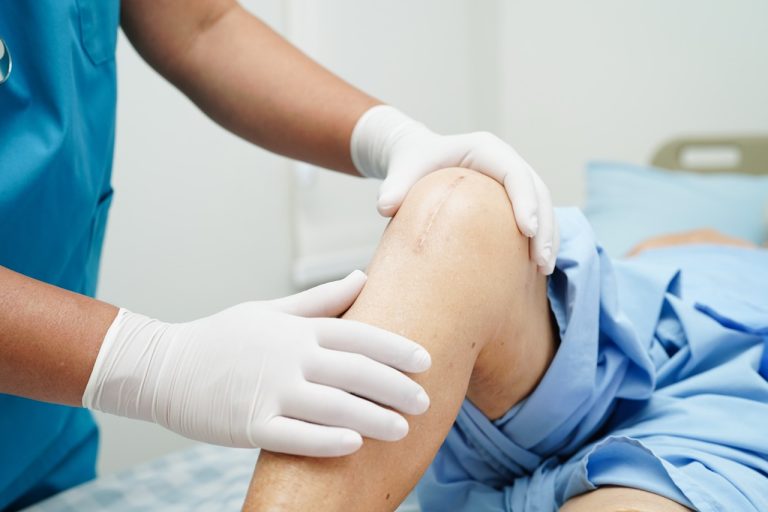
A consultation can help identify the cause of your symptoms and whether nonsurgical care may be appropriate.
Explore Nonsurgical Knee Pain Treatment
At Knee Pain Centers of America, patients can explore nonsurgical treatment options for knee osteoarthritis. The goal is to help patients reduce pain, improve comfort, and move through daily life with more confidence.
If knee arthritis is affecting your independence, schedule a consultation to learn more about your options.