How Chronic Knee Pain Can Affect Posture
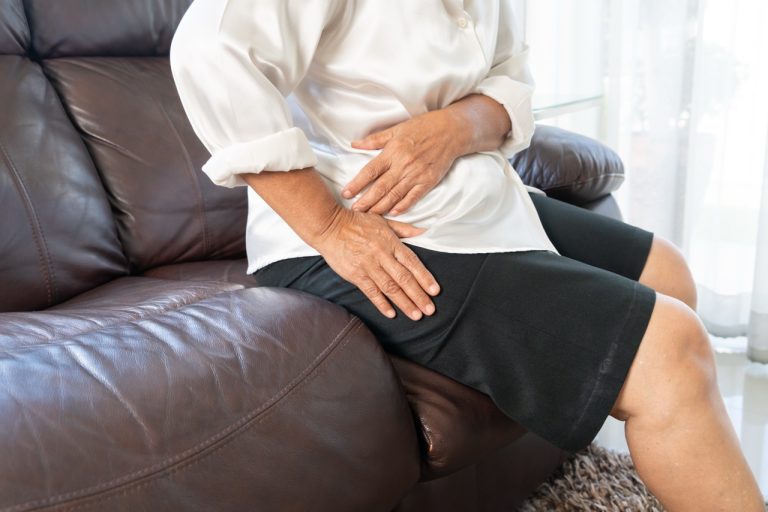
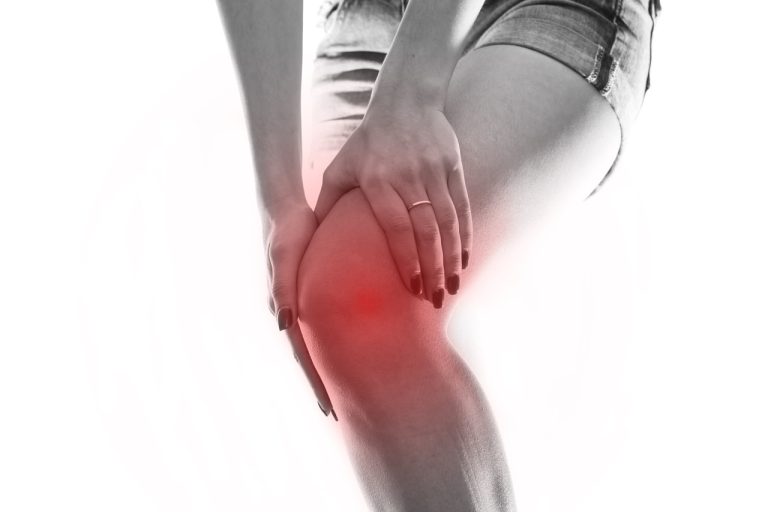
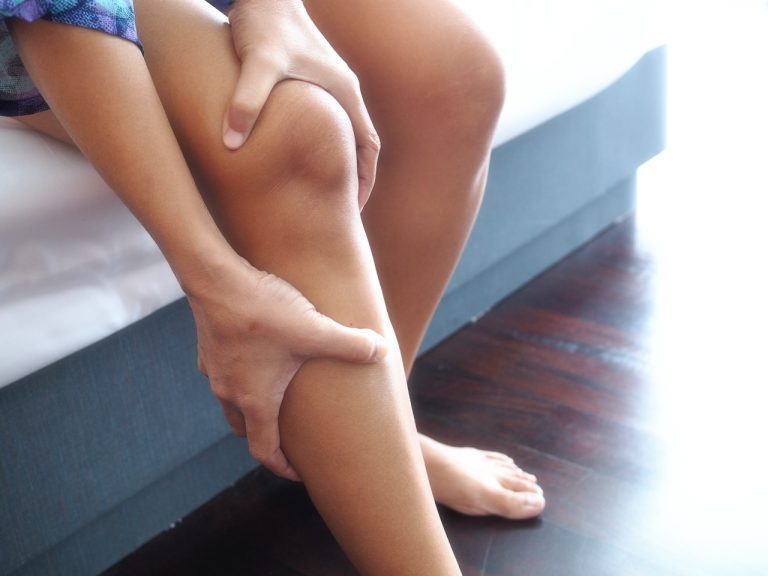
Chronic knee pain does not only affect the knee. Over time, it can change the way you stand, walk, sit, and move. These changes may affect posture, balance, and comfort in other areas of the body.
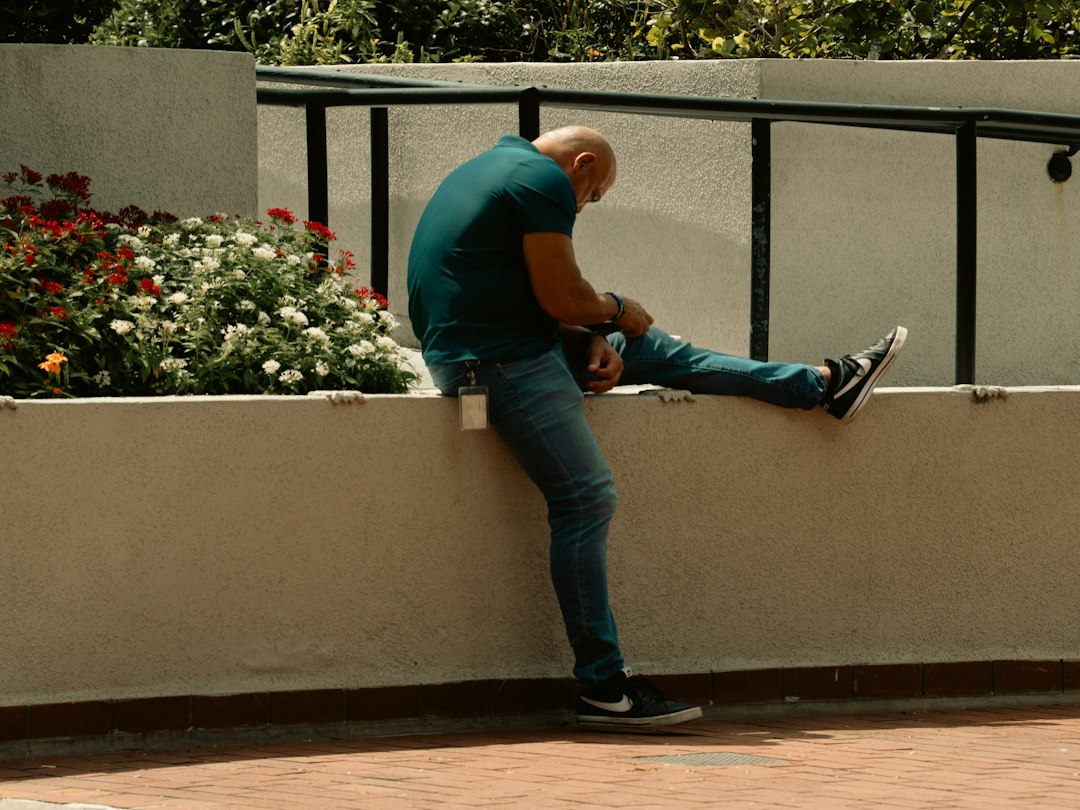
Many patients do not realize they are adjusting their posture because of knee pain. They may lean to one side, shift weight off the painful knee, shorten their stride, or avoid bending the knee fully. While these changes may reduce pain temporarily, they can create new problems over time.
Why Knee Pain Changes Movement
When a knee hurts, the body naturally tries to protect it. You may put more weight on the other leg, walk with a limp, or hold your body differently when standing. These movement changes are called compensations.
Compensation can be helpful in the short term, but if it continues, it may affect posture and mobility.
Knee Osteoarthritis and Walking Changes
Knee osteoarthritis occurs when cartilage inside the knee joint becomes worn or damaged. This can cause pain, stiffness, swelling, weakness, and reduced range of motion. These symptoms can make walking feel less smooth.
Patients with knee osteoarthritis may avoid fully straightening or bending the knee. This can change the way the hips, back, feet, and ankles move.
How Posture May Be Affected
Chronic knee pain can lead to leaning away from the painful knee, standing unevenly, taking shorter steps, bending slightly forward, favoring one side, holding tension in the hips or back, avoiding full knee movement, or using stairs differently.
These changes can become habits if knee pain continues.
Pain in Other Areas
When posture and walking patterns change, other parts of the body may take on more stress. Patients may begin to feel discomfort in the hips, lower back, feet, ankles, or opposite knee.
This does not mean the knee is the only cause of those symptoms, but chronic knee pain can contribute to movement patterns that affect the whole body.
Reduced Confidence and Balance
Posture and balance are closely connected. If your knee feels painful or unstable, you may move more cautiously. You may hold railings, avoid uneven ground, or walk more slowly.
Over time, this can reduce confidence and make daily activities feel more difficult.
When to Seek Knee Pain Care
Consider scheduling a consultation if knee pain changes the way you walk, you notice limping or uneven posture, your knee feels weak or unstable, pain affects your hips, back, or feet, stairs are becoming difficult, or walking distance is decreasing.
Address the Source of Knee Pain
Improving posture often starts with understanding what is causing the knee pain. If arthritis, inflammation, or joint irritation is involved, treatment may help reduce discomfort and support better movement.
At Knee Pain Centers of America, patients can explore nonsurgical knee pain treatment for knee osteoarthritis. If chronic knee pain is changing how you stand or walk, schedule a consultation or find a location near you.