7 Quick Tips for Living With Knee Arthritis in Chicago
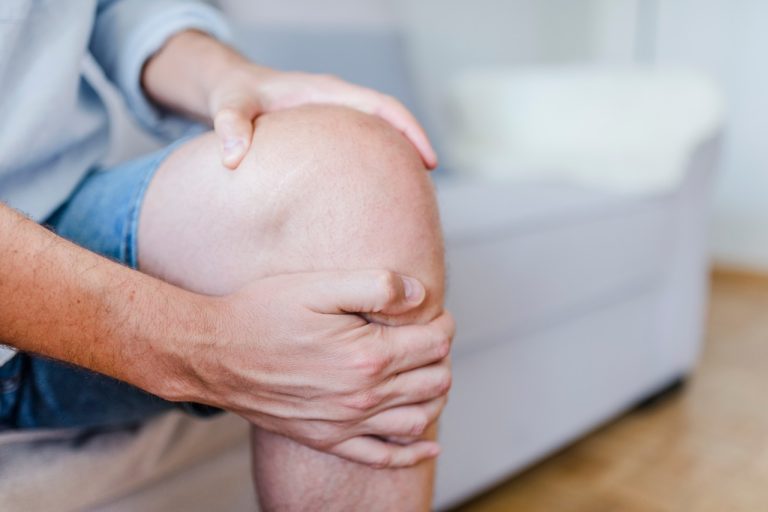
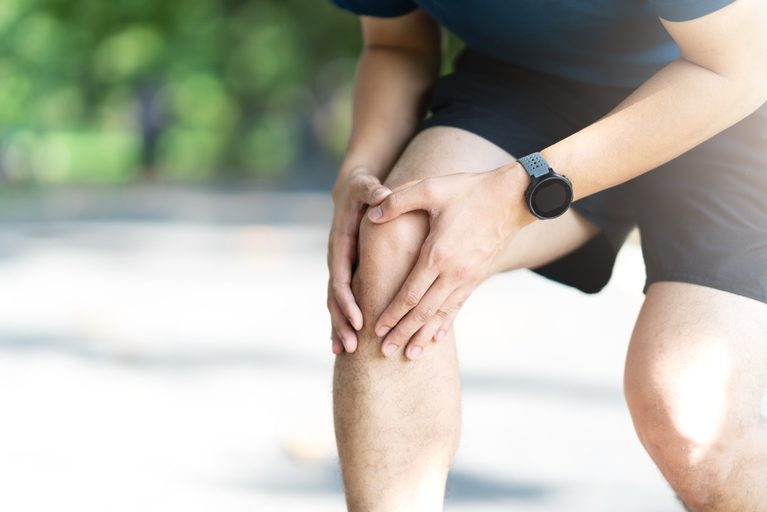
Living with knee arthritis in Chicago means stairs, long blocks, uneven sidewalks, and winters that make a stiff joint feel stiffer. Small daily habits will not reverse arthritis, but they can change how much it costs you.
Here are seven practical tips patients on the South Side tell us actually help.
1. Keep moving, but change how you move
Rest feels protective and usually is not. Joints that stop moving get stiffer, and the muscles supporting them weaken quickly.
Trade impact for steadiness instead of quitting altogether. Flat walking, stationary cycling, and pool sessions load the knee far less than running or jumping.
2. Take stairs one at a time, and lead with the right leg
Going up, lead with the stronger knee; coming down, lead with the sore one. The trailing leg does the controlling, which is the harder job.
Use the handrail without apology. Two-story walk-ups and CTA station stairs are where a lot of flare-ups start.
3. Warm up before you head out on a cold morning
Stiff joints do worse when the first thing they do is a cold sidewalk. Five minutes of gentle knee bends, ankle circles, and slow marching in place makes the first block easier.
In winter, add traction. Slipping is not just a fall risk; the sudden catch-and-brace motion irritates an already inflamed knee.

4. Check your shoes before you blame your knee
Worn-out soles change how force travels up your leg. If the outer heel of your shoe is ground down, your knee is absorbing the difference.
Look for cushioning and a stable heel counter. Flat, hard-soled shoes and worn walking sneakers are common, fixable culprits.
5. Strengthen the hip and thigh, not just the knee
The knee is caught between the hip and the ankle and pays for whatever they cannot do. Weak glutes and quadriceps leave the joint absorbing loads it was never meant to carry alone.
Simple options that most people can do at home:
- Sit-to-stand repetitions from a sturdy chair
- Straight-leg raises while lying down
- Standing side leg lifts, holding a counter
- Heel slides to keep range of motion
Ask a physician or physical therapist before starting anything new, especially if the knee swells afterward.
6. Track what makes it worse for two weeks
Patterns beat memory. Note the time of day, the activity, and a 1-to-10 pain number in your phone.
Two weeks of notes turns a vague complaint into something a physician can act on. It also shows whether the pain is slowly worsening or holding steady.
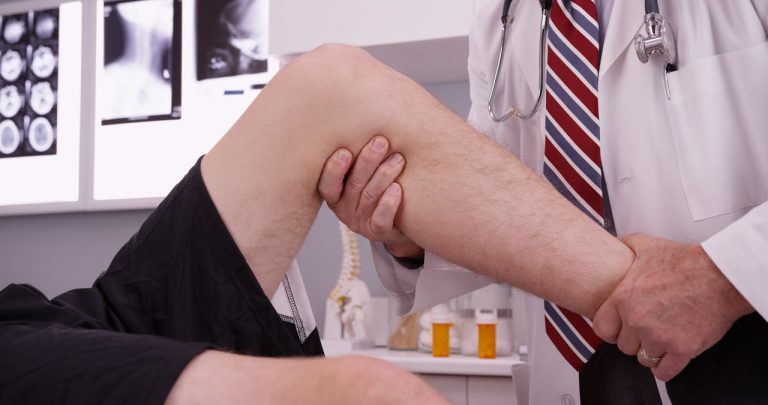
7. Get evaluated before pain rewrites your routine
The moment you start skipping things, it is time for an appointment. Avoiding the stairs, the grocery run, or the walk to church is how people quietly lose mobility.
Surgery is not the only next step either. There are nonsurgical treatment options worth understanding before you decide anything.
Where to get knee arthritis care in Chicago
Our Chicago office is at 8630 S. Pulaski Road, serving patients from Ashburn, Evergreen Park, Oak Lawn, Burbank, and Beverly. Hours and directions are on our Chicago location page.
If knee pain is shaping your day, call 877-7-MY-KNEE or visit our Contact page to schedule an evaluation.