What Patients Should Know About Knee Arthritis Flare-Ups
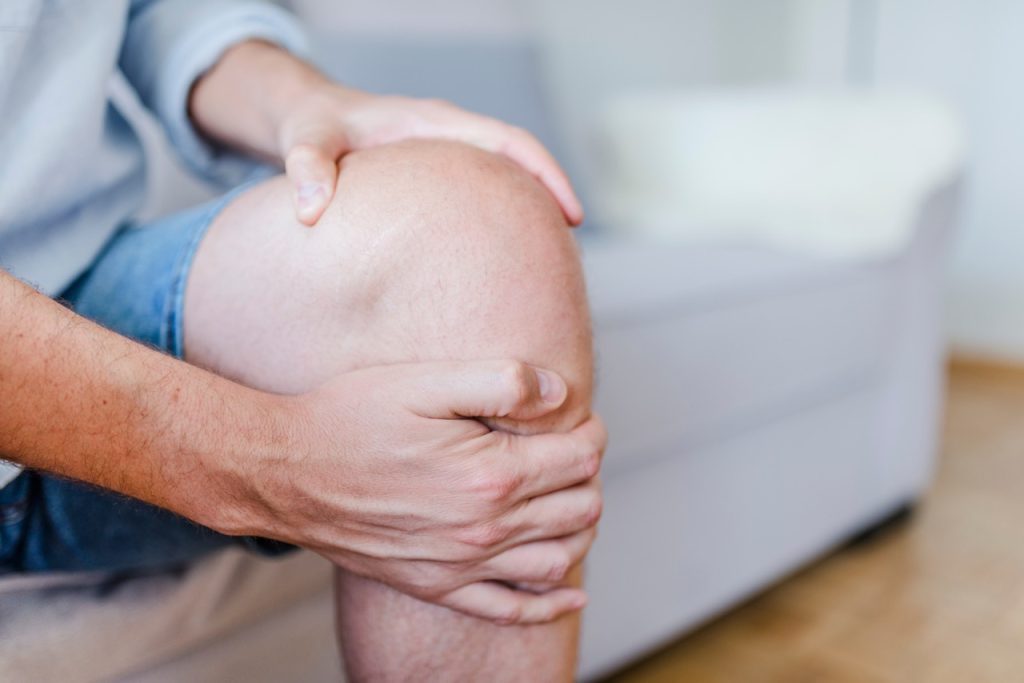
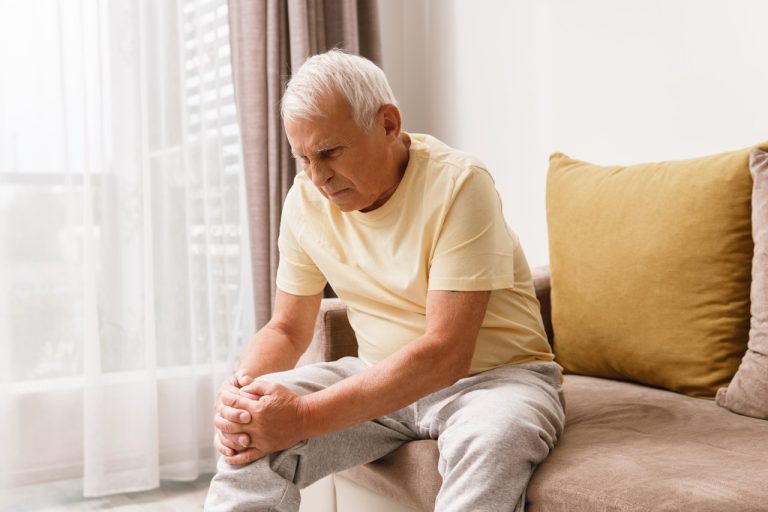
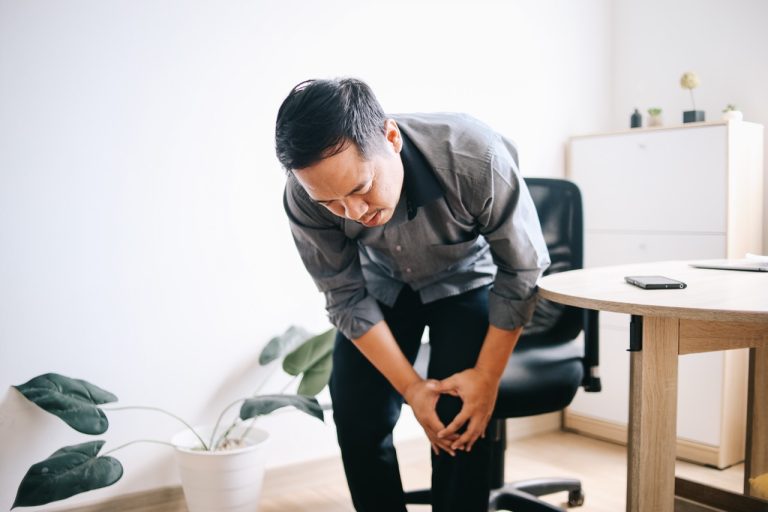
Knee arthritis symptoms can vary from day to day. Some days may feel manageable, while others bring more pain, swelling, stiffness, or difficulty walking. These periods of increased symptoms are often called flare-ups.
Knee arthritis flare-ups can be frustrating because they may interrupt daily life and make movement feel unpredictable. Understanding flare-ups can help you know when symptoms may need professional attention.
What Is a Knee Arthritis Flare-Up?
A flare-up is a period when symptoms become worse than usual. For knee osteoarthritis, this may include increased pain, swelling, stiffness, tightness, warmth, or reduced range of motion.
A flare-up may last hours, days, or longer depending on the cause and severity. Some flare-ups happen after activity, while others seem to appear without a clear reason.
Common Flare-Up Triggers
Knee arthritis flare-ups may be triggered by:
- Long periods of standing
- Walking more than usual
- Climbing stairs
- Yard work or housework
- Exercise
- Weather changes
- Sitting too long
- Poor sleep
- Increased joint stress
- Inflammation
Not every patient has the same triggers. Tracking symptoms can help you notice patterns.
Why Osteoarthritis Symptoms Flare
Knee osteoarthritis occurs when cartilage inside the knee joint becomes worn or damaged. This can make the joint more sensitive to pressure and movement. When the knee is stressed or inflamed, symptoms may increase.
Swelling can also make the knee feel tight and harder to bend. This can affect walking, stairs, and daily comfort.
When Flare-Ups Become a Problem
Occasional flare-ups may happen, but frequent or severe flare-ups should not be ignored. If symptoms keep returning, last longer than before, or affect daily activities, it may be time to seek care.
Recurring flare-ups may suggest that the knee arthritis is not being managed well or that the joint needs further evaluation.
How Flare-Ups Affect Daily Life
Flare-ups can make it hard to plan your day. You may feel fine one day and struggle the next. This unpredictability can make patients avoid errands, exercise, travel, or social activities because they worry about pain returning.
Over time, avoiding activity can lead to weakness and reduced mobility.
When to Schedule a Consultation
Consider a consultation if:
- Flare-ups happen often
- Swelling keeps returning
- Pain is getting worse
- Stiffness limits movement
- Stairs become difficult during flares
- Medication or rest is not enough
- You avoid activity because of symptoms
- Your knee feels unstable
A knee pain consultation can help identify what may be causing your symptoms and whether treatment options may help.
Nonsurgical Treatment Options
At Knee Pain Centers of America, patients can learn about nonsurgical treatment options for knee osteoarthritis. These options may help certain patients manage pain, improve comfort, and support better movement without immediately considering knee replacement surgery.
If knee arthritis flare-ups are disrupting your life, schedule a consultation to learn more about your options.