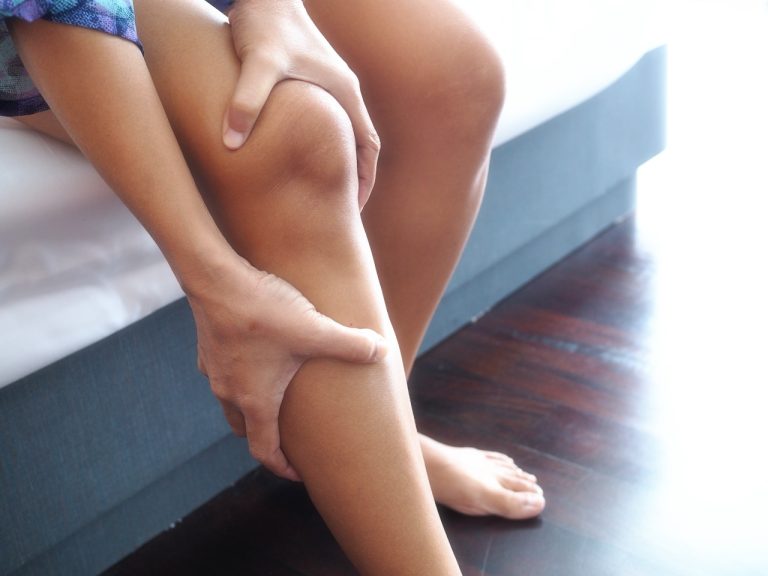
What to Expect If You Delay Knee Pain Treatment

Many people delay knee pain treatment. Some hope the pain will go away on its own. Others believe knee pain is just part of aging. Some avoid getting evaluated because they worry they will be told they need knee replacement surgery.
While occasional soreness may improve with time, chronic knee pain should not be ignored. Delaying care may allow symptoms to become more frequent, more limiting, and harder to manage.
Knee Pain May Become More Frequent
At first, knee pain may only happen after a busy day or extra activity. Over time, you may notice pain during normal routines such as walking, standing, climbing stairs, or getting out of a chair.
When pain becomes more frequent, it can start shaping your daily decisions.
Stiffness May Last Longer
Knee stiffness can also become more noticeable when treatment is delayed. You may feel stiff after sitting, sleeping, driving, or resting. The knee may take longer to loosen up, and your first steps may feel uncomfortable.
Recurring stiffness may be a sign of knee osteoarthritis or inflammation.
Activity Avoidance Can Lead to Weakness
When knee pain hurts, it is natural to move less. You may walk shorter distances, avoid stairs, skip exercise, or sit more often. While this may reduce pain temporarily, reduced activity can weaken the muscles around the knee.
These muscles help support the joint. When they become weaker, the knee may feel less stable and more painful during activity.
Walking Patterns Can Change
Delaying care can also allow compensation habits to develop. You may begin limping, shifting weight to one side, or avoiding full knee movement. These changes can place extra stress on the hips, back, feet, ankles, and opposite knee.
A small walking change can become a bigger mobility issue over time.
Daily Life May Become More Limited
Knee pain can gradually affect errands, work, sleep, exercise, family activities, and independence. You may stop doing things you enjoy or begin relying more on others for help.
When knee pain limits your lifestyle, it is no longer something to simply push through.
Does Delaying Treatment Mean Surgery Will Be Needed?
Not always, but waiting too long can reduce your options in some cases. A consultation does not mean you are committing to treatment or surgery. It gives you information about what is causing your symptoms and what options may be available.
Many patients are interested in nonsurgical care before considering knee replacement surgery.
When to Seek Care
You should consider a knee pain consultation if:
- Pain lasts more than a few weeks
- Symptoms keep returning
- Stairs are becoming difficult
- Your knee swells after activity
- You avoid walking or exercise
- Pain affects sleep or work
- Medication or rest is not enough
- Your knee feels weak or unstable
Getting evaluated early can help you make informed decisions.
Explore Your Treatment Options
At Knee Pain Centers of America, patients can learn about nonsurgical treatment options for knee osteoarthritis. The goal is to help patients reduce pain, improve comfort, and maintain mobility.
If you have been delaying knee pain care, schedule a consultation to learn more about your options.