Why Pain Relievers May Not Be Enough for Chronic Knee Pain
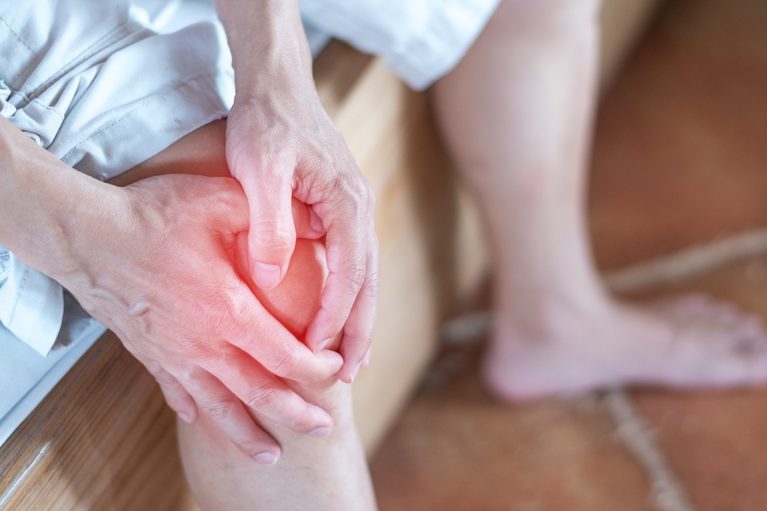
Pain relievers can be helpful for occasional knee soreness. They may reduce discomfort after a long day, extra activity, or a short-term flare-up. But if you rely on medication often and knee pain keeps returning, pain relievers may not be enough.
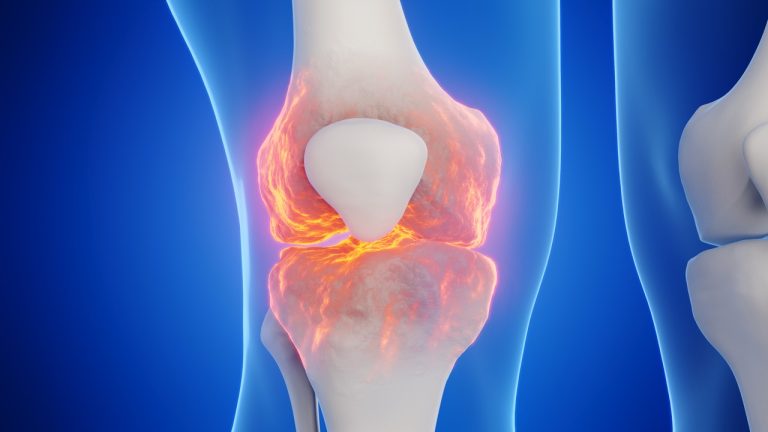
Chronic knee pain may be caused by knee osteoarthritis, inflammation, cartilage changes, or joint stress. In these cases, medication may temporarily reduce symptoms without addressing the underlying problem.
Pain Relief Is Not the Same as Treatment
Pain relievers may help you feel better for a short time, but they do not always explain why the pain is happening. If your knee hurts whenever you walk, stand, use stairs, or get out of a chair, the joint may need evaluation.
Temporary relief can be useful, but recurring symptoms deserve a closer look.
Knee Osteoarthritis and Ongoing Pain
Knee osteoarthritis occurs when cartilage inside the knee joint becomes worn or damaged. Cartilage helps cushion the bones and supports smooth movement. As the joint changes, patients may experience pain, stiffness, swelling, and reduced mobility.
Pain relievers may reduce discomfort, but they do not restore cartilage or correct the joint changes causing symptoms.
When Medication Stops Working Well
Many patients notice that medication helps less over time. You may need it more often, feel relief for shorter periods, or still have pain during daily activities.
This can be a sign that your knee pain needs a more complete care plan.
Pain Relievers May Not Address Swelling or Weakness
Chronic knee pain often involves more than pain alone. Patients may also have swelling, stiffness, weakness, instability, or reduced range of motion. These issues can affect walking, stairs, balance, and confidence.
If you only manage pain without addressing function, your mobility may continue to decline.
The Risk of Pushing Through Pain
When medication dulls pain temporarily, some people push through activities that continue irritating the knee. This may lead to flare-ups, swelling, or worsening discomfort later.
If pain keeps returning after activity, it is important to understand what is happening inside the knee.
When to Seek Care
Consider scheduling a knee pain consultation if:
- You take pain relievers often for knee pain
- Medication only helps temporarily
- Pain keeps returning
- Your knee swells or feels stiff
- Stairs are becoming difficult
- You avoid activity because of discomfort
- Your knee feels weak or unstable
- Pain affects sleep, work, or errands
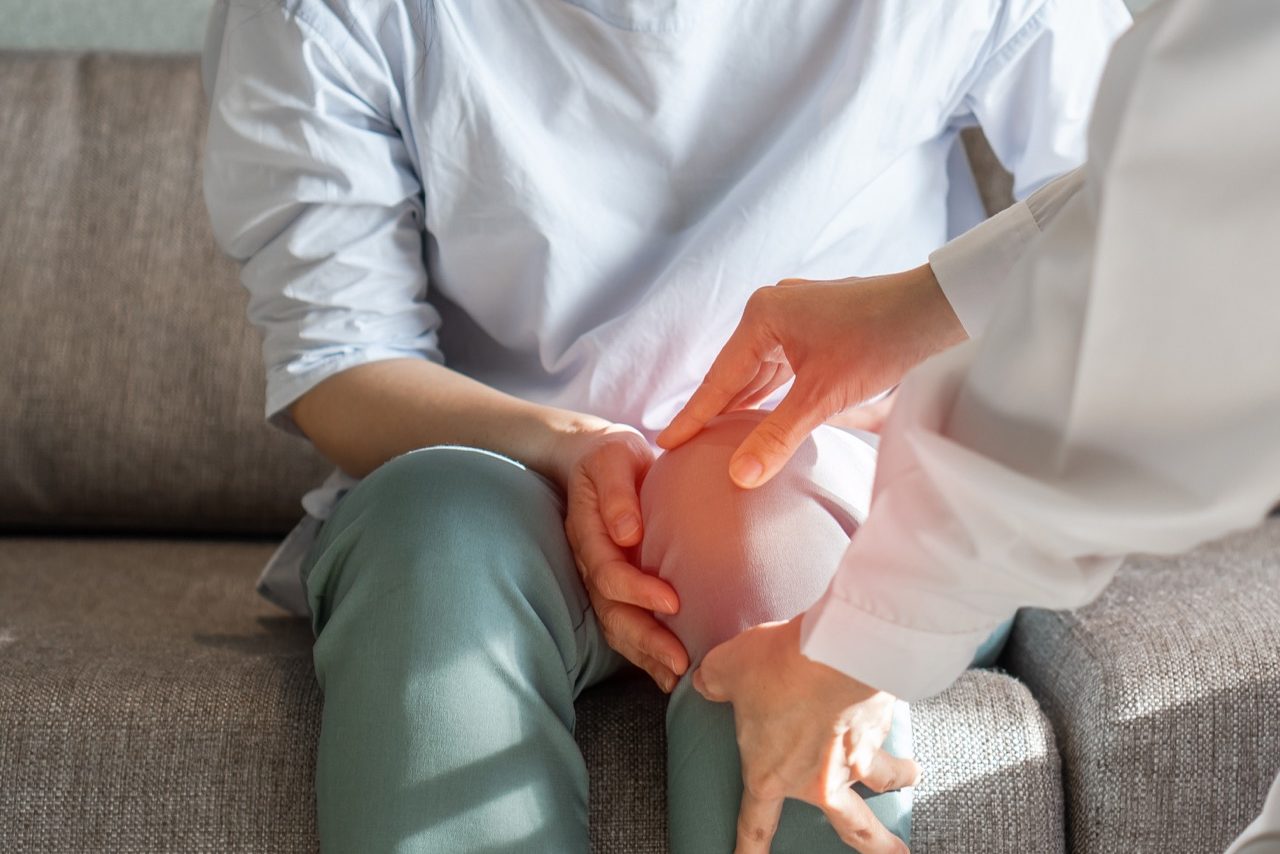
A consultation can help determine whether knee osteoarthritis or another condition may be contributing to your symptoms.
Nonsurgical Treatment Options
At Knee Pain Centers of America, patients can explore nonsurgical treatment options for knee osteoarthritis. These options may help certain patients reduce discomfort, improve mobility, and avoid or delay knee replacement surgery.
If pain relievers are no longer enough, schedule a consultation to learn more about treatment options that may better support your daily life.