How Arthritis Pain Can Change the Way You Walk
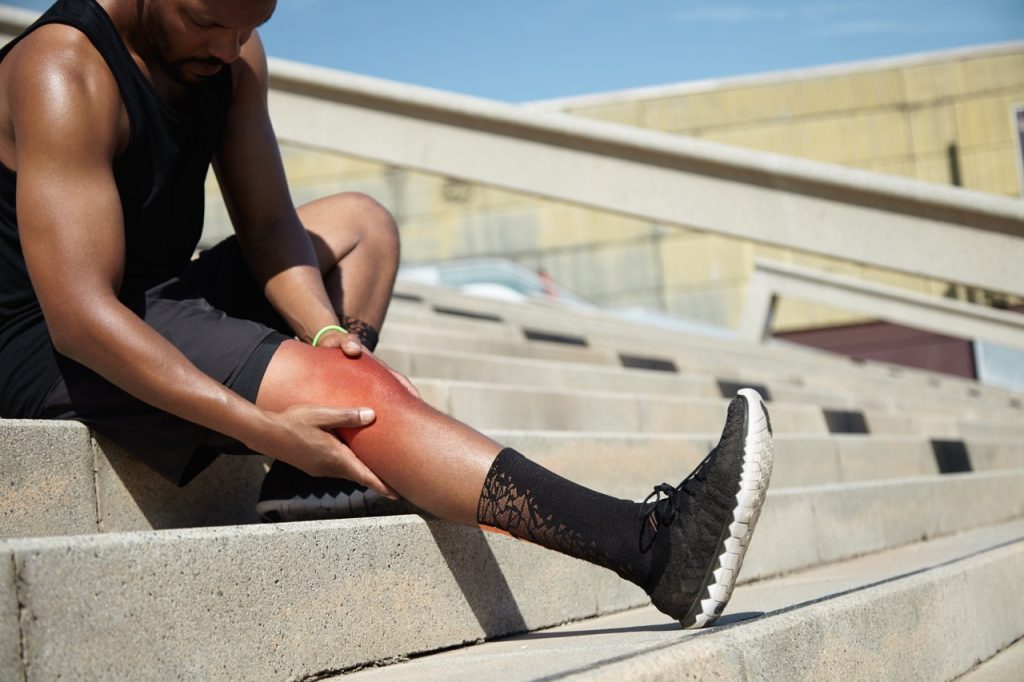
When your knee hurts, your body naturally tries to protect it. You may not even realize it, but you might start taking shorter steps, leaning to one side, walking more slowly, or avoiding full knee movement. Over time, arthritis pain can change the way you walk.
These walking changes may seem small at first, but they can affect your balance, mobility, strength, and comfort. If knee pain is changing the way you move, it may be time to seek care.
Why Knee Pain Affects Walking
Walking requires the knee to bend, straighten, support weight, and absorb pressure. When the joint is painful, stiff, swollen, or unstable, normal walking can become difficult.
Knee osteoarthritis is a common cause of these problems. It occurs when the cartilage inside the knee joint becomes worn or damaged. As cartilage changes, the joint may become irritated and inflamed, causing pain during movement.
Common Walking Changes Caused by Knee Arthritis
People with knee arthritis may develop changes in their walking pattern, including:
- Limping
- Taking shorter steps
- Walking slower
- Shifting weight to the opposite leg
- Avoiding bending the painful knee
- Turning the foot outward
- Holding onto furniture or railings
- Feeling unsteady on uneven ground
These changes may happen gradually. You may not notice them until someone points them out or until walking becomes more tiring.
Compensation Can Cause Other Pain
When knee pain changes the way you walk, other areas of the body may have to work harder. The hips, lower back, ankles, feet, and opposite knee may take on extra stress.
This can lead to new aches and discomfort. For example, favoring one knee may cause the other knee to feel sore. Walking unevenly may also affect posture and balance.
Walking Less Can Lead to Weakness
Many people with knee arthritis reduce their activity because walking hurts. While this may help avoid pain in the moment, long-term inactivity can make symptoms worse.
The muscles around the knee help support the joint. When activity decreases, those muscles may weaken. Weaker muscles can make the knee feel less stable and increase discomfort with movement.
Balance and Confidence May Decline
Walking changes can also affect confidence. You may feel nervous in parking lots, on stairs, on grass, or in crowded places. If you worry about falling or losing balance, you may start avoiding activities you once enjoyed.
This loss of confidence can affect independence and quality of life.
When to Seek Help for Walking Changes
Consider scheduling a knee pain consultation if:
- You are limping
- Walking causes pain or swelling
- You avoid longer walks
- Your knee feels unstable
- You rely more on railings or support
- You feel off balance
- Stairs are becoming harder
- Knee pain affects errands, work, or exercise
A consultation can help identify whether knee osteoarthritis may be causing your symptoms and whether nonsurgical treatment may be an option.
Treatment May Help Improve Mobility
At Knee Pain Centers of America, patients can explore innovative, nonsurgical treatment options for knee osteoarthritis. The goal is to help patients reduce pain, improve comfort, and move with more confidence.
If knee arthritis is changing the way you walk, do not wait for your mobility to decline further.
Take the Next Step Toward Better Movement
Your walking pattern can say a lot about your knee health. If pain is changing how you move, schedule a consultation with Knee Pain Centers of America to learn more about your options.