Why Does Knee Pain With Age Become More Common?
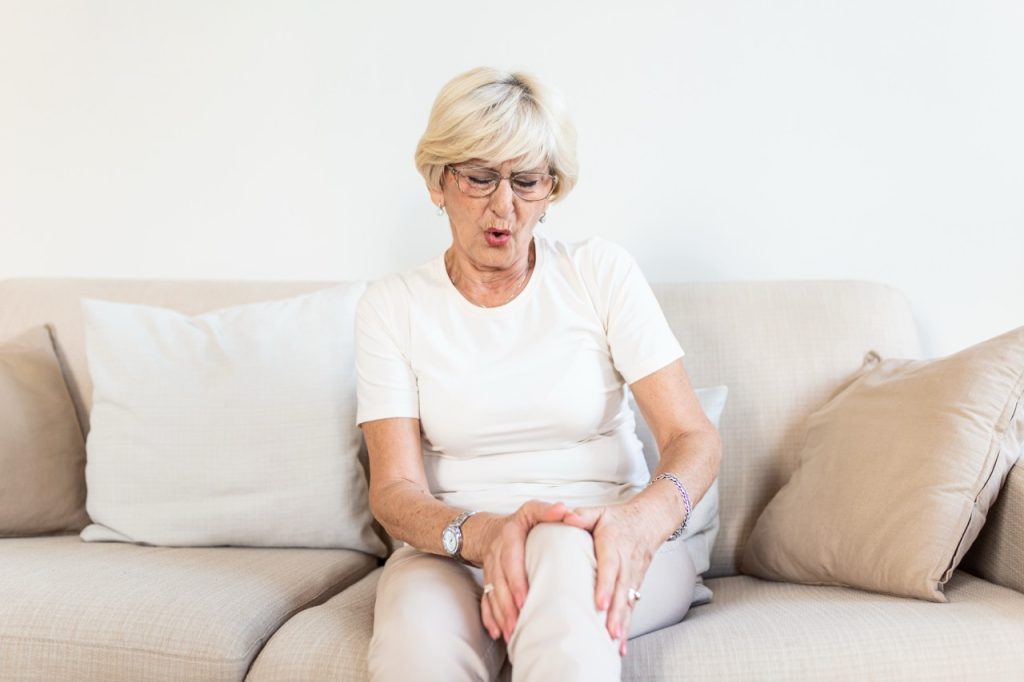
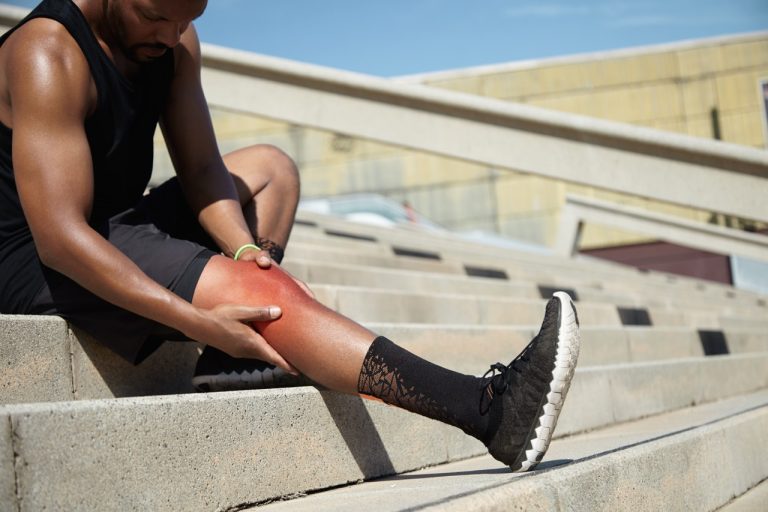
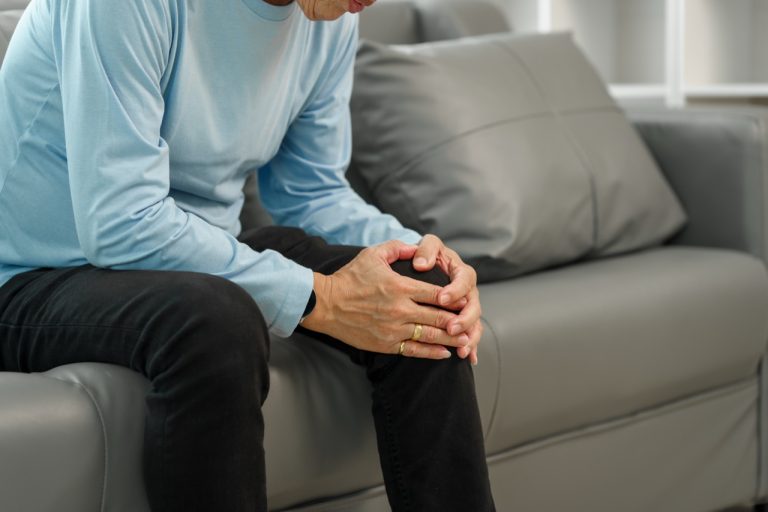
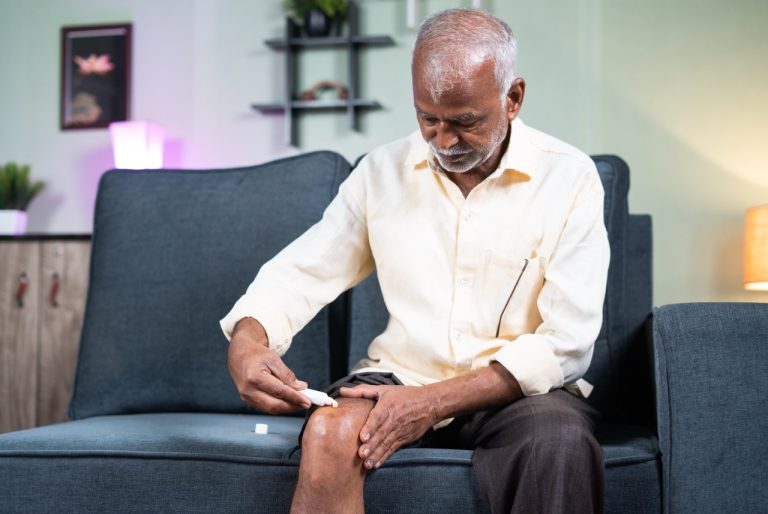
Joint discomfort becomes increasingly frequent as the years pass, but that does not mean you have to accept it as an unavoidable part of getting older. Many adults assume that aching, thropping joints are simply a natural consequence of a long life. While time can certainly take a toll on your body, enduring persistent stiffness, localized swelling, or limited mobility often points to an underlying medical condition rather than normal aging.
Experiencing increasing knee pain with age is frequently tied to progressive wear-and-tear conditions like knee osteoarthritis. Understanding exactly why these joint changes occur is the most effective way to identify when it is time to seek professional care and explore your treatment options.
The Joint Handles Decades of Mechanical Pressure
Your knees are complex, weight-bearing structures that manage an immense amount of physical force. Every step you take, staircase you climb, and object you lift places mechanical pressure directly on the joint capsule. Over several decades, this repeated daily stress naturally impacts the surrounding cartilage, bones, ligaments, and muscle tissues.
Healthy cartilage plays a vital role in protecting your lower body. It acts as a slippery, shock-absorbing cushion that allows your bones to glide smoothly against one another during movement. As this protective layer gradually becomes thinner or sustains micro-damage over time, the entire joint becomes significantly more sensitive to daily activity and weight-bearing pressure.
Knee Osteoarthritis Is Highly Prevalent
Degenerative joint disease, commonly known as knee osteoarthritis, is the single most frequent reason older adults deal with ongoing discomfort. This progressive condition develops when the essential cartilage cushioning the ends of your leg bones systematically thins and degrades.
As the internal joint environment alters, patients typically notice a combination of:
- Deep, localized aching during or after physical activity
- Rigid joint stiffness immediately after waking up or sitting for long periods
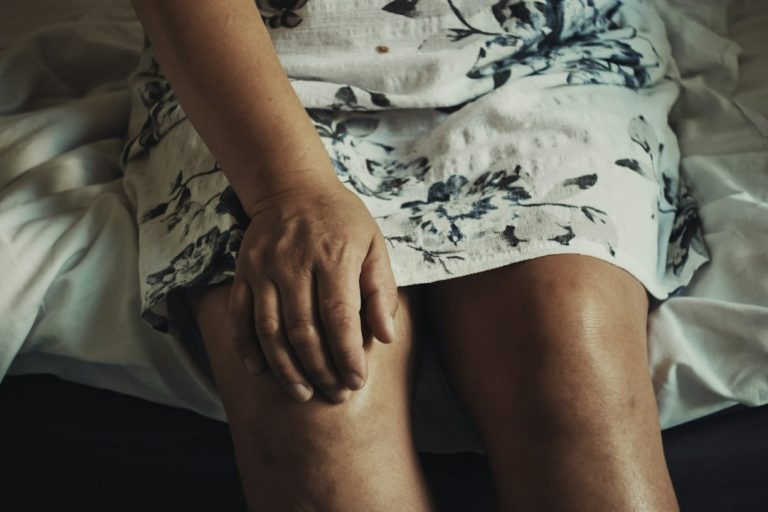
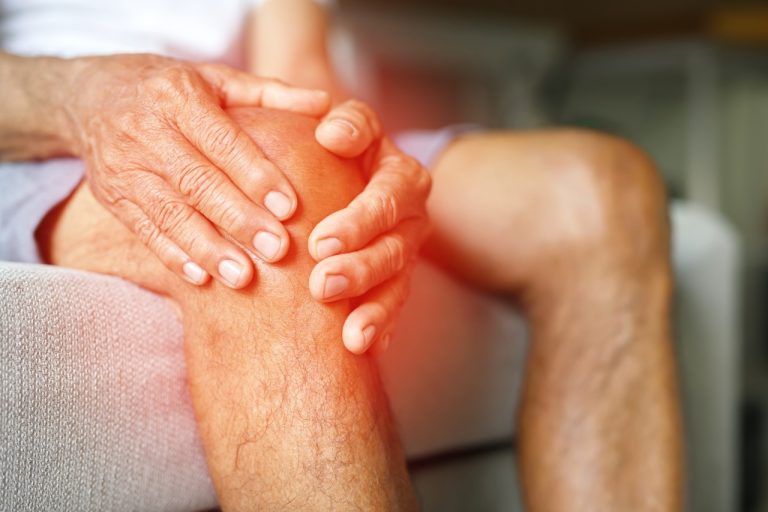
- Visible puffiness or structural swelling around the borders of the kneecap
- A gradual reduction in your natural range of motion
These symptoms almost always develop gradually over a period of years. You might first notice a mild twinge while navigating stairs, or a subtle tightness after a long walk. Over time, however, managing knee pain with age becomes increasingly difficult as flare-ups turn more frequent and harder to control with simple rest.
Natural Declines in Leg Muscle Strength
The muscle groups surrounding your legs—specifically your quadriceps and hamstrings—play a massive role in stabilizing and supporting your joint structures. As people grow older, muscle mass and overall physical strength can naturally decrease, particularly if daily activity levels begin to decline.
When your leg muscles weaken, they lose their ability to absorb impact, forcing the physical joint to bear the brunt of your body weight. This often triggers a frustrating cycle: joint distress causes you to move less, inactivity rapidly worsens muscle weakness, and a lack of muscular support increases your physical discomfort. Breaking this downward trend is essential if you want to preserve your long-term independence. (Tip: To learn more about maintaining active movement, read our guide on [insert internal link to a relevant blog post, e.g., safe exercises for arthritic joints here]).
Past Injuries Can Resurface Decades Later
Old physical traumas frequently contribute to progressive knee pain with age. A remote sports injury, an old fall, a minor meniscus tear, a ligament strain, or a previous surgical procedure can permanently alter how your joint distributes weight.
Even if an injury occurred during your youth and seemingly healed completely, the subtle mechanical imbalances it left behind can accelerate cartilage wear-and-tear, ultimately manifesting as chronic arthritis symptoms later in life. If you have a history of leg trauma and are now struggling to stay active, a professional evaluation is highly recommended.
Chronic Joint Inflammation Becomes More Noticeable
As joint cartilage thins, the internal structures of the knee can experience frequent, localized inflammation. This inflammatory response triggers fluid retention, warmth, tenderness, and a deep, continuous ache within the joint capsule.
Many patients report that their inflammatory symptoms flare up predictably after certain triggers, such as:
- Spending a long afternoon standing or gardening
- Sudden shifts in barometric weather pressure
- Completing normal household chores or running errands
- Navigating multi-level buildings or flights of stairs
This persistent puffiness makes the leg feel heavy and less flexible, directly impacting your walking stride and overall daily comfort.
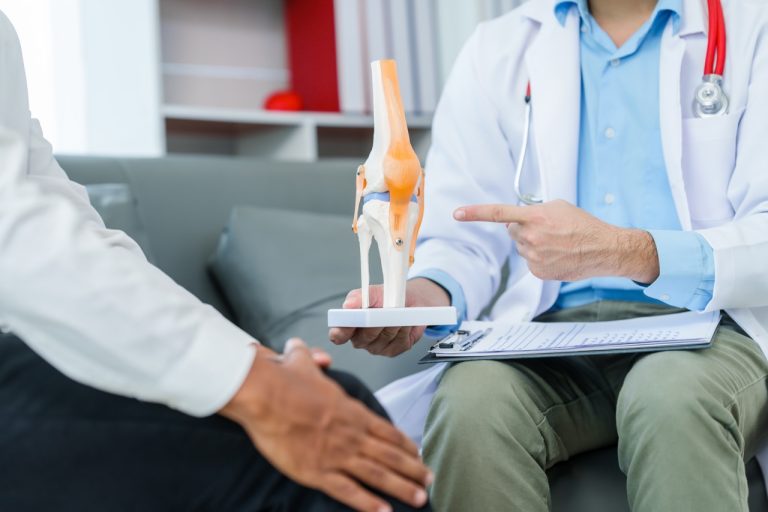
When Should You Seek a Professional Evaluation?
According to clinical standards for joint preservation, early intervention is vital to protecting your mobility as you grow older. (Tip: You can read more about established joint care guidelines from trusted resources like the [insert outbound link to an authoritative medical site like the Arthritis Foundation or Mayo Clinic here]). You should consider booking a comprehensive consultation if your symptoms are paired with any of these warning signs:
- Aching or throbbing lasts for several consecutive weeks
- Severe morning stiffness takes more than 30 minutes to ease
- Localized swelling or fluid buildup keeps returning
- Climbing or descending a staircase is becoming a daily dread
- You find yourself actively avoiding short walks or recreational hobbies
- Your leg feels weak, unstable, or like it might buckle underneath you
- Pain actively disrupts your sleep quality or ability to work
Exploring Advanced, Nonsurgical Care Options
Many individuals experiencing chronic joint degeneration are eager to avoid or delay invasive total knee replacement surgery. Fortunately, modern medical advancements offer effective alternatives that do not require major surgery or lengthy hospital stays.
At Knee Pain Centers of America, we specialize in helping patients explore innovative, nonsurgical treatment pathways specifically tailored to manage knee osteoarthritis. Our core clinical goals are to calm chronic inflammation, restore natural joint lubrication, and help you return to the activities you love with renewed confidence.
Getting older does not mean you are forced to live with constant physical limitations. Contact Knee Pain Centers of America today to schedule your consultation and find out if our advanced conservative treatments are right for your lifestyle.