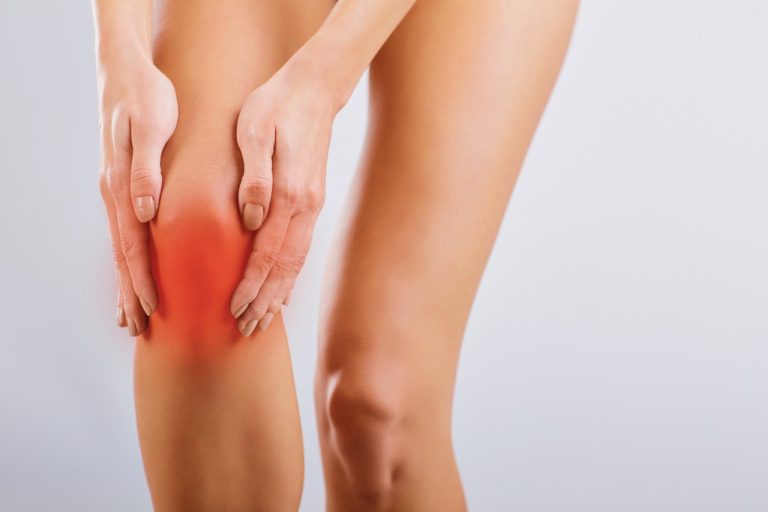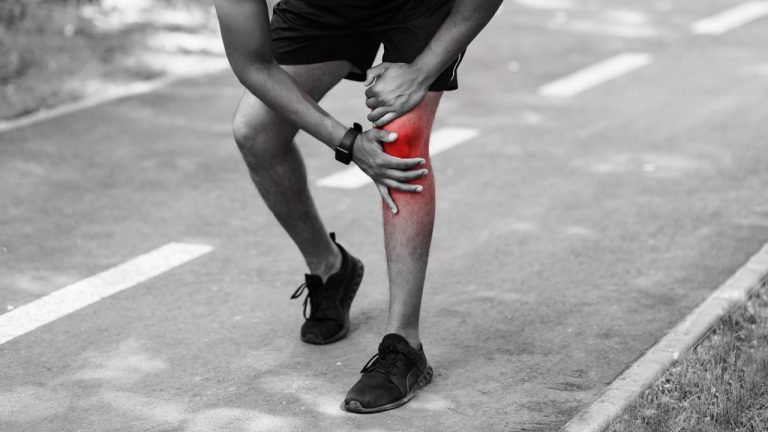
Knee Pain While Standing: Causes and Treatment Options
Standing may seem like a simple part of your daily routine, but for people living with chronic joint discomfort, it can become uncomfortable quickly. You may notice a deep aching, intense pressure, structural stiffness, or fluid retention after standing for only a short time. For many individuals, everyday tasks like waiting in a long line, cooking dinner, working a shift, or attending social events become incredibly difficult to manage.
Experiencing frequent knee pain while standing can have several distinct root causes. One of the most common reasons for this localized discomfort is knee osteoarthritis—a progressive condition that directly impacts the protective cartilage and overall physical function of the leg joints.
Why Prolonged Standing Can Trigger Discomfort
Your legs bear the vast majority of your body weight whenever you are upright. If your joint capsule is perfectly healthy, this mechanical pressure is usually manageable and evenly distributed. However, when the structural tissues are inflamed, arthritic, or structurally irritated, remaining upright quickly triggers a painful physical response.
Unlike walking or cycling, static standing keeps continuous weight and downward pressure on the joint surfaces without any fluid movement to lubricate them. This lack of motion can make internal stiffness, localized swelling, or dull aching significantly more noticeable as the minutes pass.
Knee Osteoarthritis and Standing Discomfort
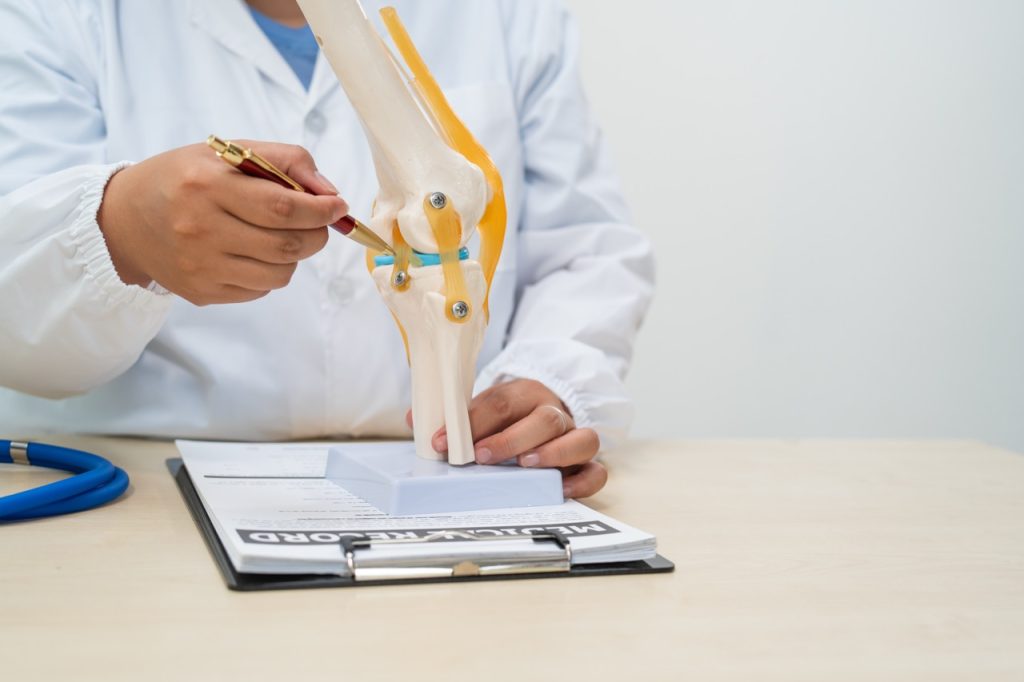
Knee osteoarthritis occurs when the slippery, protective cartilage inside the joint becomes worn, thin, or structurally damaged over time. As this essential cartilage changes, the joint loses its natural shock-absorbing cushion and becomes far more sensitive to weight-bearing pressure.
Faring with knee pain while standing for long periods happens because the joint remains actively loaded without a break. Patients frequently report feeling a deep ache in the front, along the inside edge, or entirely wrapping around the kneecap. It is also highly common to notice visible swelling or rigid stiffness immediately following an upright activity.
Common Symptoms That May Accompany Joint Changes
If underlying joint degeneration or osteoarthritis is contributing to your knee pain while standing, you may also notice several related warning signs throughout your day, including:
- Deep stiffness setting in immediately after sitting down
- Increased physical discomfort when climbing or descending stairs
- Visible puffiness or swelling around the borders of the kneecap
- Difficulty walking longer distances without needing a break
- Grinding, clicking, or popping sensations during movement
- A gradually reduced range of motion when bending your leg
- General muscle weakness or a feeling of joint instability
- Discomfort that steadily worsens later in the evening
These localized symptoms can rapidly interfere with your baseline daily routines, sleep quality, and overall independent lifestyle. (Tip: To find more ways to manage your symptoms day-to-day, read our practical guide on [insert internal link to another blog post on your site, e.g., managing arthritis flares at home here]).
Employment and Activities That Amplify the Problem
People who are required to stand for their livelihoods often notice these physical limitations more frequently. This can include healthcare workers, teachers, retail employees, factory workers, restaurant staff, and anyone else who spends consecutive hours on hard floors.
Beyond employment, this persistent discomfort can severely disrupt simple personal activities such as cooking meals, cleaning the house, running grocery errands, attending religious services, watching a sporting event, or traveling.
Why You Should Not Ignore Static Joint Pain
If you regularly encounter knee pain while standing, it is a direct warning sign from your body that the joint requires dedicated attention. Simply trying to push through the discomfort or ignoring it can lead to activity avoidance, severely reduced long-term mobility, and progressive muscle weakness.
To minimize the ache, you may find yourself sitting down more often, cutting your errands short, or avoiding community events entirely. Over time, this sedentary shift reduces your cardiovascular health, leg strength, and physical confidence. According to clinical standards for joint care, early conservative intervention is key to staying mobile. (Tip: You can review established joint preservation guidelines from trusted resources like the [insert outbound link to an external authority site like the Arthritis Foundation or Mayo Clinic here]).
When to Seek Professional Knee Care
Consider scheduling a comprehensive clinical consultation if:
- Remaining upright causes frequent, predictable joint discomfort
- Your pain lasts for a significant time after you finally sit down
- Your joint visibly swells or throbs after you spend time on your feet
- You find yourself actively avoiding hobbies or tasks that require standing
- Over-the-counter anti-inflammatories or periods of rest are no longer enough
- You experience frequent morning stiffness, localized weakness, or buckling
A professional diagnostic evaluation can help identify the exact stage of your symptoms and clarify your conservative care options.
Nonsurgical Treatment Options for Joint Relief
Many patients dealing with standing-related joint pain are eager to avoid or delay invasive total knee replacement surgery. At Knee Pain Centers of America, we introduce patients to innovative, nonsurgical treatment options specifically designed to address knee osteoarthritis.
Our clinical goal is to help you reduce chronic inflammation, restore natural joint lubrication, improve mobility, and stay confidently active in your daily life without major surgical downtime.
Reclaim Your Ability to Stand Comfortably
Standing shouldn’t keep you from working, cooking for your family, shopping, or enjoying your life to the fullest. If ongoing joint limitations are shrinking your daily routine, take the next step toward finding a lasting solution.
Contact Knee Pain Centers of America today to schedule a consultation and learn whether our specialized, nonsurgical treatments are the right fit for your lifestyle.