How to Know If Your Knee Pain Is Getting Worse
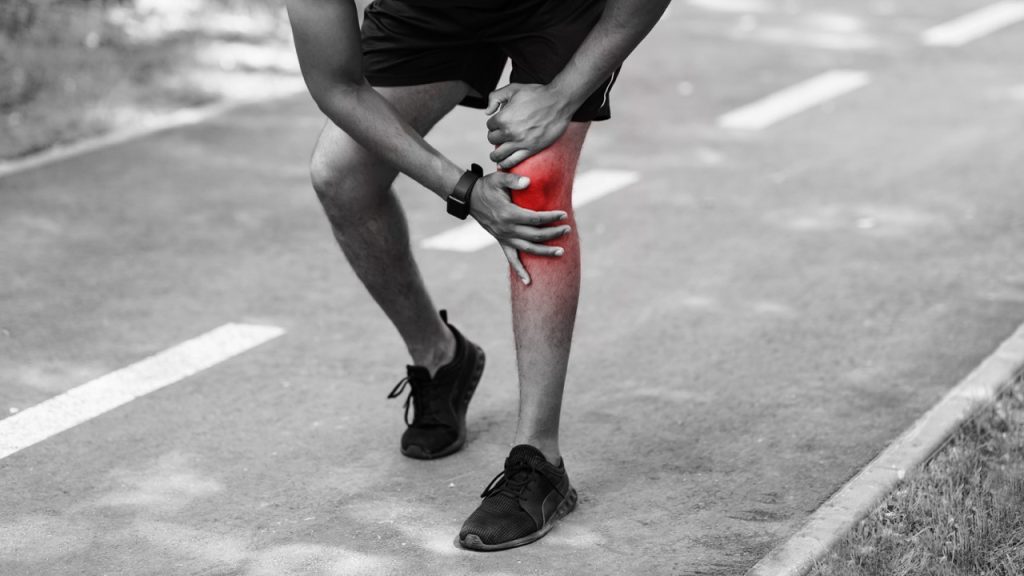
Common Signs of Worsening Knee Pain
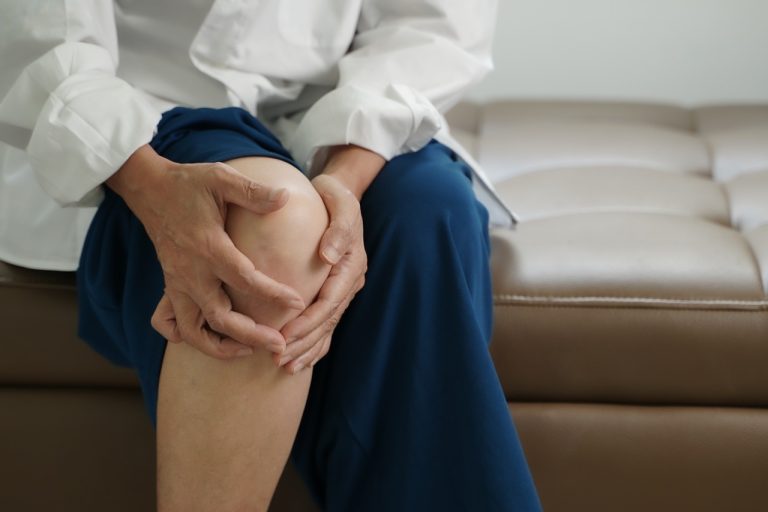
Knee pain can change slowly. At first, it may only bother you after a long walk or a busy day. Over time, you may notice that the pain happens more often, lasts longer, or affects activities that used to feel easy. These changes can be signs that your knee pain is getting worse.
For many patients, worsening knee pain may be related to knee osteoarthritis, inflammation, joint stress, or reduced mobility. Recognizing the signs early can help you seek care before pain becomes more limiting.
Pain Happens More Often
One of the clearest signs that knee pain may be worsening is frequency. Occasional soreness after extra activity is different from pain that becomes part of your normal week.
You may notice discomfort when walking, standing, climbing stairs, getting out of a chair, or running errands. If pain is becoming more common, your knee may need evaluation.
Pain Lasts Longer Than Before
Another warning sign is pain that takes longer to calm down. In the past, resting for a short time may have helped. Now, you may feel sore for the rest of the day or even into the next morning.
When recovery becomes slower, it may mean the knee joint is more irritated or inflamed than it used to be.
Stiffness Is Becoming More Noticeable
Knee stiffness can be a common symptom of knee osteoarthritis. You may feel stiff after sitting, driving, sleeping, or resting. If stiffness is lasting longer or making it harder to start moving, that may be a sign of progression.
Stiffness can affect your ability to walk comfortably, use stairs, or bend the knee fully.
Swelling Keeps Returning
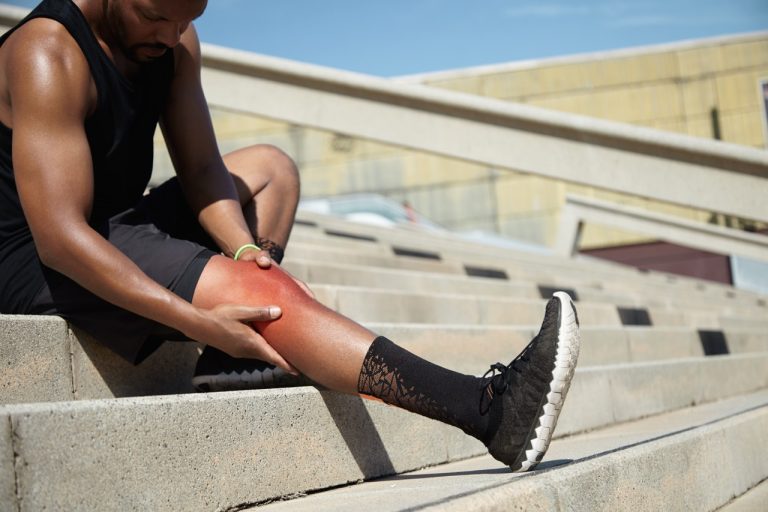
Recurring swelling may suggest ongoing inflammation inside or around the knee joint. The knee may look puffy, feel tight, or seem harder to bend. Swelling may appear after walking, standing, stairs, or exercise.
If swelling happens more frequently or takes longer to improve, it should be evaluated.
You Are Avoiding More Activities
Many people adjust their routines without realizing it. You may start parking closer, skipping stairs, avoiding long walks, or choosing to sit more often. These changes may feel practical, but they can also show that knee pain is taking more control over daily life.
If knee pain is limiting your choices, it may be getting worse.
Your Walking Pattern Has Changed
Worsening knee pain can change the way you walk. You may limp, take shorter steps, shift weight to one side, or rely more on railings. These changes can place extra stress on the hips, back, feet, and opposite knee.
A change in walking pattern is a strong reason to seek a knee pain consultation.
Medication or Rest Is No Longer Enough
If pain relievers, rest, ice, or activity changes used to help but no longer provide enough relief, your symptoms may need more targeted care. Temporary relief can be useful, but recurring pain should not be ignored.
When to Seek Care
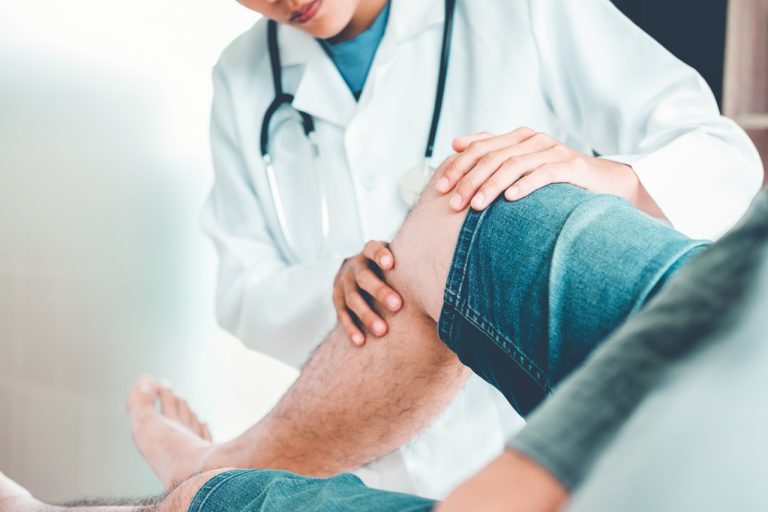
Consider scheduling a consultation if your knee pain is more frequent, more intense, or more limiting than before. You should also seek care if you have swelling, stiffness, weakness, instability, or pain that affects sleep or daily activities.
At Knee Pain Centers of America, patients can learn about nonsurgical treatment options for knee osteoarthritis. A consultation can help you understand what may be causing your symptoms and whether nonsurgical care may be right for you.