Why Your Knee Feels Tight or Full
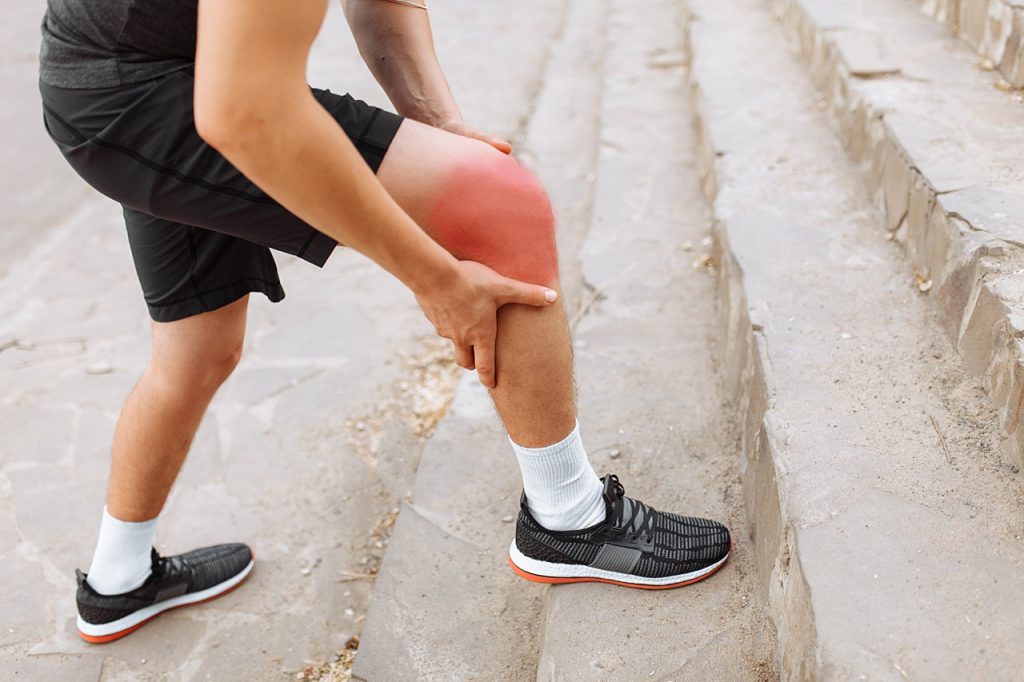
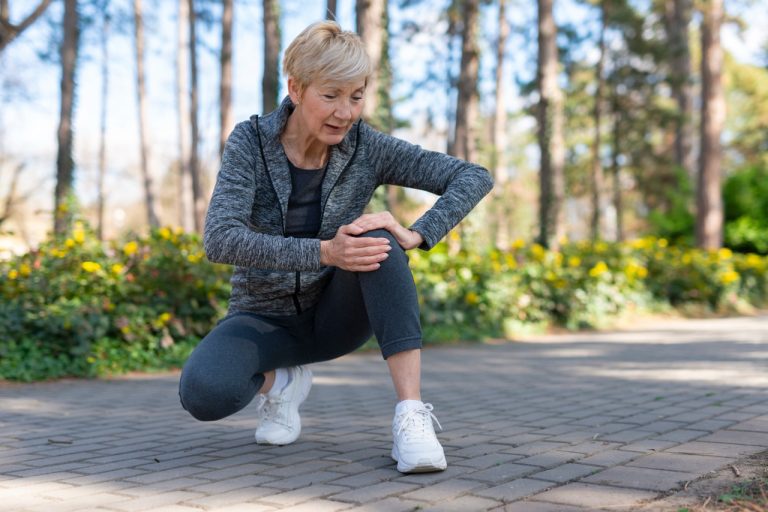
A tight or full feeling in the knee can be uncomfortable and concerning. You may feel pressure when bending the knee, notice that one knee looks larger than the other, or feel like the joint is swollen even if it is not visibly dramatic.
This sensation may be related to swelling, inflammation, joint irritation, or knee osteoarthritis. If the feeling keeps returning or affects movement, it may be time to seek care.
What Does Knee Fullness Feel Like?
Patients describe knee fullness in different ways. Some say the knee feels tight, heavy, puffy, or pressurized. Others feel like they cannot bend or straighten the knee as easily as before.
You may notice tightness when:
- Walking
- Climbing stairs
- Getting up from a chair
- Bending the knee
- Standing after sitting
- Exercising
- Sleeping with the knee bent
- Standing for long periods
A full feeling can make the knee feel less flexible and less comfortable.
Swelling Is a Common Cause
One of the most common reasons for knee tightness or fullness is swelling. When the knee joint is irritated, fluid may collect in or around the joint. This can create pressure and reduce range of motion.
Swelling may be mild or obvious. Some patients do not see a major difference but still feel tightness inside the knee.
Knee Osteoarthritis and Fullness
Knee osteoarthritis occurs when cartilage inside the knee joint becomes worn or damaged. As the joint changes, inflammation may develop. This can lead to swelling, stiffness, pain, and a tight feeling.
Patients with osteoarthritis may notice that the knee feels fuller after activity or later in the day. Symptoms may also flare after stairs, walking, standing, or yard work.
Other Symptoms to Watch For
A tight or full knee may happen along with:
- Pain while walking
- Stiffness after sitting
- Swelling around the joint
- Clicking, popping, or grinding
- Difficulty bending or straightening
- Warmth around the knee
- Weakness or instability
- Pain during stairs
If these symptoms are recurring, a knee pain consultation may help identify the cause.
Why Knee Tightness Can Affect Mobility
When the knee feels full, it may not move normally. You may avoid bending it, walk differently, or feel less stable. Over time, these changes can affect balance, confidence, and activity level.
Reduced movement can also weaken the muscles that support the knee, which may make symptoms worse.
When to Seek Care
Consider scheduling a consultation if:
- Knee tightness keeps returning
- The knee swells after activity
- You have pain with fullness
- Bending or straightening is harder
- One knee feels larger than the other
- Stairs are becoming difficult
- You avoid activity because of discomfort
- Rest does not provide lasting relief
A consultation can help determine whether osteoarthritis, inflammation, or another issue is contributing to your symptoms.
Nonsurgical Knee Pain Treatment
At Knee Pain Centers of America, patients can explore nonsurgical treatment options for knee osteoarthritis. The goal is to help patients reduce pain, improve comfort, and move more confidently.
If your knee feels tight or full, schedule a consultation to learn more about your treatment options.