Knee Pain in Seniors: What Is Normal and What Is Not?

Many seniors experience knee discomfort, but ongoing pain should not be dismissed as “just aging.” While the risk of knee problems can increase over time, chronic pain, swelling, stiffness, and loss of mobility may be signs of knee osteoarthritis or another condition that deserves care.
Understanding what may be normal and what should be evaluated can help seniors protect independence, comfort, and quality of life.
Mild Occasional Soreness Can Happen
It is not unusual to feel occasional soreness after extra activity, long walks, or standing more than usual. Mild discomfort that improves quickly may not be a major concern.
However, pain that becomes frequent, lasts longer, or affects daily life should be taken seriously. Seniors should not have to accept constant knee pain as normal.
Signs Knee Pain May Need Attention
Knee pain should be evaluated when it affects normal routines. Warning signs include:
- Pain while walking
- Stiffness after sitting or sleeping
- Swelling around the knee
- Difficulty using stairs
- Trouble standing from a chair
- Reduced balance or confidence
- Pain that affects sleep
- Avoiding errands or activities
- Feeling like the knee may give out
These symptoms may suggest knee osteoarthritis, inflammation, weakness, or joint irritation.
Knee Osteoarthritis Is Common With Age
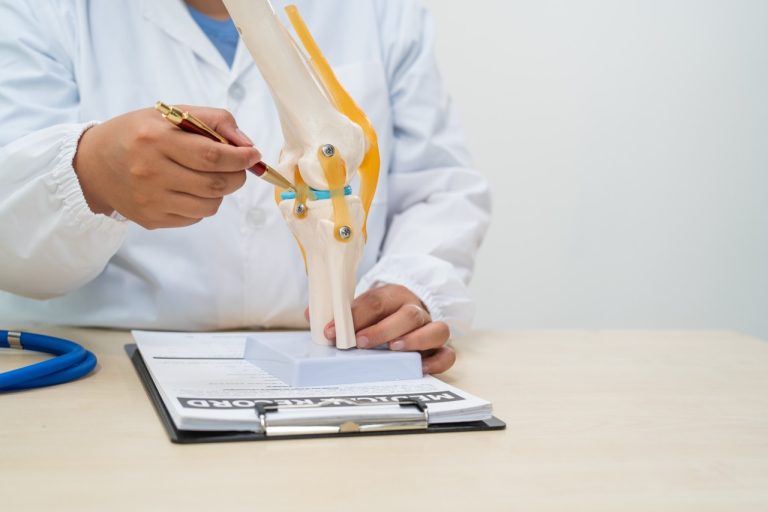
Knee osteoarthritis is one of the most common causes of chronic knee pain in seniors. It occurs when cartilage inside the knee joint becomes worn or damaged. Cartilage helps cushion the bones and allows smooth movement.
As the cartilage changes, the knee may become painful, stiff, swollen, or harder to move. Symptoms may develop gradually, which is why many people do not notice how much their mobility has changed until daily tasks become difficult.
Why Senior Knee Pain Should Not Be Ignored
Knee pain can affect independence. It may become harder to shop, cook, climb stairs, attend family events, or walk through a parking lot. Some seniors begin moving less because they are afraid of pain or falling.
Reduced activity can lead to muscle weakness, stiffness, and lower confidence. This can increase the risk of additional mobility problems.
Does Knee Pain Always Mean Knee Replacement?
Not always. Some seniors avoid getting care because they worry knee replacement surgery will be the only recommendation. While surgery may be appropriate for some patients, others may be candidates for nonsurgical treatment options.
A consultation can help identify what is causing the pain and whether nonsurgical care may be worth exploring.
When to Schedule a Consultation
Seniors should consider a knee pain consultation if pain is affecting walking, stairs, sleep, balance, independence, or daily comfort. It is also important to seek care if symptoms are worsening or if medication and rest no longer provide enough relief.
Getting evaluated can help patients better understand their options and make informed decisions.
Nonsurgical Treatment Options for Knee Osteoarthritis
At Knee Pain Centers of America, patients can explore nonsurgical treatment options for knee osteoarthritis. The goal is to help reduce pain, improve comfort, and support better mobility.
If knee pain is making daily life harder, schedule a consultation to learn more about your options.