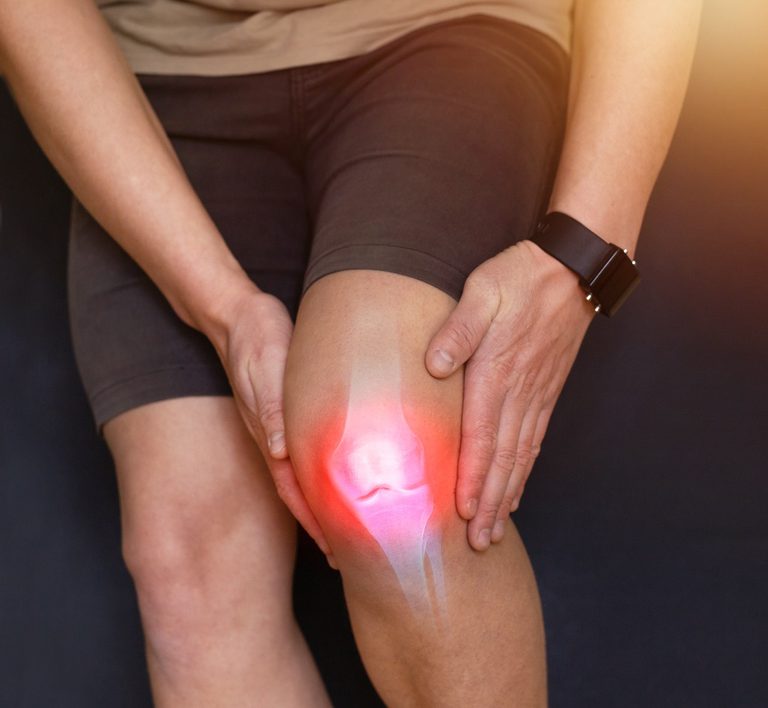
Why Earlier Knee Pain Care May Lead to Better Options

Many people wait to seek care for knee pain. They may hope the discomfort will go away, assume it is part of aging, or worry that they will be told knee replacement surgery is the only option. While occasional soreness can improve with rest, ongoing knee pain should not be ignored.
Earlier knee pain care may help patients better understand symptoms, explore treatment options, and take steps before pain becomes more limiting. For patients with knee osteoarthritis, getting evaluated sooner can be an important part of protecting mobility and quality of life.
Knee Pain Often Starts Gradually
Knee pain does not always begin suddenly. It may start as mild stiffness in the morning, soreness after walking, or discomfort when climbing stairs. At first, symptoms may come and go.
Over time, you may notice that pain happens more often, lasts longer, or affects normal activities. These gradual changes can be signs that the knee joint needs attention.
Knee Osteoarthritis Can Progress Over Time
Knee osteoarthritis occurs when cartilage inside the knee joint becomes worn or damaged. Cartilage helps cushion the bones and allows smooth movement. As the joint changes, symptoms may include pain, swelling, stiffness, grinding, and reduced range of motion.
Because osteoarthritis can progress gradually, patients may delay care until symptoms are more severe. Earlier evaluation can help identify whether arthritis may be contributing to the pain.
Waiting Can Limit Daily Life
When knee pain is ignored, patients often begin changing their routines. You may walk shorter distances, avoid stairs, skip exercise, or sit more often during errands. These changes may seem small at first, but they can slowly reduce independence and activity.
Reduced movement can also weaken the muscles around the knee. These muscles help support the joint, and weakness may make symptoms worse.
Earlier Care Can Provide More Information
A knee pain consultation does not mean you are committing to surgery or treatment. It is a chance to learn what may be causing your symptoms and what options may be available.
During a consultation, your provider may discuss symptoms, medical history, daily limitations, and treatment goals. This can help determine whether nonsurgical knee pain care may be appropriate.
Nonsurgical Options May Be Worth Exploring
Many patients want to avoid or delay knee replacement surgery. Depending on the condition of the knee and the patient’s goals, nonsurgical treatment options may be available.
At Knee Pain Centers of America, patients can explore treatment options for knee osteoarthritis. The goal is to help patients reduce discomfort, improve mobility, and make informed decisions about their care.
Signs You Should Not Wait
Consider scheduling a consultation if knee pain lasts more than a few weeks, keeps returning after activity, makes stairs difficult, causes swelling after walking, or affects sleep, work, exercise, or daily responsibilities.
You should also seek care if medication or rest is no longer enough, your knee feels weak or unstable, or you are avoiding activities because of knee pain.
Take Action Before Pain Takes Over
You do not have to wait until knee pain becomes severe to seek help. Earlier care may give you more clarity, more confidence, and a better understanding of your options.
If knee pain is starting to affect your daily life, schedule a consultation with Knee Pain Centers of America or find one of our locations near you.