How to Know If Your Knee Pain Is Arthritis or Something Else
When knee pain starts affecting daily life, many patients wonder if it is arthritis or something else. Knee pain can come from osteoarthritis, inflammation, soft tissue irritation, weakness, overuse, prior injury, or changes in the way the joint moves. Because symptoms can overlap, evaluation is often the best way to understand what may be happening.
Signs Knee Arthritis May Be Involved
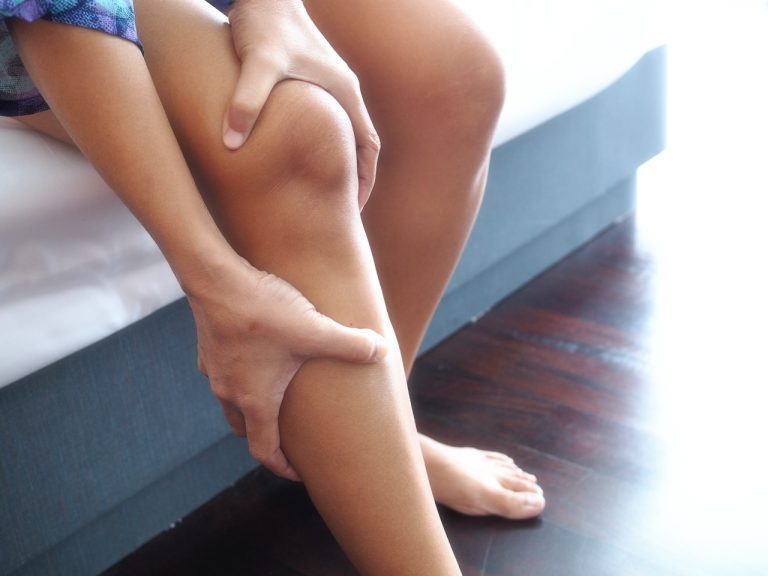
Knee osteoarthritis often develops gradually. Patients may notice stiffness in the morning, aching after walking, swelling after activity, or pain with stairs. The knee may feel tight, full, weak, or harder to bend. Some people also notice grinding, clicking, or reduced range of motion.
When Pain May Be Something Else
Not every painful knee is caused by arthritis. Pain that begins suddenly after a twist, fall, or direct injury may involve ligaments, tendons, cartilage, or other soft tissues. Sharp pain, locking, catching, severe swelling, or inability to bear weight should be evaluated promptly. Even if there was no injury, ongoing pain may still need attention.
Why Pain Location Matters
Arthritis pain may appear on the inside, outside, front, or back of the knee. Pain on one side of the joint may suggest uneven cartilage wear or alignment stress. Pain around the kneecap may be more noticeable with stairs or standing from a chair. Location is helpful, but it is only one part of the diagnosis.
How Symptoms Affect Daily Life
Knee arthritis often becomes concerning when it starts changing behavior. You may walk less, avoid stairs, skip errands, delay travel, or stop activities you enjoy. Pain that changes your routine is worth discussing with a specialist, even if it does not feel severe every day.
Why Imaging and Evaluation Help
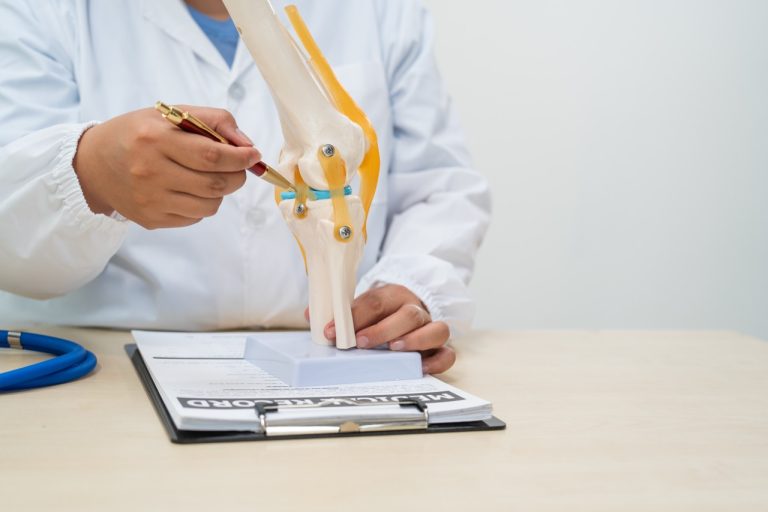
A consultation may include a review of symptoms, medical history, prior treatments, and imaging. This helps determine whether arthritis, inflammation, or another problem may be contributing to pain. Guessing can delay the right care and allow symptoms to become more limiting.
Can Arthritis Be Treated Without Surgery?
Some patients with arthritis may be candidates for nonsurgical knee pain treatment. Depending on the case, minimally invasive options such as genicular artery embolization may also be discussed. Treatment recommendations depend on the diagnosis and severity of symptoms.
Get Clarity About Your Knee Pain
If you are unsure whether your knee pain is arthritis or something else, do not ignore it. Knee Pain Centers of America can help patients better understand symptoms and explore appropriate treatment options. Schedule a consultation to take the next step.