Knee Pain and Weight: What Patients Should Understand
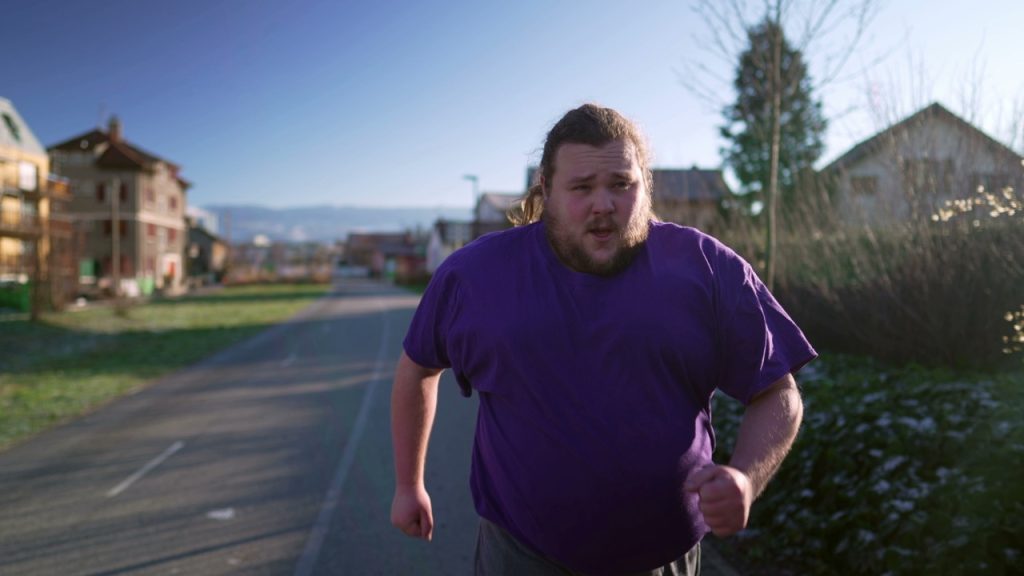
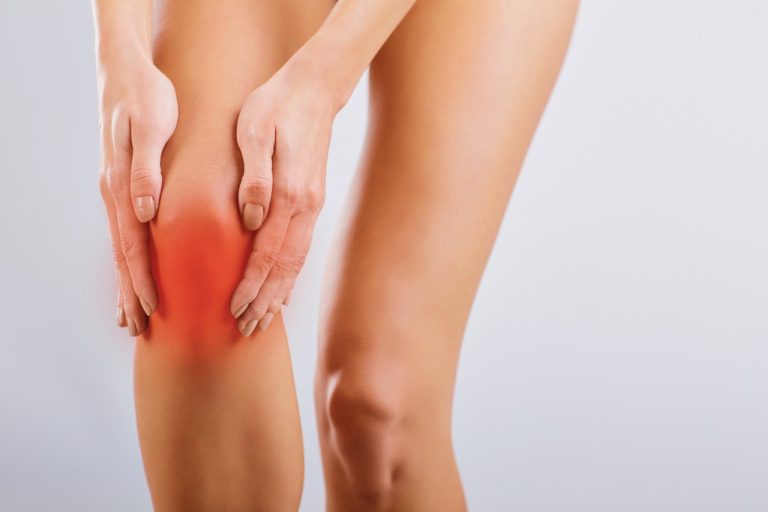
Knee pain can affect people of all body types, activity levels, and ages. However, body weight can play a role in how much pressure the knees experience each day. For patients with knee osteoarthritis, extra joint stress may contribute to pain, swelling, stiffness, and reduced mobility.
This topic should be discussed with care. Knee pain is not a personal failure, and patients should never feel judged for their symptoms. The goal is to understand how the knee works and how reducing stress on the joint may support better comfort.
Why Weight Matters for the Knees
The knees are weight-bearing joints. They help support the body during standing, walking, stairs, bending, and daily movement. Every step places pressure on the knee joint, and that pressure can increase during activities like climbing stairs or getting up from a chair.
When the knee joint is already affected by osteoarthritis, added pressure may make symptoms more noticeable.
Knee Osteoarthritis and Joint Stress
Knee osteoarthritis occurs when cartilage inside the knee joint becomes worn or damaged. Cartilage helps cushion the bones and allows the joint to move smoothly. When it becomes thinner, the knee may feel painful, stiff, swollen, or irritated.
Extra pressure on an arthritic knee can increase discomfort during walking, standing, stairs, and exercise. Some patients notice that pain worsens after busy days or long periods on their feet.
Weight Is Only One Factor
It is important to understand that weight is not the only cause of knee pain. Many factors can contribute, including age, genetics, past injuries, joint alignment, activity level, inflammation, muscle weakness, and arthritis progression.
A person at any weight can develop knee osteoarthritis. A person at any weight can also benefit from a professional evaluation if knee pain is affecting daily life.
How Knee Pain Can Make Activity Harder
One challenge is that knee pain often makes exercise more difficult. When walking, stairs, or movement hurt, it is natural to become less active. Reduced activity can then lead to weaker muscles and less joint support.
This can create a difficult cycle. Pain reduces movement, reduced movement affects strength, and weaker support can make the knee feel worse.
Focus on Mobility, Not Shame
The goal of knee pain care should not be blame. It should be helping patients improve comfort, mobility, and quality of life. Even small improvements in activity, strength, and joint support may make daily movement feel easier.
For some patients, weight management may be part of a larger care plan. For others, the first step may be reducing pain enough to move more comfortably.
When to Seek Knee Pain Treatment
Consider a consultation if:
- Knee pain affects walking or standing
- Stairs are becoming harder
- Your knee swells after activity
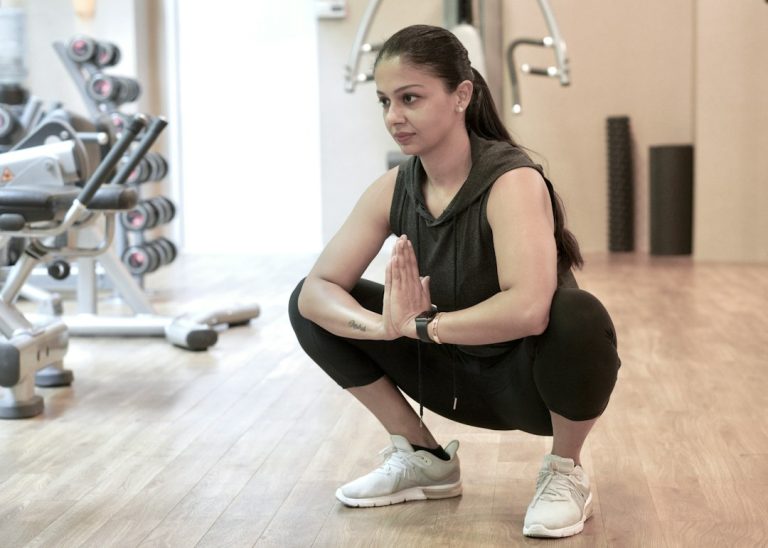
- You avoid exercise because of pain
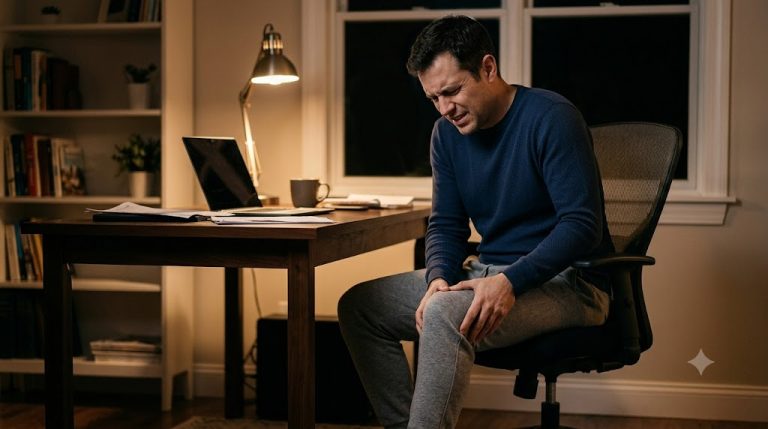
- You have stiffness after sitting
- Pain limits work, errands, or family activities
- Medication or rest is not enough
- You want to explore nonsurgical options
A consultation can help determine whether knee osteoarthritis or another condition may be contributing to your symptoms.
Nonsurgical Options for Knee Osteoarthritis
At Knee Pain Centers of America, patients can explore nonsurgical treatment options designed for knee osteoarthritis. The goal is to help patients reduce pain, improve comfort, and support better mobility.
If knee pain is making it harder to stay active, seeking care may help you take the next step toward movement with more confidence.
Get Support for Knee Pain
You do not have to manage chronic knee pain alone. Schedule a consultation with Knee Pain Centers of America to learn more about your treatment options and whether nonsurgical care may be right for you.