How Knee Pain Can Change Your Exercise Routine
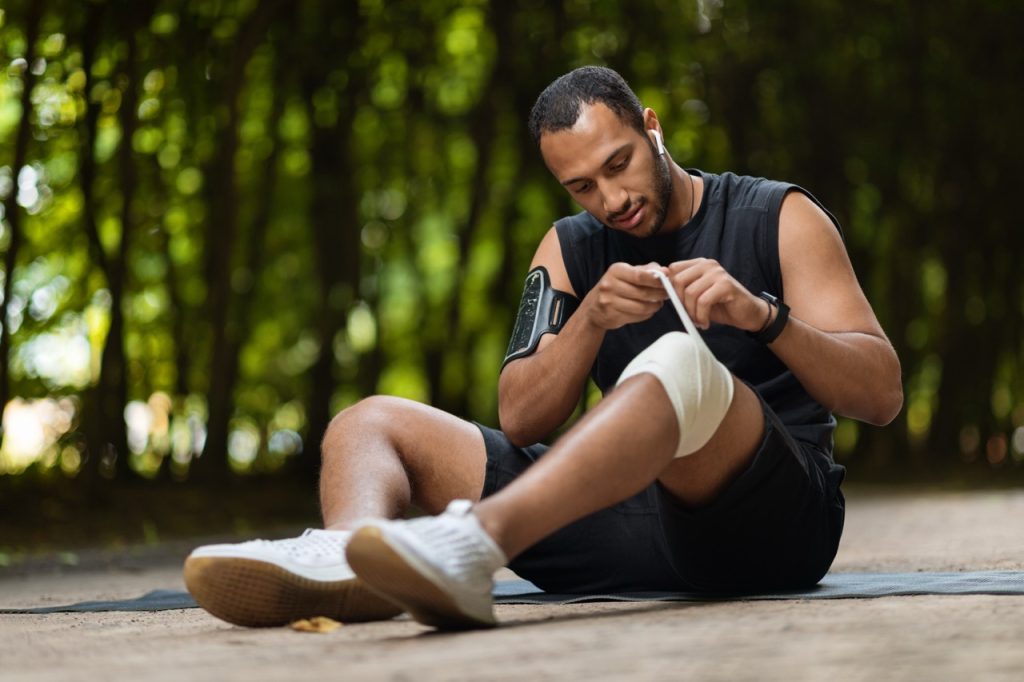
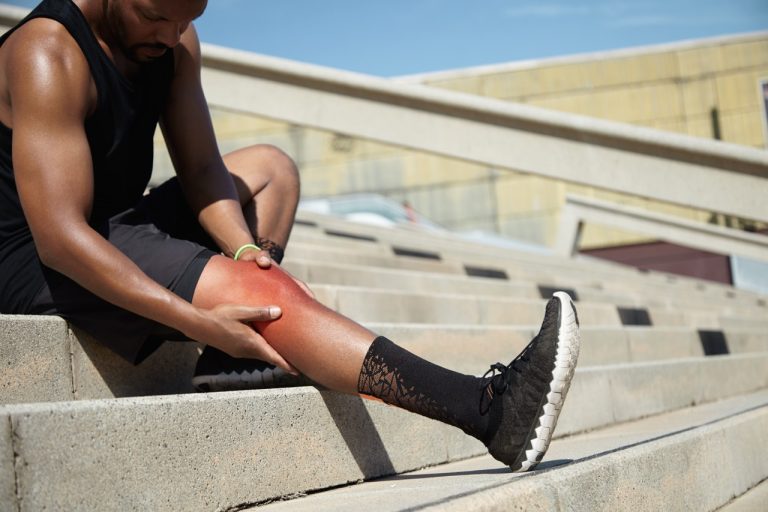
Exercise is important for strength, flexibility, balance, and overall health. But when your knees hurt, staying active can become difficult. You may stop walking, avoid the gym, skip recreational sports, or feel unsure which movements are safe.
Knee pain can change your exercise routine gradually. At first, you may modify certain activities. Over time, you may become less active than you want to be. If knee pain is interfering with your ability to move, it may be time to seek care.
Why Exercise Can Become Painful
The knees support your body during many forms of exercise, including walking, cycling, lifting, stretching, tennis, golf, and fitness classes. If the knee joint is inflamed, stiff, or arthritic, movement may cause discomfort.
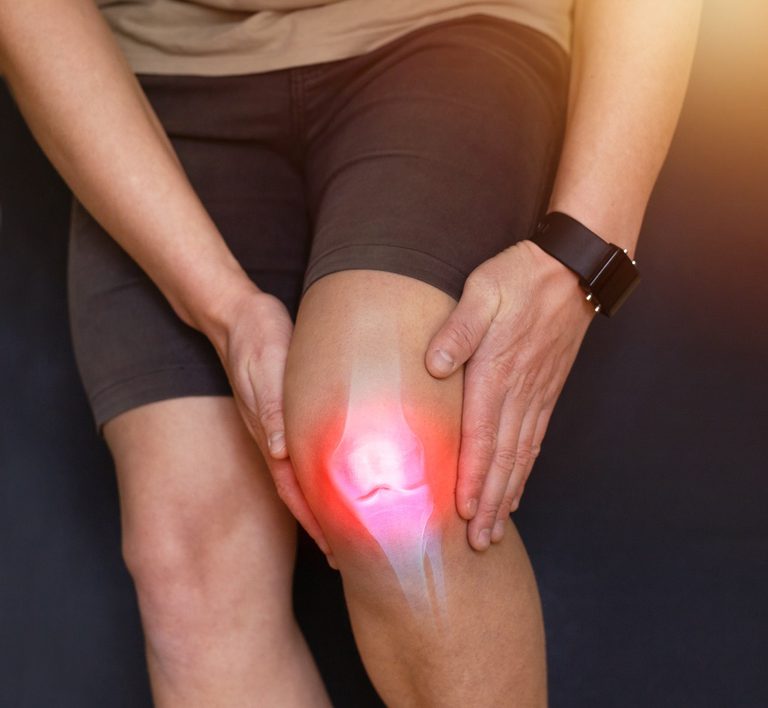
Knee osteoarthritis is a common reason exercise becomes harder. It occurs when cartilage inside the knee joint becomes worn or damaged. As the joint changes, symptoms may include pain, swelling, stiffness, and reduced range of motion.
Common Exercise Changes Caused by Knee Pain
Patients may begin to:
- Walk shorter distances
- Avoid hills or stairs
- Stop running or jogging
- Skip leg exercises
- Avoid squats or lunges
- Exercise less often
- Choose only seated activities
- Stop recreational sports
- Take more rest days than planned
These changes may feel necessary, but they can also reduce strength and endurance over time.
The Risk of Becoming Less Active
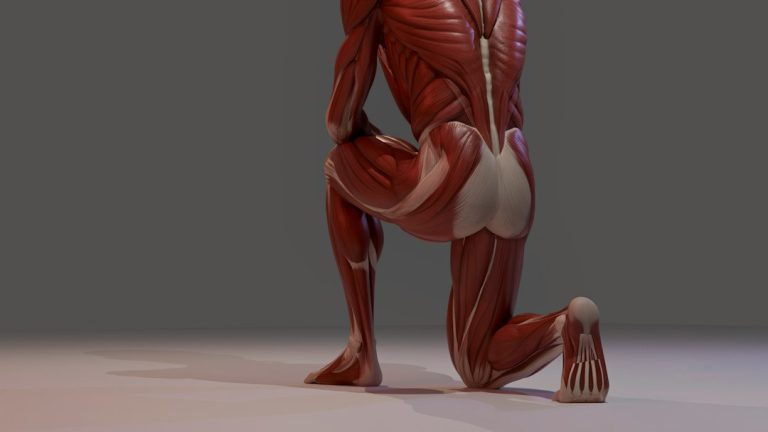
When knee pain causes you to exercise less, the muscles around the knee may weaken. These muscles help support the joint and absorb stress. Less support can make the knee feel less stable and more uncomfortable.
Reduced activity can also affect balance, flexibility, weight management, heart health, and overall energy.
Should You Push Through Knee Pain?
Pushing through significant or recurring knee pain is not always a good idea. Pain that worsens during activity, causes swelling, or lasts after exercise may be a sign that the knee joint is irritated.
Instead of ignoring symptoms, it is better to understand what is causing them. A knee pain consultation can help determine whether osteoarthritis or another condition may be involved.
Finding the Right Activity Level
Not all movement needs to stop because of knee pain. In many cases, staying active in a safe and appropriate way is important. However, the right activity level depends on your symptoms, diagnosis, strength, and treatment plan.
The goal is to support mobility without repeatedly aggravating the knee.
When to Seek Care
You should consider a consultation if:
- Knee pain stops you from exercising
- Your knee swells after activity
- Pain lasts into the next day
- You avoid movements because of fear
- Your knee feels weak or unstable
- Stairs or hills are difficult
- You have reduced your activity significantly
- Rest and medication are no longer enough
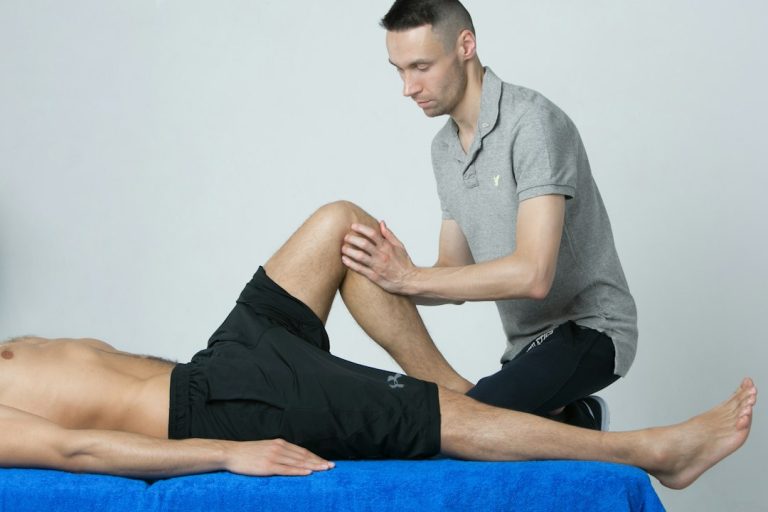
A consultation can help you explore treatment options and make informed choices about movement.
Nonsurgical Treatment for Active Patients
At Knee Pain Centers of America, patients can learn about nonsurgical treatment options for knee osteoarthritis. The goal is to help patients reduce discomfort, improve mobility, and stay active without immediately considering knee replacement surgery.
If knee pain is changing your exercise routine, schedule a consultation to learn more about your options.