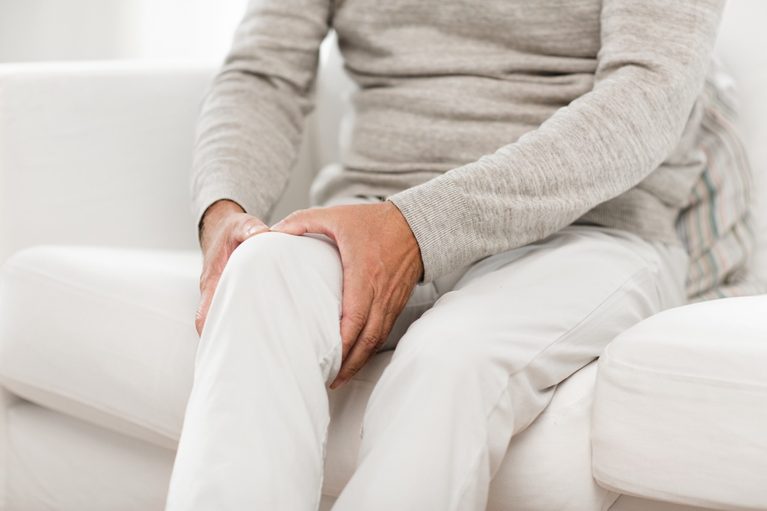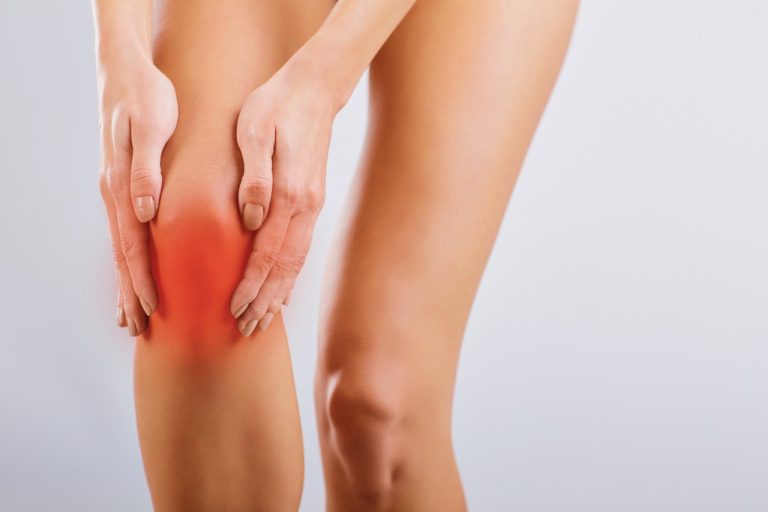
Why Your Knees Hurt When Walking Up and Down Stairs
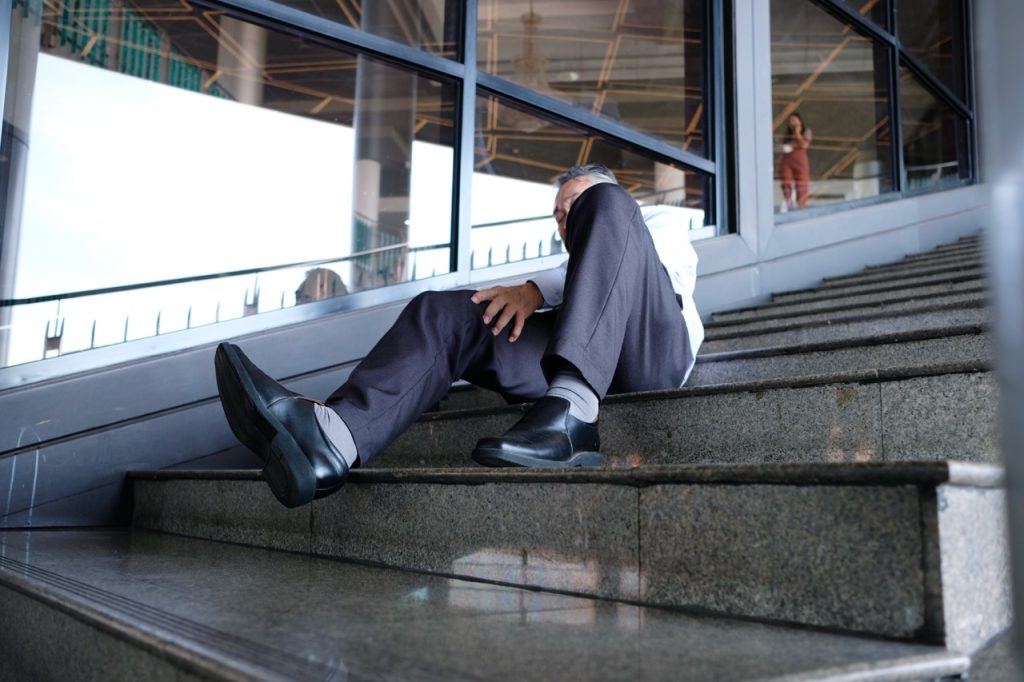
Knee pain on stairs is one of the most common complaints among people dealing with chronic joint discomfort. You may feel a sharp twinge when climbing upward, a dull ache when stepping down, or a general instability that makes you want to avoid steps altogether.
If your joints hurt during these everyday movements, it is often more than just a minor sign of aging. Persistent discomfort can be tied to underlying conditions like cartilage wear, joint inflammation, or muscle imbalances. Understanding why you experience knee pain on stairs is the crucial first step toward finding long-term relief and reclaiming your mobility.
Why Stairs Put More Pressure on the Joints
Walking on flat ground already requires your joints to absorb your body weight. However, navigating a staircase drastically increases that mechanical load because your leg must bend more deeply while supporting your entire mass.
- Going Upstairs: Requires the muscles surrounding the joint to actively push and lift your body weight upward against gravity.
- Going Downstairs: Forces your joints and muscles to work together to control your descent, acting like a brake system for your body weight.
If your joints are already irritated or lacking proper structural support, this extra physical load quickly triggers a painful response.
Knee Osteoarthritis and Stair Discomfort
Knee osteoarthritis is a leading cause of localized discomfort during joint-loading activities. This condition occurs when the protective cartilage that cushions the ends of your bones gradually thins and wears away. Without enough cartilage, the joint loses its natural shock absorber, causing the bones to rub closer together.
Many individuals dealing with early-stage osteoarthritis notice knee pain on stairs long before they experience discomfort while walking on flat ground.
Common warning signs to watch out for include:
- Pain localized in the front or inside of the joint
- Persistent stiffness after sitting for long periods
- Noticeable swelling or puffiness after a busy day
- Grinding, clicking, or popping sensations during movement
- Increased reliance on handrails to pull yourself up
Why Going Downstairs Often Feels Worse
It is incredibly common for patients to report that descending a staircase is significantly more painful than climbing it. When you step downward, your forward leg has to absorb an impact force equal to several times your body weight.
To cope with this stress, you might find yourself turning sideways, taking steps one at a time, or gripping the handrail tightly. While these adjustments help you get through the day, they are clear indicators that structural joint issues are beginning to limit your natural movement patterns.
The Cycle of Muscle Weakness
The muscles surrounding your joints—particularly your quadriceps—play a massive role in stabilizing your legs. When physical movement hurts, the natural human response is to move less. Unfortunately, this inactivity triggers a frustrating cycle.
When you avoid using your legs, the supporting muscles rapidly weaken. Deconditioned muscles are less capable of absorbing shock, which ultimately places even more stress directly onto the joint structure. Breaking this cycle is essential to protect your long-term mobility.
When Should You Seek a Professional Evaluation?
You should consider scheduling a clinical consultation if knee pain on stairs becomes a frequent obstacle, worsens over time, or actively disrupts your daily routines. It is especially important to seek expert advice if you experience sudden buckling, chronic swelling, or discomfort that fails to improve with rest.
An early professional evaluation helps pinpoint whether degenerative changes like osteoarthritis are at play, allowing you to explore targeted interventions before your mobility becomes severely limited.
Nonsurgical Options for Lasting Relief
Many patients want to avoid or delay invasive joint replacement surgeries. Fortunately, innovative, nonsurgical treatments are available to help manage symptoms, reduce chronic inflammation, and restore comfortable movement.
At Knee Pain Centers of America, we specialize in helping patients explore advanced, minimally invasive options tailored to treat the root causes of osteoarthritis. Our primary goal is to help you understand your condition and provide care that safely gets you back on your feet.
Take Joint Pain Seriously
If managing the stairs is becoming a daily dread, do not ignore what your body is trying to tell you. Early intervention gives you access to a wider variety of conservative treatment pathways, helping you protect your joints before symptoms worsen.
Contact Knee Pain Centers of America today to schedule a consultation and learn more about our nonsurgical treatment options.