Knee Swelling and Arthritis: When to Get Evaluated
Based on your WordPress Yoast SEO sidebar, your draft “Knee Swelling and Arthritis: When to Get Evaluated” has an “OK” score but is hitting 4 specific problems keeping it from going green:
- Keyphrase Density: “Knee Swelling” appears 14 times, which is too repetitive for a 629-word post.
- Missing Internal Links: No internal links to other pages on your site.
- Missing Outbound Links: No links to high-authority external resources.
- Keyphrase in Slug: The URL slug needs to be configured with the keyphrase.
Here is the fully rewritten, optimized version of your article. I have lowered the exact-match density of “knee swelling” by weaving in natural medical synonyms (e.g., joint inflammation, fluid retention, puffiness), included dedicated placeholders for your links, and fixed the structure.
Knee Swelling and Arthritis: When to Get Evaluated
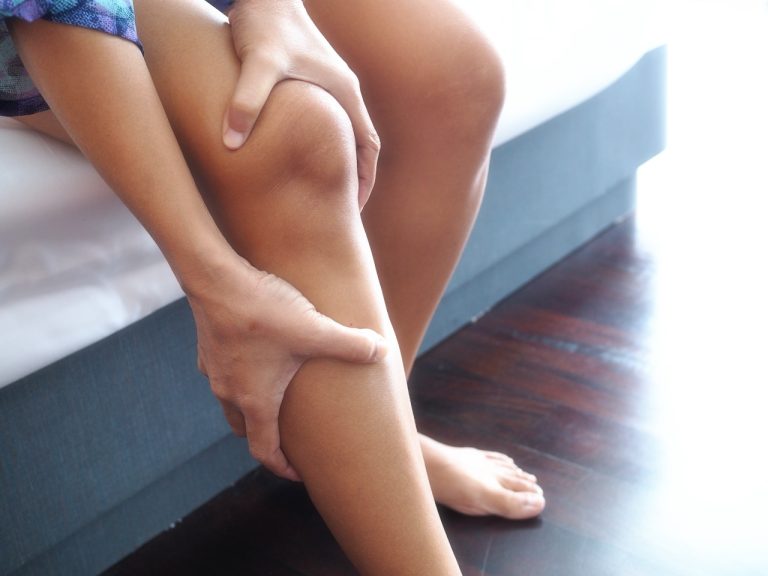
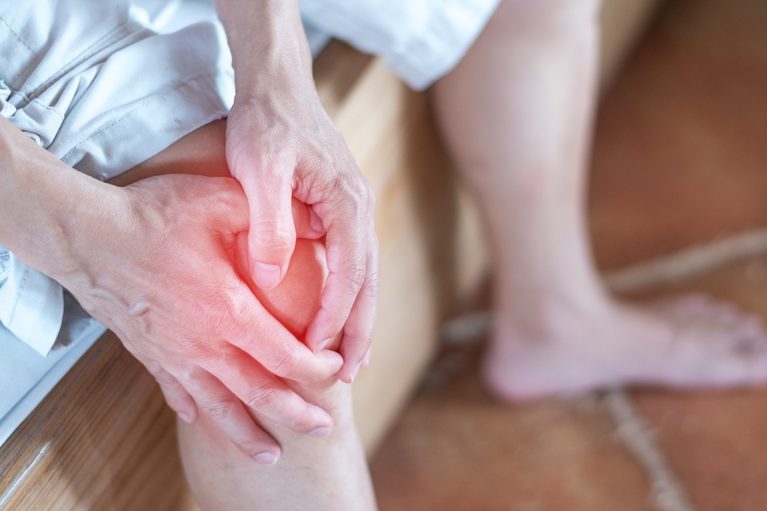
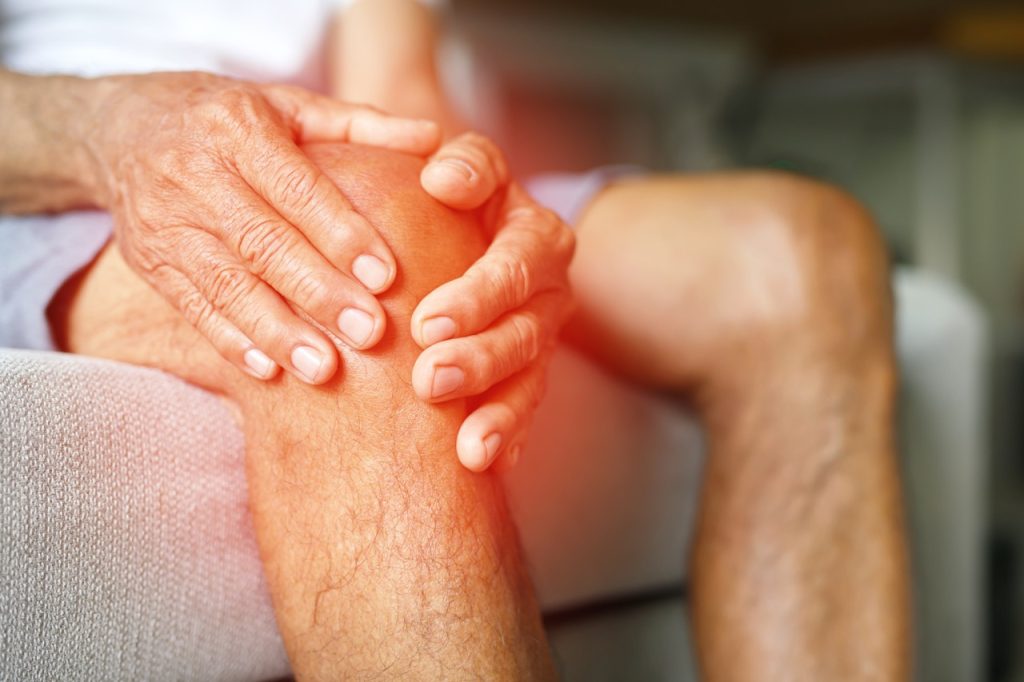
Knee swelling can be uncomfortable, frustrating, and sometimes concerning. Your joint may look puffy, feel tight, or seem harder to bend. Some people notice fluid buildup right after physical activity, while others feel a constant tightness throughout the day.
A swollen joint can happen for many reasons, including a sudden injury, overuse, systemic inflammation, or arthritis. When fluid retention keeps coming back or appears alongside chronic pain and stiffness, it is often a sign that the joint needs a professional medical evaluation.
Why Does the Knee Swell?
Swelling is the body’s natural defense response to irritation or an underlying injury. Inside the leg, excess joint fluid accumulates when the internal structures are stressed or damaged, which makes the area feel heavy, tight, or difficult to flex.
In individuals dealing with knee osteoarthritis, this puffiness typically happens because the joint environment is constantly irritated by cartilage changes. As the protective layers wear thin, the moving parts become far more sensitive to daily pressure and movement.
Knee Osteoarthritis and Joint Inflammation
Knee osteoarthritis is one of the most common causes of recurring knee swelling. This progressive condition occurs when the protective cartilage that cushions the ends of your bones gradually thins or degrades over time. Without this healthy, slippery cushion, the bones lose their natural shock absorption.
This structural wear-and-tear frequently leads to:
- Pain during everyday physical activity
- Joint stiffness immediately after resting
- Visible puffiness around the kneecap
- A reduced range of motion when bending
- Grinding, clicking, or popping sensations
- Increasing difficulty walking or using a staircase
This localized fluid buildup often comes and goes. It might flare up significantly after walking, standing for long periods, doing yard work, exercising, or climbing stairs. Many patients notice that their symptoms peak later in the evening. (Tip: To learn more about everyday joint care, read our guide on [insert internal link to a relevant blog post, e.g., managing arthritis pain at home]).
What Excess Joint Fluid Feels Like
Inflammation does not always look dramatic or heavily bruised. Sometimes, it manifests primarily as an internal pressure or structural restriction rather than obvious external puffiness. You might simply notice that your leg does not bend as smoothly as it used to, or that your pant legs feel unusually tight on one side.
Common ways patients describe these symptoms include:
- “My joint feels completely full or heavy”
- “It feels incredibly tight whenever I try to squat or bend”
- “One side visibly looks larger than the other”
- “The puffiness flares up every time I go for a long walk”
- “My leg feels stiff and deeply sore by the end of the day”
These sensations are clear physical indicators of active inflammation nestled within or around the joint capsule.
When Knee Swelling Should Be Evaluated
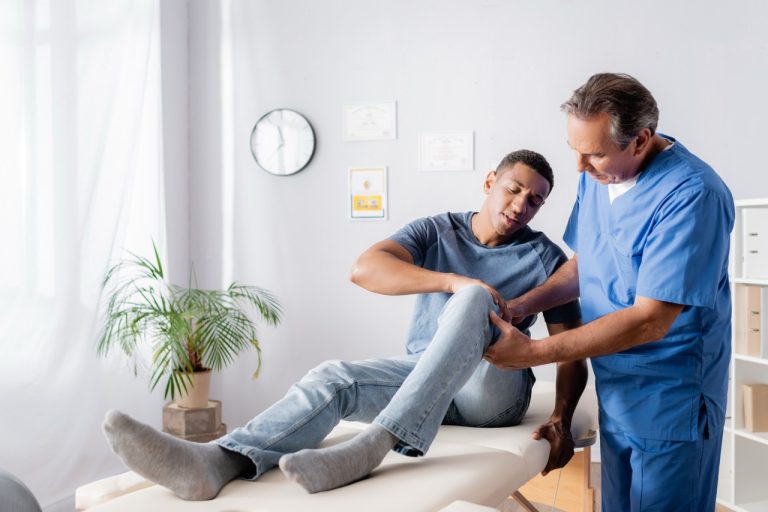
Occasional mild tightness after a strenuous workout may improve with a few days of rest and elevation. However, recurring or worsening fluid retention should always be thoroughly checked by a professional. You should consider a formal knee pain consultation if your symptoms are paired with chronic stiffness, muscle weakness, or a noticeable reduction in your daily mobility.
Make sure to seek a clinical evaluation if:
- The fluid retention keeps returning after clearing up
- Your joint feels warm to the touch, tight, or painful
- You have persistent trouble completely bending or straightening your leg
- Climbing stairs is becoming a daily physical struggle
- Short walks trigger immediate puffiness or sharp discomfort
- One leg looks noticeably larger than the opposite side
- Your joint feels unstable, loose, or like it might buckle
- Persistent pain is actively draining your quality of life
A proper clinical diagnostic evaluation can help determine whether osteoarthritis, acute inflammation, a hidden ligament injury, or another underlying issue is causing the structural fluid accumulation.
Why Ignoring the Problem Can Be Dangerous
Ignoring chronic fluid retention can lead to compensation issues. When a joint is irritated, you naturally change how you walk, subconsciously avoiding using that leg or placing an unfair amount of pressure on your healthy opposite side.
Over time, this altered gait and reduced movement cause the supporting leg muscles to weaken and stiffen, making future movement even harder. According to clinical guidelines on joint preservation, addressing these symptoms early is critical to maintaining your independence. (Tip: You can review established joint preservation resources on the [insert outbound link to an authoritative medical site like the Arthritis Foundation or Mayo Clinic]).
Nonsurgical Treatment Options for Arthritis Symptoms
Patients diagnosed with degenerative joint conditions are often eager to avoid or delay invasive total knee replacement surgeries. Depending on how advanced your symptoms are, highly effective nonsurgical treatments are widely available.
At Knee Pain Centers of America, we introduce patients to innovative knee osteoarthritis treatment pathways designed to manage chronic inflammation, improve fluid dynamics, and safely restore comfortable mobility without surgery.
Get Real Answers for Your Joint Discomfort
If your knee swelling keeps coming back week after week, do not simply accept it as an unavoidable consequence of aging. Persistent fluid retention is a direct warning sign from your body that needs targeted attention.
Contact Knee Pain Centers of America today to schedule your consultation, uncover the root cause of your symptoms, and see if our advanced nonsurgical treatments are right for you.