How Knee Pain Can Affect Balance, Mobility, and Confidence
Knee pain does more than make your knees hurt. It can affect the way you walk, stand, move, and feel about everyday activities. Over time, chronic knee pain can reduce balance, limit mobility, and lower confidence.
For many patients, the biggest frustration is not just the pain itself. It is the loss of freedom that comes with it. You may stop walking as far, avoid stairs, skip social events, or feel nervous on uneven ground. When knee pain starts changing your life, it is time to understand what may be causing it.
Knee Pain Can Change the Way You Walk
When one or both knees hurt, your body naturally tries to avoid pain. You may shift weight to the other leg, shorten your steps, walk more slowly, or avoid bending the knee fully. These changes may help temporarily, but they can place extra stress on other joints and muscles.
Over time, altered walking patterns can affect the hips, back, ankles, and opposite knee. This may create new discomfort and make movement feel even harder.
Knee Osteoarthritis and Reduced Mobility
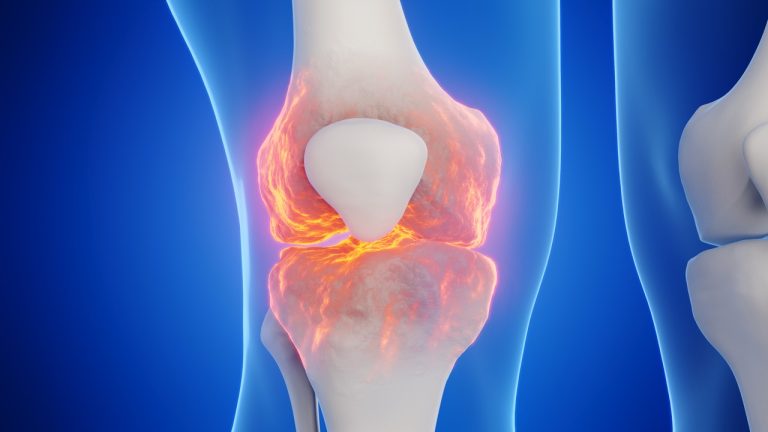
Knee osteoarthritis is a common cause of chronic knee pain and mobility problems. It occurs when the cartilage inside the knee joint becomes worn or damaged. Cartilage helps cushion the joint and allows smooth movement.
When osteoarthritis progresses, patients may experience:
- Pain when walking or standing
- Stiffness after sitting
- Swelling around the knee
- Trouble using stairs
- Reduced range of motion
- Grinding or clicking sensations
- Difficulty staying active
These symptoms can make normal routines feel more difficult.
How Knee Pain Affects Balance
The knees play an important role in balance and stability. When the knee is painful, stiff, swollen, or weak, it may not respond as well during movement. This can make you feel less steady.
Some patients describe the knee as feeling like it may give out. Others feel cautious when walking on grass, stepping off curbs, or going down stairs. Even if you have not fallen, the fear of falling can change your behavior.
You may begin avoiding certain places or activities because you are not confident in your knees.
Confidence Can Decrease Slowly
Loss of confidence often happens gradually. At first, you may use a railing more often. Then you may avoid long walks. Later, you may stop attending events where you know parking will be far away or stairs may be involved.
This can affect emotional well-being. Patients may feel frustrated, dependent, or discouraged because their knees are limiting the life they want to live.
Why Staying Mobile Matters
Mobility is important for independence, strength, circulation, and overall health. When knee pain causes you to move less, the muscles around the knee may weaken. Weaker muscles can make the joint feel less supported, which may worsen discomfort and instability.
This cycle can make it harder to stay active. That is why early evaluation and treatment planning are important.
When to Seek Knee Pain Care
You should consider a consultation if knee pain is affecting your balance, confidence, or daily movement. Warning signs may include:
- Feeling unsteady on stairs
- Avoiding walks or errands
- Needing support when standing
- Worrying about falling
- Walking slower than usual
- Feeling weakness in the knee
- Pain that limits normal activities
A knee pain evaluation can help identify whether osteoarthritis or another condition may be involved.
Nonsurgical Knee Pain Treatment Options
At Knee Pain Centers of America, patients can explore nonsurgical treatment options for knee osteoarthritis. The goal is to help patients reduce pain, improve comfort, and move with more confidence.
If knee pain is affecting your balance or mobility, schedule a consultation to learn more about your options.