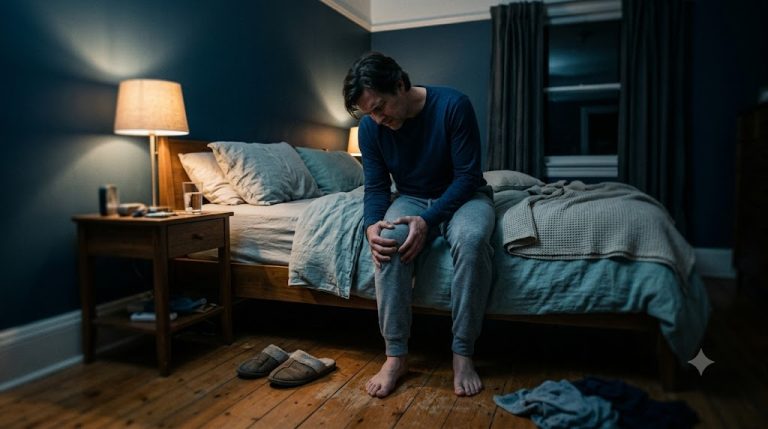
The Difference Between Occasional Knee Pain and Chronic Knee Pain

Almost everyone experiences knee pain at some point. A long walk, a workout, yard work, or a busy day on your feet can leave your knees feeling sore. In many cases, occasional discomfort improves with rest.
But when knee pain keeps coming back, lasts for weeks, or starts affecting daily life, it may be chronic knee pain. Understanding the difference can help you know when it may be time to seek care.
What Is Occasional Knee Pain?
Occasional knee pain usually has a clear trigger. It may happen after extra activity, standing too long, or moving in a way your body is not used to. This type of discomfort often improves with rest, gentle movement, or time.
Occasional knee pain may feel like mild soreness or temporary stiffness. It should not regularly interfere with walking, sleep, stairs, or your normal routine.
What Is Chronic Knee Pain?
Chronic knee pain is different. It may last for several weeks or months, return frequently, or become part of your everyday life. You may not always know what caused it, and it may not fully improve with rest.
Chronic knee pain may be connected to knee osteoarthritis, cartilage wear, inflammation, past injury, or joint degeneration. It can affect how you walk, how active you are, and how confident you feel moving.
Signs Your Knee Pain May Be Chronic
Your knee pain may need evaluation if you notice:
- Pain that keeps returning
- Stiffness after sitting or sleeping
- Swelling around the knee
- Pain when using stairs
- Trouble walking longer distances
- Reduced range of motion
- Clicking, grinding, or popping with pain
- Feeling unstable or weak
- Avoiding activities because of knee discomfort
These symptoms may suggest that the knee joint is irritated or affected by osteoarthritis.
Why Chronic Knee Pain Should Not Be Ignored
Ignoring chronic knee pain can lead to changes in movement. You may begin favoring one leg, walking differently, or avoiding activity. This can place stress on other areas of the body, including the hips, back, and opposite knee.
Reduced activity can also weaken the muscles that support the knee. As support decreases, symptoms may become more noticeable.
Knee Osteoarthritis as a Common Cause
Knee osteoarthritis is one of the most common causes of chronic knee pain. It occurs when protective cartilage in the knee joint wears down over time. This can lead to pain, stiffness, swelling, and reduced mobility.
Because osteoarthritis often develops slowly, many people dismiss the early symptoms. They may not seek help until pain starts interfering with daily life.
When to Schedule a Consultation
If your knee pain is occasional and improves quickly, it may not be a major concern. But if pain is ongoing, worsening, or limiting your activities, an evaluation can help you understand the cause.
You should consider scheduling a consultation if knee pain affects walking, stairs, sleep, work, exercise, or independence.
Nonsurgical Knee Pain Treatment May Be an Option
At Knee Pain Centers of America, patients can explore nonsurgical treatment options for knee osteoarthritis. The goal is to help patients manage chronic knee pain, improve comfort, and stay active without immediately turning to knee replacement surgery.
Listen to What Your Knees Are Telling You
Occasional soreness may pass, but chronic knee pain deserves attention. If your knees are limiting your life, getting answers can help you make informed choices.
Schedule a consultation with Knee Pain Centers of America to learn more about your treatment options.