Why Early Treatment Matters for Knee Pain

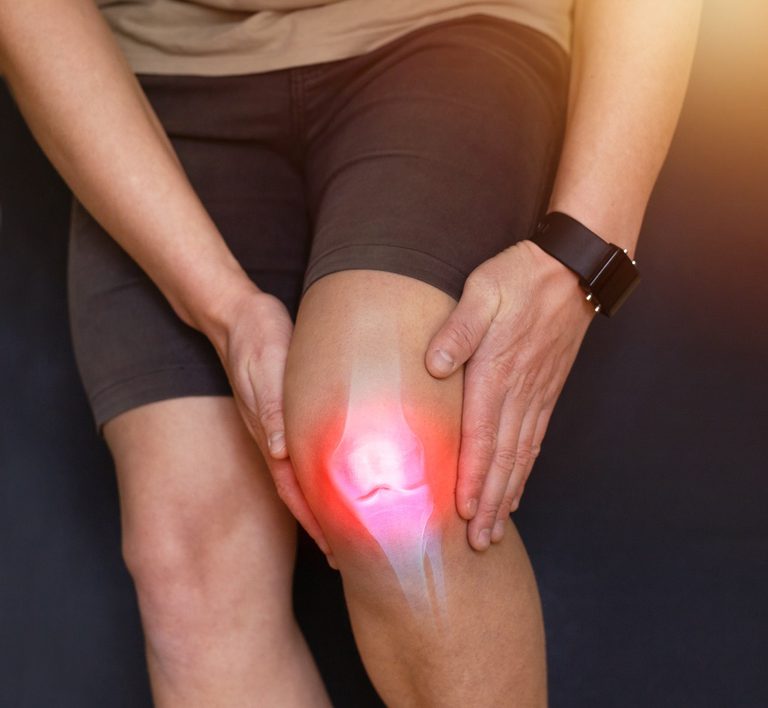
Knee pain often starts small. You may feel a little stiffness in the morning, soreness after walking, or discomfort when climbing stairs. At first, it may seem easy to ignore. Many people assume the pain will go away on its own or that it is simply part of getting older.
But when knee pain keeps returning, early treatment matters. Getting evaluated sooner can help you understand what is causing your symptoms, explore treatment options, and take steps before pain becomes more limiting.
Knee Pain Can Progress Over Time
Not all knee pain is serious, but ongoing symptoms should not be dismissed. Chronic knee pain may be connected to knee osteoarthritis, inflammation, cartilage changes, or joint irritation.
Knee osteoarthritis often develops gradually. As the protective cartilage in the knee changes, patients may notice pain, swelling, stiffness, or reduced mobility. These symptoms may come and go at first, but they can become more frequent over time.
Small Symptoms Can Lead to Bigger Limitations
Many patients slowly adjust their routines without realizing it. You may stop taking stairs, walk shorter distances, avoid exercise, or choose parking spots closer to the door. These changes may seem minor, but they can be signs that knee pain is beginning to affect daily life.
Over time, reduced activity can lead to muscle weakness. The muscles around the knee help support and stabilize the joint. When those muscles weaken, the knee may feel less stable and more painful during movement.
Early Evaluation Can Provide Answers
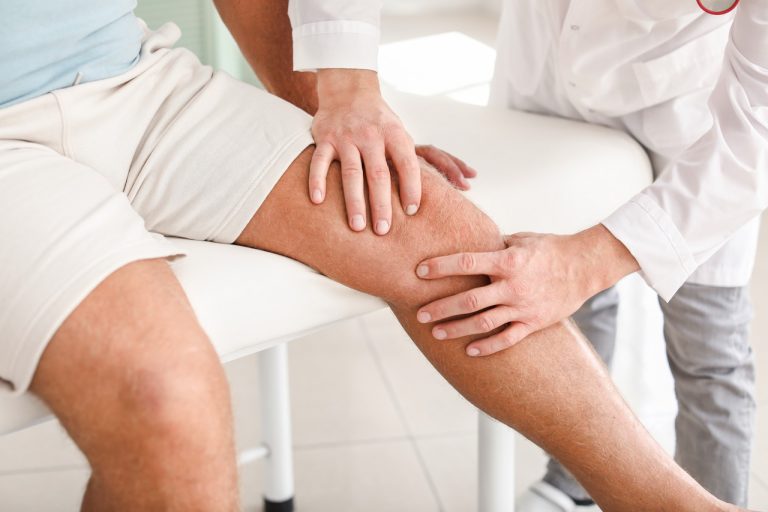
A knee pain consultation can help identify whether osteoarthritis or another condition may be contributing to your symptoms. It can also help you understand how advanced the problem may be and what treatment options are available.
Early evaluation does not mean you need immediate surgery or major treatment. It means you are getting the information you need to make better decisions about your health and mobility.
Why Waiting Can Make Knee Pain More Frustrating
Many people wait until knee pain becomes severe before seeking care. By that point, they may already be avoiding activities they love. Stairs, errands, exercise, work, and family events may feel harder than they used to.
Waiting can also increase uncertainty. Patients may worry that knee replacement surgery is their only option, even though nonsurgical options may be available for certain patients.
Early Treatment May Help Preserve Mobility
The goal of early knee pain treatment is to help patients manage symptoms, improve comfort, and stay active. When pain is addressed before it takes over daily life, patients may be better able to maintain strength, movement, and confidence.
Even if knee osteoarthritis cannot be reversed, symptoms may still be managed. Treatment can help patients better understand their condition and take steps toward improved comfort.
When Should You Seek Knee Pain Care?
You should consider a consultation if:
- Knee pain lasts more than a few weeks
- Pain keeps returning after activity
- Stairs are becoming difficult
- Your knee feels stiff after sitting
- Swelling happens after walking or standing
- You are avoiding activities because of pain
- Medication or rest is no longer enough
- You are worried about knee replacement surgery
These signs may indicate that your knee pain deserves professional attention.
Explore Nonsurgical Knee Pain Options
At Knee Pain Centers of America, patients can learn about innovative, nonsurgical treatment options for knee osteoarthritis. The goal is to help patients reduce pain, improve mobility, and return to daily activities with more confidence.
If knee pain is starting to affect your routine, do not wait until it becomes unbearable. Schedule a consultation to learn more about your options.