How Knee Pain Can Limit the Activities You Love

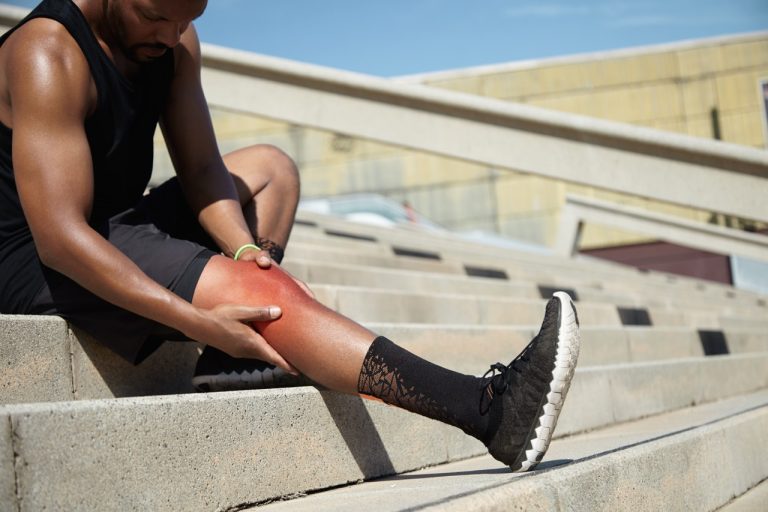
Knee pain can slowly take away parts of life that once felt entirely simple. At first, you may choose to skip an afternoon walk, avoid a flight of stairs, or sit out during a fun family activity. Over time, those small daily choices can turn into a restrictive pattern.
For many patients, chronic joint discomfort is incredibly frustrating because it does not just impact physical movement. It subtly chips away at your independence, confidence, social life, and hobbies. When chronic pain stops you from enjoying your favorite routines, it is often a sign of an underlying degenerative condition like knee osteoarthritis. Understanding the root cause of your symptoms is the first step toward reclaiming your active lifestyle.
Knee Osteoarthritis Can Change Your Daily Routine
Your knees are involved in almost every major physical movement. Walking through a grocery store, getting out of a car, standing at the kitchen counter, climbing a staircase, or playing on the floor with grandchildren can all become difficult when your joints ache.
Many people begin subconsciously planning their entire day around their physical limitations. You might find yourself choosing shorter errands, deliberately avoiding multi-level buildings, or declining social invitations that require prolonged standing. While these shifts may temporarily help you avoid immediate discomfort, they also make your world feel much smaller.
Why Cartilage Damage Is a Common Cause
Among adults experiencing persistent joint stiffness and swelling, knee osteoarthritis is one of the most common causes. This progressive condition occurs when the protective cartilage that cushions the ends of your leg bones gradually thins or wears away. As this natural shock absorber degrades, the friction inside the joint capsule increases, leading to localized pain, deep inflammation, and a reduced range of motion.
Because these changes develop gradually over several years, many individuals do not realize how much they have adapted their behavior until they have completely stopped participating in activities they once loved.
Everyday Activities Affected by Joint Pain
Chronic joint discomfort and knee osteoarthritis can severely interfere with:
- Walking for exercise or recreation
- Navigating staircases confidently
- Shopping, running basic errands, and traveling
- Gardening, yard work, or house maintenance
- Playing golf, tennis, or other recreational sports
- Attending family gatherings and community events
- Playing with children or grandchildren
- Standing comfortably during a work shift
- Getting a restful night’s sleep
When ongoing discomfort limits these baseline activities, it drastically impacts both your physical health and emotional well-being.
Reduced Activity Can Make Your Symptoms Worse
When physical movement hurts, the natural human response is to move less. Unfortunately, avoiding activity triggers a frustrating cycle. The muscles surrounding your joints—particularly your quadriceps and hamstrings—play a massive role in absorbing impact and stabilizing your leg.
When you stop moving, those supporting muscles rapidly weaken and stiffen. Deconditioned muscles are far less capable of handling shock, which ultimately forces your vulnerable joint to absorb even more mechanical weight. This creates a downward spiral: pain leads to less movement, less movement causes muscle weakness, and weakness makes future physical activity even more painful. (Tip: To learn more about breaking this cycle safely, read our guide on [insert internal link to a relevant blog post about joint exercises or physical therapy here]).
Why Structural Confidence Matters
Persistent joint stress does not just hurt your body; it also damages your confidence. You may live with a constant fear of falling, losing your balance on uneven ground, or simply not being able to keep up with your friends and family. This anxiety can make you hesitant to leave the house or join in on events, even when you deeply want to go.
Regaining your physical confidence starts with obtaining an accurate medical evaluation to identify exactly how far your knee osteoarthritis has progressed.
When to Seek a Professional Evaluation
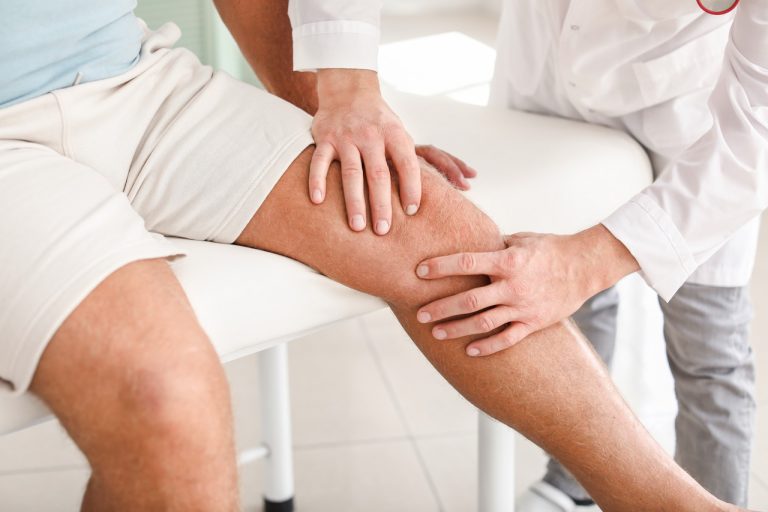
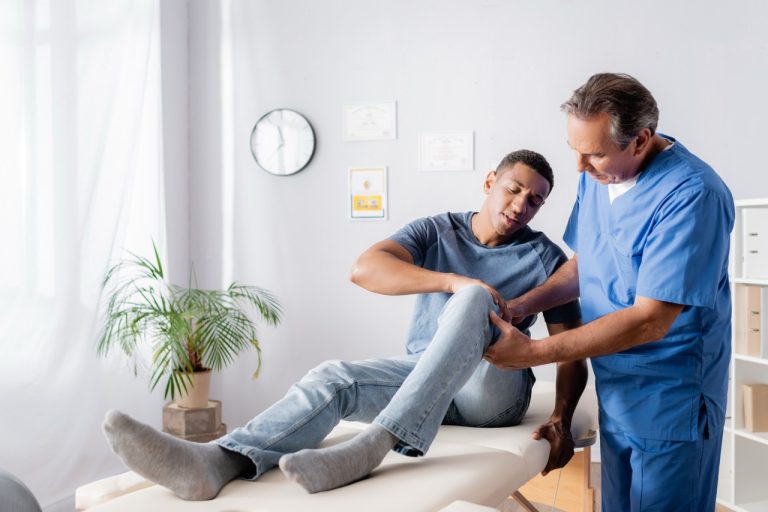
According to leading clinical standards for joint preservation, early intervention is vital to protecting your long-term independence. (Tip: You can read more about established conservative care standards directly from the [insert outbound link to an authoritative medical site like the Arthritis Foundation or Mayo Clinic here]). You should consider a professional knee pain consultation if your discomfort is becoming more frequent, or if you notice any of these warning signs:
- You are actively avoiding hobbies or routines you enjoy
- You require extended rest or ice packs after light physical activity
- Your joint feels unstable, loose, or like it might buckle
- Over-the-counter anti-inflammatories no longer offer relief
- Stiffness makes it hard to stand up after sitting
Nonsurgical Treatment Options May Help
Many patients dealing with joint degeneration want to avoid or delay invasive total knee replacement surgeries. Fortunately, advanced medical treatments are widely available that require no major surgery or hospital stays.
At Knee Pain Centers of America, we specialize in helping patients explore innovative, nonsurgical treatment pathways specifically tailored to manage knee osteoarthritis. Our core goal is to reduce your chronic inflammation, improve joint lubrication, and help you return to the active lifestyle you love with renewed confidence.
If joint pain is keeping you on the sidelines of your own life, do not wait for the symptoms to become unbearable. Schedule a comprehensive consultation today to discover your conservative treatment options.