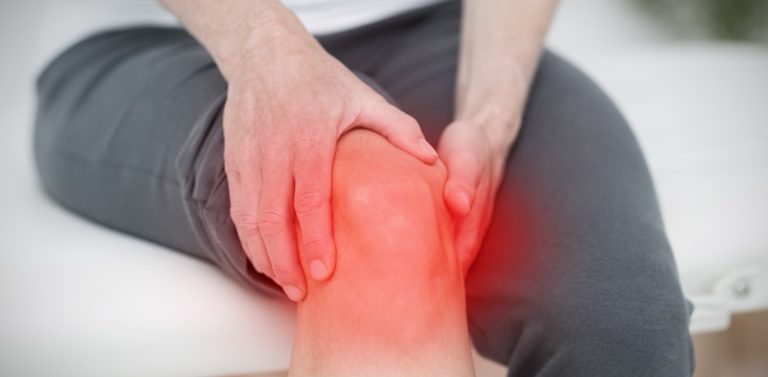
What to Do When Knee Pain Keeps Coming Back
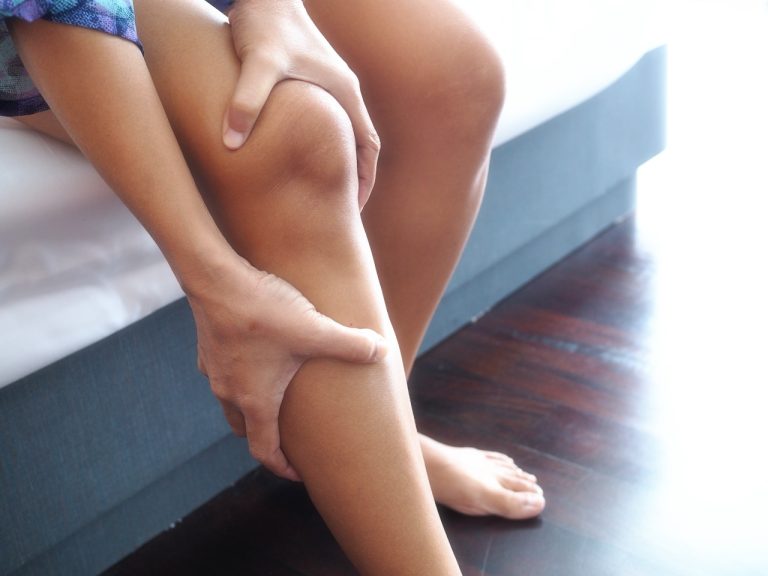
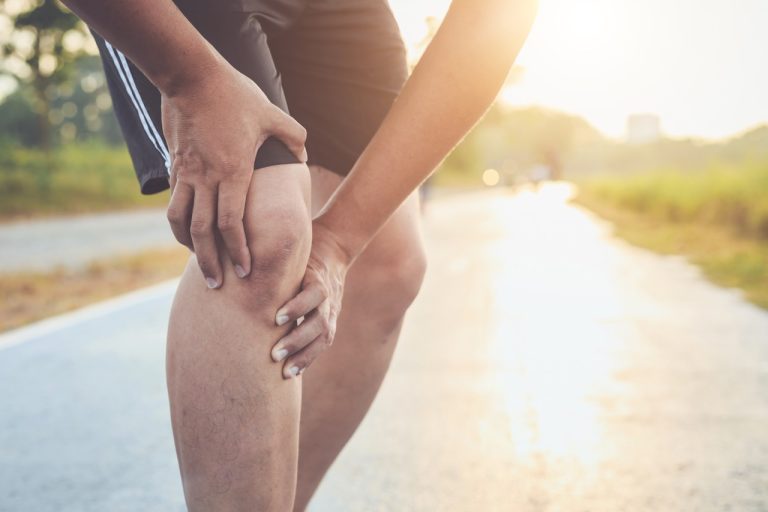
Knee pain that comes and goes can be confusing. Some days may feel manageable, while other days make walking, stairs, or standing difficult. You may rest, take medication, or avoid activity for a while, only for the pain to return again later.
If knee pain keeps coming back, it may be a sign of an underlying condition such as knee osteoarthritis, inflammation, cartilage wear, or joint irritation. Recurring pain should not be ignored, especially when it begins affecting your daily life.
Why Knee Pain May Return
Knee pain can return for many reasons. Sometimes the joint becomes irritated after activity. Other times inflammation builds up after standing, walking, or climbing stairs. If the knee has arthritis, normal daily movement may continue to trigger symptoms.
Recurring pain often means the source of the problem has not been fully addressed.
Knee Osteoarthritis and Recurring Symptoms
Knee osteoarthritis is a common cause of pain that keeps coming back. It occurs when the cartilage inside the knee joint becomes worn or damaged. As the joint changes, symptoms may flare with activity and improve with rest, only to return again later.
Patients may notice recurring:
- Pain while walking
- Stiffness after sitting
- Swelling after activity
- Trouble using stairs
- Aching at night
- Grinding or clicking
- Reduced mobility
- Weakness or instability
These symptoms can become more frequent over time.
Temporary Relief Does Not Always Mean the Problem Is Gone
Rest, medication, ice, or activity changes may help for a short time. However, if symptoms return whenever you resume normal activities, your knee may need further evaluation.
Temporary relief can be helpful, but it does not always address the underlying cause of chronic knee pain.
How Recurring Knee Pain Affects Daily Life
Pain that keeps coming back can make it hard to plan your day. You may avoid walks, errands, family events, or exercise because you are unsure how your knee will feel. This uncertainty can reduce confidence and independence.
Over time, reduced activity may lead to weaker muscles, more stiffness, and less support for the knee joint.
When to Seek Care
You should consider a knee pain consultation if:
- Knee pain keeps returning
- Pain affects walking or stairs
- You have swelling or stiffness
- Rest only helps temporarily
- You avoid activities because of pain
- Medication is no longer enough
- Your knee feels weak or unstable
- Symptoms are becoming more frequent
A consultation can help determine whether knee osteoarthritis or another condition may be contributing to your pain.
What to Expect From a Consultation
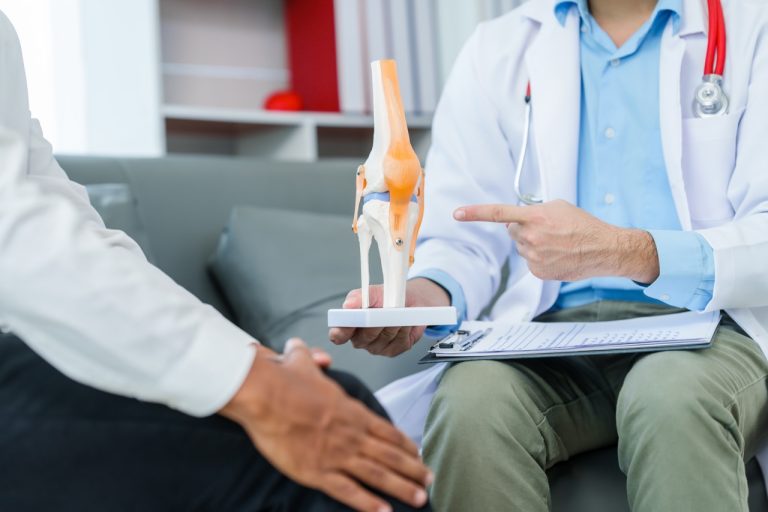
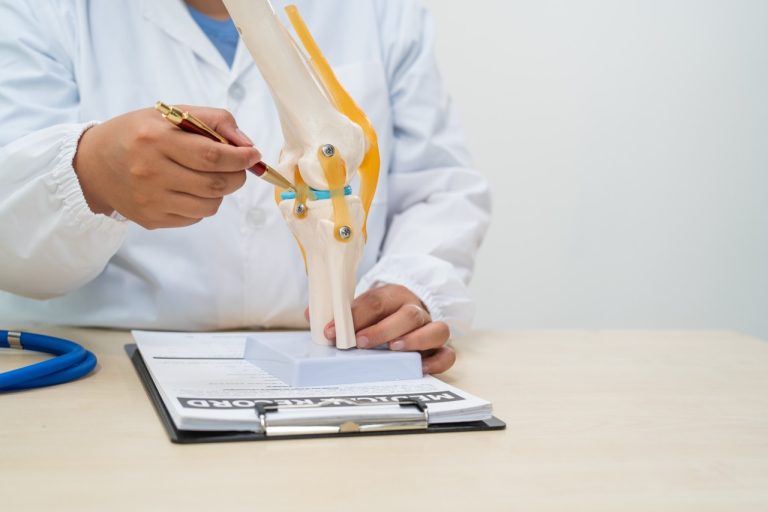
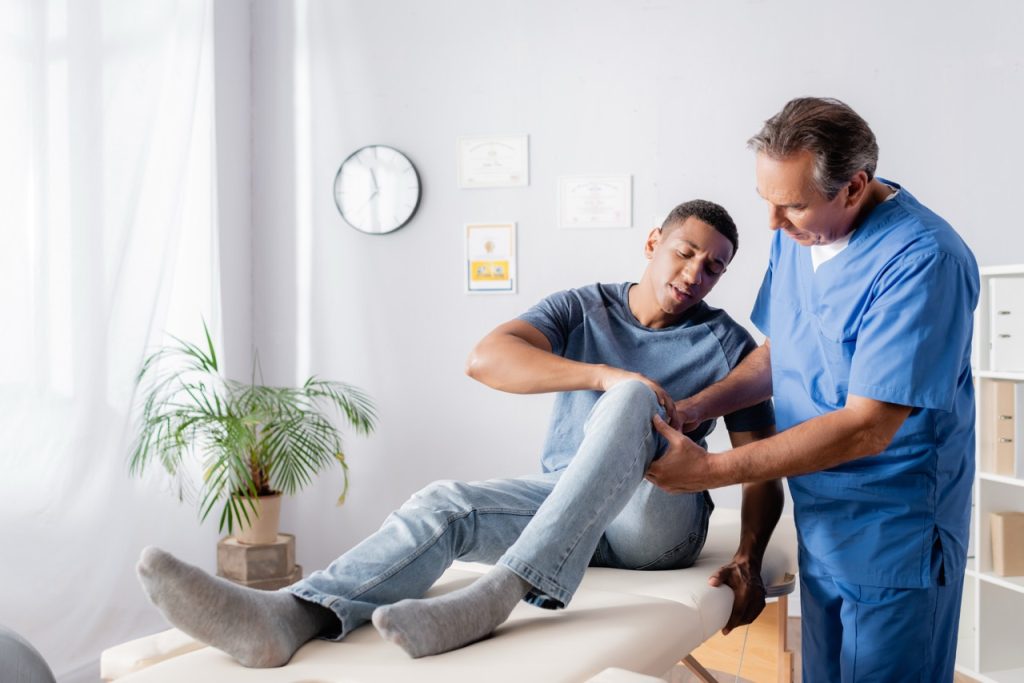
During a knee pain consultation, your provider may ask about your symptoms, medical history, activity level, and treatment goals. They may also evaluate your knee movement, discomfort, swelling, and function.
This helps create a clearer picture of what may be causing recurring pain and whether nonsurgical treatment may be appropriate.
Explore Nonsurgical Knee Pain Treatment
At Knee Pain Centers of America, patients can explore nonsurgical treatment options for knee osteoarthritis. The goal is to help patients reduce pain, improve comfort, and return to daily activities with more confidence.
If knee pain keeps coming back, do not keep waiting for it to disappear on its own. Schedule a consultation to learn more about your options.