What Your Knee Pain Location May Say About the Cause

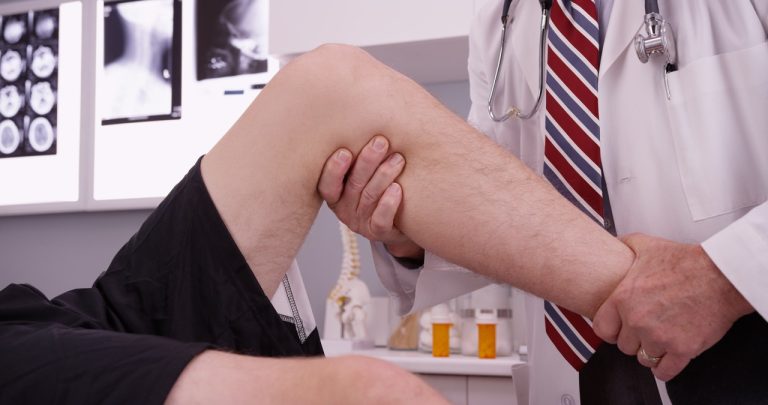
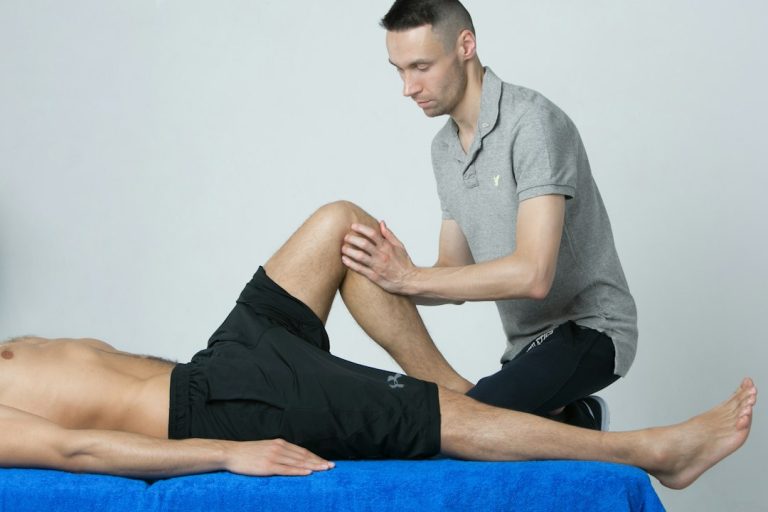
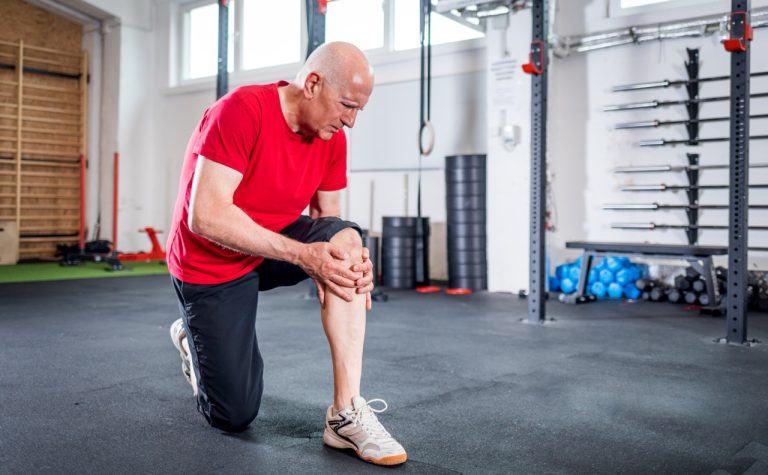
Where you feel knee pain can provide useful clues, although it does not tell the full story by itself. Some patients feel pain on the inside of the knee. Others notice pain in the front, outside, or back of the joint. Location can help guide the conversation during a knee pain evaluation.
Inside Knee Pain
Pain on the inside of the knee is common in patients with knee osteoarthritis. The inner part of the knee often handles significant pressure during walking and standing. If cartilage changes are greater in this area, pain may feel more noticeable on one side of the joint.
Outside Knee Pain
Outer knee pain may be related to arthritis, soft tissue irritation, joint stress, alignment changes, or overuse. Some patients develop outside knee discomfort after they begin walking differently to protect the painful side. This compensation can create new stress patterns.
Front Knee Pain
Pain in the front of the knee may be worse with stairs, squatting, kneeling, or standing from a chair. It may involve the kneecap area, cartilage changes, inflammation, or muscle weakness. Many patients describe front knee pain as pressure, aching, or discomfort behind the kneecap.
Back of Knee Pain
Pain behind the knee can have several causes, including swelling, joint irritation, soft tissue strain, or a fluid-filled area related to inflammation. If the back of the knee feels tight or swollen, evaluation is important, especially if symptoms affect walking or bending.
Why Location Is Only One Clue
Knee pain location helps, but it is not enough to diagnose the problem. A provider also considers when pain occurs, how long it has been present, whether swelling is involved, what activities make it worse, and how symptoms affect daily life. Imaging and medical history may also be needed.
When Pain Location Changes
Some patients notice pain in one area at first, then develop discomfort elsewhere. This may happen when movement patterns change. A limp, shorter stride, or uneven weight bearing can place stress on other parts of the joint. This is one reason ongoing knee pain should be evaluated.
Explore Treatment Options
The right treatment depends on the cause of pain. Patients with arthritis-related pain may be candidates for nonsurgical knee pain treatment or minimally invasive options such as genicular artery embolization. If knee pain location is changing how you move, schedule a consultation.