
How to Take the Next Step When Knee Pain Is Limiting Your Life
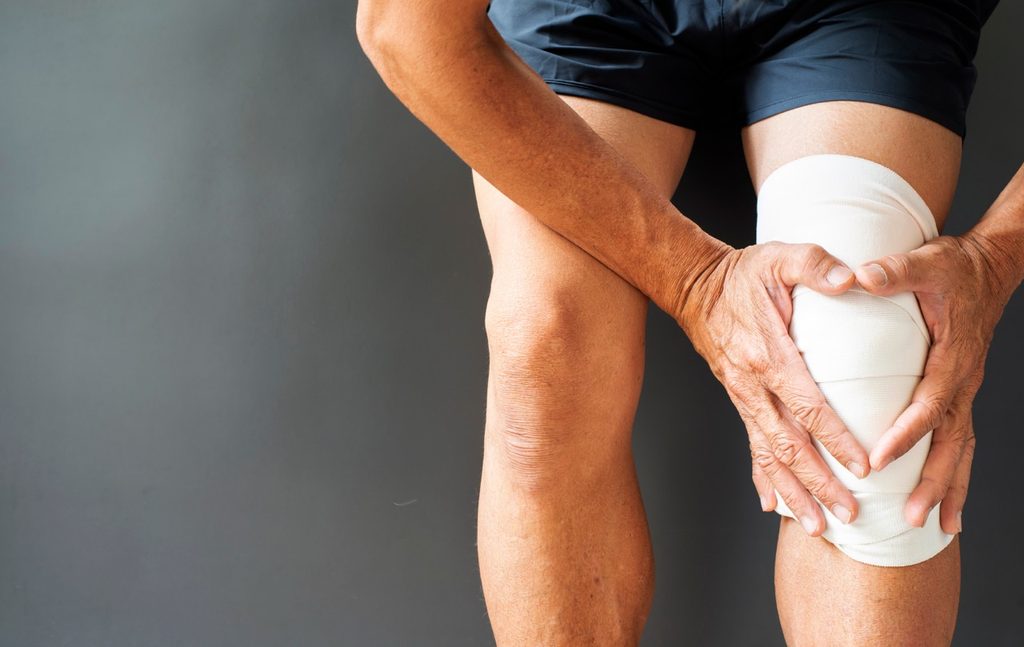
Knee pain can start as a small inconvenience and slowly become a major limitation. You may begin avoiding stairs, walking shorter distances, skipping events, or planning your day around how your knees feel. When knee pain starts controlling your choices, it is time to take the next step.
Chronic knee pain may be connected to knee osteoarthritis, inflammation, cartilage changes, or joint stress. A consultation can help you understand what is causing your symptoms and what treatment options may be available.
Recognize How Knee Pain Is Affecting You
Many people minimize their symptoms. They tell themselves they are just getting older or that the pain is not bad enough to seek care. But knee pain does not have to be severe to affect quality of life.
Ask yourself:
- Am I avoiding activities because of knee pain?
- Are stairs becoming harder?
- Do I walk less than I used to?
- Does my knee swell after activity?
- Do I feel stiff after sitting?
- Is pain affecting my sleep?
- Am I worried about needing knee replacement surgery?
- Do I rely more on rest or medication than before?
If you answered yes to any of these, your knee pain may deserve attention.
Understand That Pain Is a Signal
Pain is your body’s way of telling you something needs attention. Knee pain may come from inflammation, arthritis, joint irritation, weakness, or changes in cartilage.
Knee osteoarthritis is a common cause of chronic knee pain. It occurs when cartilage inside the knee joint becomes worn or damaged. This can lead to pain, stiffness, swelling, reduced mobility, and difficulty with everyday movement.
Stop Waiting for It to Go Away
Occasional soreness may improve with rest, but chronic knee pain often returns. If symptoms keep coming back after walking, standing, stairs, or exercise, waiting may not solve the problem.
Delaying care can allow pain to affect more areas of life. You may become less active, lose strength, and feel less confident moving.
Schedule a Knee Pain Consultation
The next step is getting evaluated. A consultation can help identify what may be causing your symptoms and whether you may be a candidate for nonsurgical treatment.
This visit is also a chance to ask questions, discuss your goals, and understand your options before making decisions about care.
Think About Your Goals
Treatment should be connected to your life. Your goal may be walking through a store with less pain, standing at work, traveling, exercising, playing with grandchildren, or avoiding knee replacement surgery.
Sharing these goals during your consultation can help guide the conversation.
Explore Nonsurgical Treatment Options
At Knee Pain Centers of America, patients can learn about nonsurgical treatment options for knee osteoarthritis. These options may help certain patients reduce pain, improve comfort, and stay active without immediately considering surgery.
Not every patient is a candidate, but getting evaluated can help you know where you stand.
Take Action Before Pain Takes Over
If knee pain is limiting your life, you do not have to keep adjusting everything around it. Schedule a consultation with Knee Pain Centers of America to learn more about your options and take the next step toward better mobility.