5 Common Signs Your Knee Pain May Be Osteoarthritis

5 Common Signs Your Knee Pain May Be Osteoarthritis
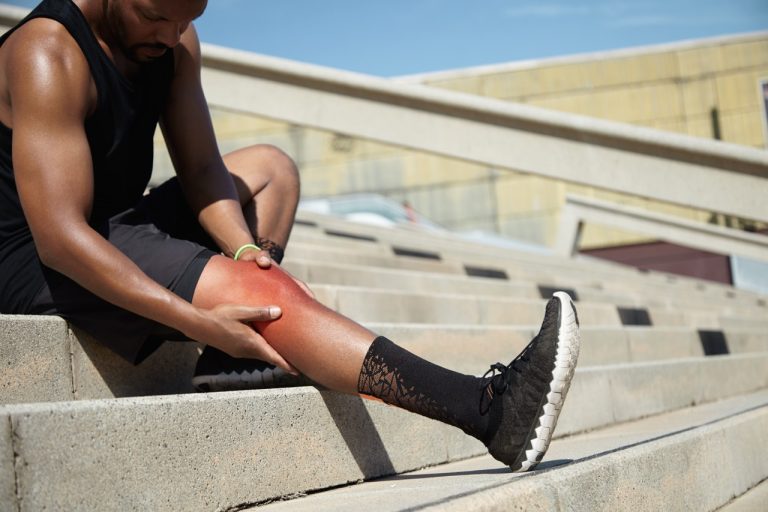
Knee pain can happen for many reasons, including injury, overuse, inflammation, or age-related joint changes. One of the most common causes of ongoing knee pain is osteoarthritis. Because symptoms often develop gradually, many people do not realize how much their knees have changed until daily activities become harder.
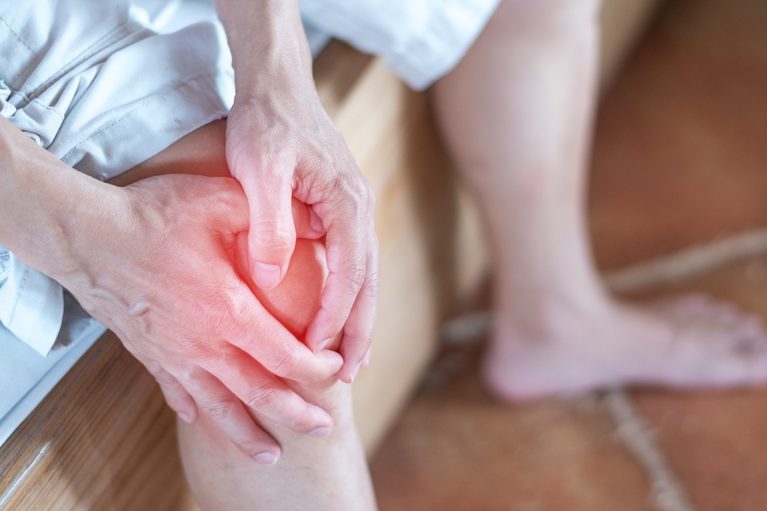
Knee osteoarthritis affects the joint cartilage, surrounding tissues, and overall movement of the knee. When the protective cartilage begins to wear down, the joint may become painful, stiff, swollen, or harder to use comfortably.
Here are five common signs your knee pain may be related to osteoarthritis.
1. Knee Pain During Everyday Activities
One of the earliest signs of knee osteoarthritis is pain during normal movement. You may notice discomfort while walking, standing, bending, or climbing stairs. At first, the pain may only happen after longer periods of activity. Over time, it may become more frequent.
Patients often describe this pain as aching, soreness, pressure, or deep discomfort inside the knee. It may feel worse after a busy day or after activities that place extra strain on the joint.
2. Stiffness After Sitting or Resting
Knee stiffness is another common symptom. Many people with osteoarthritis notice that their knees feel stiff when they first get out of bed or after sitting for a while. The joint may feel like it needs time to “warm up” before movement becomes easier.
This stiffness can make it harder to stand up from a chair, get out of a car, or begin walking after rest. If stiffness is happening regularly, it may be a sign that the joint is irritated or inflamed.
3. Swelling Around the Knee
Swelling can occur when the knee joint becomes inflamed. Some patients notice visible puffiness around the knee. Others feel tightness or pressure inside the joint.
Swelling may come and go depending on activity level. It may be worse after walking, standing, stairs, or exercise. Even mild swelling can make the knee feel uncomfortable and limit movement.
4. Grinding, Clicking, or Popping Sensations
Some people with knee osteoarthritis experience grinding, clicking, cracking, or popping sounds when moving the knee. These sounds do not always mean something serious, but when they happen along with pain or stiffness, they should be evaluated.
As cartilage changes, joint movement may become less smooth. This can create sensations that feel different from normal knee movement.
5. Reduced Mobility or Confidence
Knee osteoarthritis can slowly affect how you move. You may begin avoiding stairs, walking shorter distances, or limiting activities you used to enjoy. Some patients feel less stable on their knee or worry about it giving out.
Reduced mobility can affect independence, exercise, social activities, and quality of life. When knee pain starts changing your routine, it is time to learn more about what is causing it.
When Should You Get Knee Pain Checked?
You should consider a consultation if knee pain lasts more than a few weeks, keeps returning, or interferes with normal activities. It is also important to seek care if you have swelling, stiffness, reduced motion, or pain that is getting worse.
A proper evaluation can help determine whether osteoarthritis may be contributing to your symptoms and whether nonsurgical treatment options may be appropriate.
Learn About Nonsurgical Knee Pain Treatment
At Knee Pain Centers of America, patients can explore innovative, nonsurgical options for knee osteoarthritis. Treatment is focused on helping patients reduce pain, improve comfort, and return to activities they enjoy.
If you are noticing signs of knee osteoarthritis, schedule a consultation to learn more about your options.