When Knee Pain Starts Affecting Your Daily Life

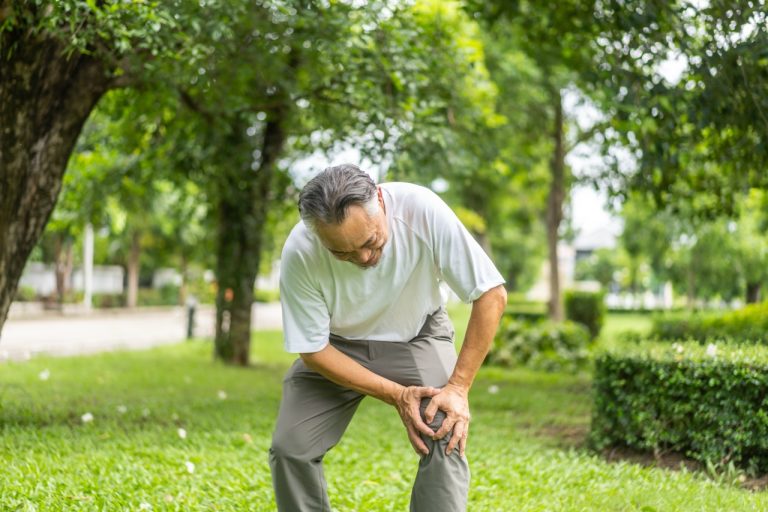
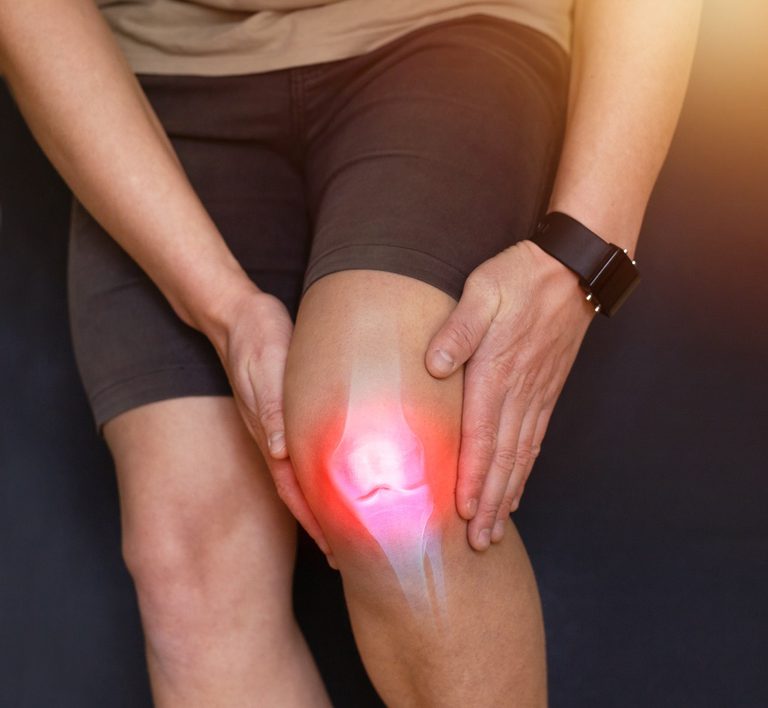
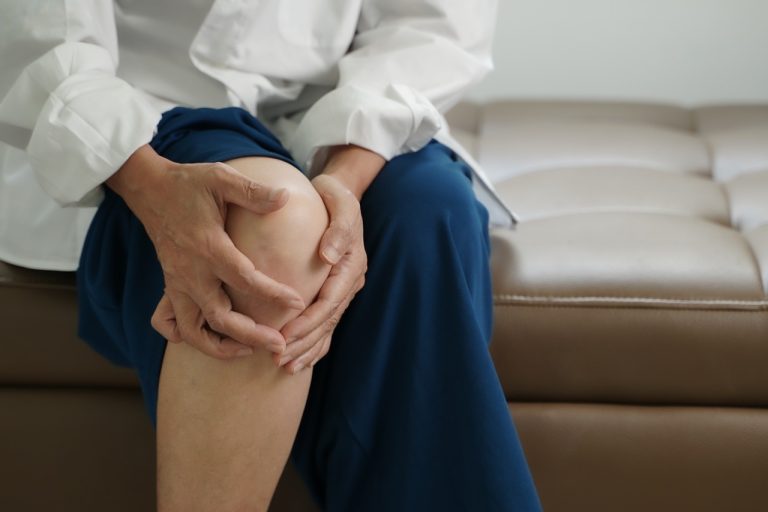
Discomfort in your joints is easy to dismiss at first. You may tell yourself it is just a natural part of getting older, the result of walking too much, or from sleeping in an awkward position. But when knee pain starts affecting your daily life, it deserves serious attention.
Chronic joint soreness can subtly change how you move, how active you feel, and how confident you are in your body. It can disrupt simple routines like grocery shopping, walking through a parking lot, climbing stairs, or standing while cooking. Over time, these minor adjustments can make life feel smaller and more limited.
Many people alter their habits without even realizing it. You may find yourself parking closer to storefronts, avoiding flights of stairs, sitting down more frequently, or skipping social activities that require prolonged standing. While these shifts seem minor initially, they are clear warning signs that physical discomfort is beginning to control your lifestyle.
If you are constantly planning your day around your physical limitations—thinking twice before attending an event, walking with family, or running errands—it may be time to seek a professional evaluation.
How Reduced Mobility Impacts Your Body
The knees are essential for fluid movement. When they hurt, the body naturally tries to compensate to protect the joint. You may subconsciously shift your weight to one side, alter your gait, or avoid bending your leg fully. Unfortunately, these compensatory movements place unnatural stress on other joints and muscles, often leading to secondary aches in the hips or lower back.
Over time, reduced mobility leads to a frustrating cycle: weakness, stiffness, and diminished physical confidence. The less you move, the harder future movement becomes. Breaking this cycle is crucial to preventing long-term decline. (Tip: Learn more about managing joint health through [insert internal link to an existing blog post about joint health or arthritis here]).
Navigating Stairs and Daily Obstacles
Stairs are one of the most common complaints among individuals dealing with knee osteoarthritis. Going up or down steps places immense extra pressure on the joint. If the cartilage is worn down or the surrounding tissues are inflamed, tackling a staircase can become incredibly painful.
Some people begin relying heavily on handrails or taking steps one at a time, while others avoid multi-level buildings entirely. If navigating stairs is becoming a daily dread, your symptoms should be evaluated by a specialist.
The Connection Between Joint Discomfort and Sleep
Physical ailments do not clock out at night. Many patients experience significant discomfort when lying down or trying to find a comfortable position in bed. Poor sleep quality creates a negative feedback loop: it can make you more sensitive to physical discomfort the next day and drastically reduce your energy for normal activities.
When joint issues disrupt your sleep, it is no longer just a localized problem—it is actively harming your overall well-being and immune health.
The Emotional Impact of Chronic Discomfort
Living with persistent physical limitations is emotionally draining. It is entirely normal to feel discouraged or frustrated when you can no longer participate in the hobbies you once loved. Many patients express feelings of lost independence or anxiety about what their mobility will look like in the future.
These emotional effects are real and valid. Physical limitations affect your confidence, independence, and overall quality of life. That is why effective care must consider the whole person, not just the isolated joint.
When to Explore Treatment Options
According to medical guidelines on degenerative joint conditions, early intervention is key to preserving mobility. (Tip: You can read more about joint preservation guidelines from the [insert outbound link to an authoritative medical site like the Arthritis Foundation or Mayo Clinic here]). You should consider a professional consultation if joint discomfort is affecting:
- Walking and balance
- Navigating stairs
- Sleep quality
- Work performance
- Exercise and recreation
- Running basic errands
- Active family time
- Your ability to live independently
A clinical evaluation can help identify the root cause of your symptoms and outline a path forward.
Nonsurgical Care May Help
At Knee Pain Centers of America, patients can explore a variety of innovative, nonsurgical treatment options tailored for knee osteoarthritis. The primary goal is to minimize discomfort, improve joint function, and help you return to your daily routines with renewed confidence.
If physical limitations are shrinking your world, you do not have to wait for the discomfort to become unbearable. Schedule a consultation today and take your first step toward better mobility.