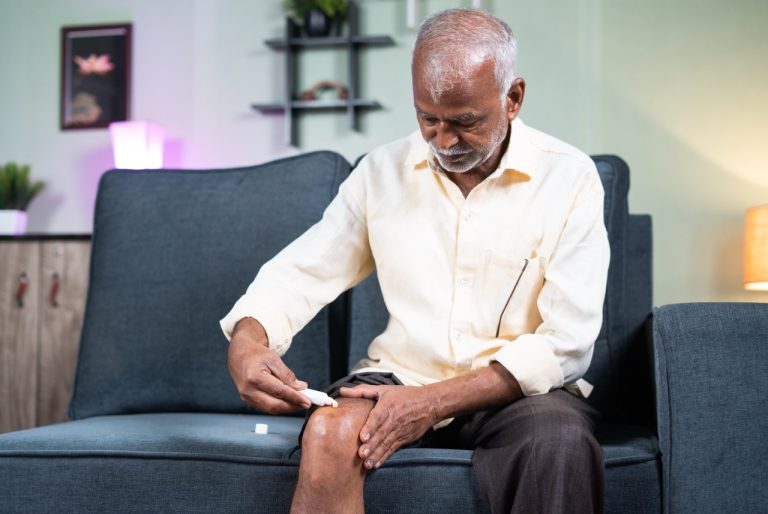
How Knee Osteoarthritis Impacts Your Quality of Life

Knee osteoarthritis is more than a joint condition. It can affect how you move, sleep, work, exercise, and enjoy your daily life. Many patients first notice small changes, such as discomfort on stairs or stiffness after sitting. Over time, those changes can become harder to ignore.
When knee pain begins shaping your routine, it can impact your independence and overall well-being. Understanding these effects can help you recognize when it may be time to seek care.
Knee Pain Can Limit Daily Activities
The knees are involved in nearly every movement. Walking, standing, bending, climbing stairs, getting in and out of a car, and rising from a chair all require healthy knee function.
When osteoarthritis causes pain or stiffness, routine tasks can become difficult. You may start avoiding errands, walking shorter distances, or planning your day around how your knees feel. These small adjustments can add up and reduce your quality of life.
Mobility Changes Can Happen Slowly
Knee osteoarthritis often progresses gradually. You may not notice how much your movement has changed until you compare your current activity level to what you were able to do months or years ago.
Some patients begin using railings more often. Others avoid stairs, stop exercising, or skip social activities that require walking. Reduced mobility can also lead to muscle weakness, which may make the knee feel less supported.
Knee Pain Can Affect Sleep
Chronic knee pain can interfere with rest. Some patients feel aching at night, discomfort when changing positions, or stiffness in the morning. Poor sleep can make pain harder to manage during the day and can affect energy, mood, and focus.
When knee pain starts interrupting sleep, it becomes more than a mobility issue. It becomes a whole-body quality of life concern.
Independence May Feel More Limited
For many patients, one of the most frustrating parts of knee osteoarthritis is feeling less independent. You may need help carrying groceries, walking longer distances, or getting around places with stairs.
This loss of independence can be discouraging. Patients may feel like they are missing out on family events, hobbies, travel, or normal routines because of knee pain.
Emotional Impact of Knee Osteoarthritis
Living with chronic pain can affect emotional well-being. Knee osteoarthritis may lead to frustration, stress, worry, or sadness, especially when patients feel limited by activities they used to enjoy.
Some people also feel nervous about the future. They may worry that knee replacement surgery is inevitable or that their mobility will continue to decline. Getting evaluated can help replace uncertainty with information and options.
Why Early Evaluation Matters
Waiting until knee pain becomes severe can make daily life more difficult. If osteoarthritis symptoms are affecting your routine, an evaluation can help identify what is causing the pain and what treatment options may be available.
A consultation can also help determine whether nonsurgical knee pain treatment may be appropriate.
Nonsurgical Care for Knee Osteoarthritis
At Knee Pain Centers of America, patients can explore innovative treatment options for knee osteoarthritis. The goal is to help patients improve comfort, support mobility, and return to daily activities with greater confidence.
For many patients, the goal is not just pain relief. It is getting back to a better quality of life.
Take the Next Step
If knee osteoarthritis is affecting your daily activities, sleep, confidence, or independence, it may be time to seek help. You do not have to wait until pain becomes unbearable to explore your options.
Schedule a consultation with Knee Pain Centers of America to learn more about nonsurgical knee pain treatment.