Knee Pain After Sitting Too Long: What It Could Mean
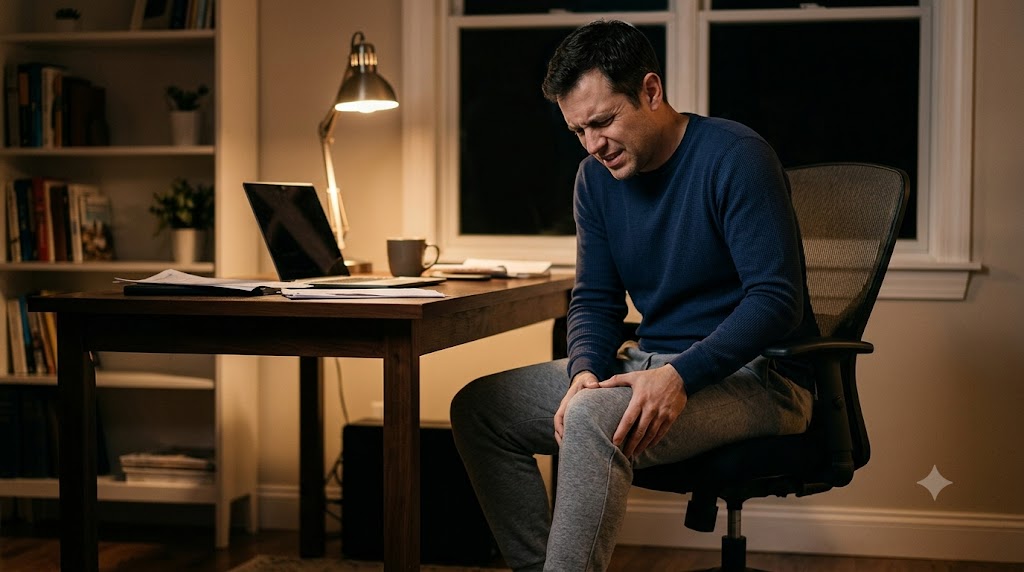
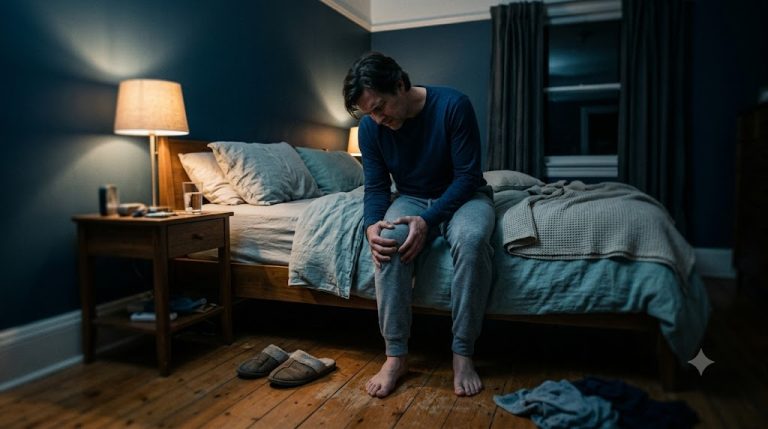
Do your knees feel stiff, sore, or difficult to move after sitting for a while? Maybe it happens after driving, watching television, sitting at your desk, or getting up from a restaurant booth. If knee pain after sitting has become common, it may be more than a temporary annoyance.
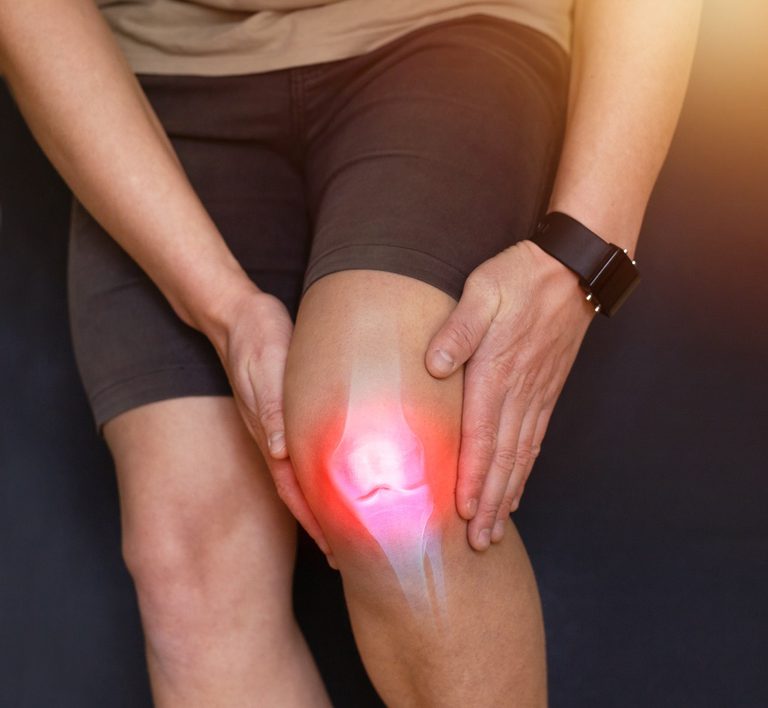
Pain or stiffness after inactivity can be associated with knee osteoarthritis, joint inflammation, reduced mobility, or cartilage changes. While occasional stiffness can happen, frequent discomfort should be evaluated, especially if it affects your daily routine.
Why Sitting Can Make Knee Pain Worse
When you sit for a long period, your knee stays bent and relatively still. If the joint is healthy, standing up may feel easy. But if the knee is inflamed, arthritic, or irritated, the first few steps after sitting may feel painful or stiff.
This is sometimes described as a “start-up” feeling, where movement is hardest at first but improves after the joint warms up.
Knee Osteoarthritis and Stiffness
Knee osteoarthritis occurs when the protective cartilage inside the knee joint becomes worn or damaged. Cartilage helps cushion the joint and allows smooth movement. When the cartilage changes, the knee may become painful, stiff, swollen, or harder to move.
People with knee osteoarthritis often notice stiffness after periods of rest, including sitting or sleeping. This stiffness may be mild at first, but it can become more noticeable over time.
Common Situations That Trigger Knee Pain After Sitting
Patients may notice pain after:
- Sitting at a desk
- Driving for long periods
- Watching a movie
- Sitting through a meeting
- Eating at a restaurant
- Resting on the couch
- Traveling by plane or car
- Sitting with the knee bent
When the knee is stiff, standing up may require extra effort. Some people need a few steps before they feel steady.
Other Symptoms to Watch For
Pain after sitting may happen along with other symptoms, including:
- Swelling around the knee
- Clicking or grinding
- Pain on stairs
- Trouble bending or straightening the knee
- A feeling of tightness
- Weakness or instability
- Reduced range of motion
- Pain that worsens after activity
These symptoms may suggest that knee osteoarthritis or inflammation is contributing to the problem.
Why You Should Not Ignore Recurring Stiffness
Many people dismiss knee stiffness as normal aging. However, recurring stiffness can be a sign that the joint is changing. If you start avoiding long drives, meetings, or social events because of knee pain, the problem is already affecting your lifestyle.
Ignoring symptoms may also lead to less movement. When movement decreases, the muscles around the knee can weaken. Weaker muscles may provide less support, making the knee feel even more uncomfortable.
When to Seek Knee Pain Care
You should consider a consultation if knee pain after sitting is frequent, worsening, or interfering with your day. It may also be time to seek care if stiffness lasts longer than it used to or if pain affects walking, stairs, work, or sleep.
A knee pain evaluation can help determine whether osteoarthritis or another condition may be causing your symptoms.
Nonsurgical Treatment Options
At Knee Pain Centers of America, patients can explore nonsurgical treatment options for knee osteoarthritis. These options may help certain patients manage pain, improve comfort, and stay more active without immediately considering knee replacement surgery.
If your knees hurt after sitting too long, schedule a consultation to learn more about your options.