How Weather Changes Can Affect Knee Arthritis Pain
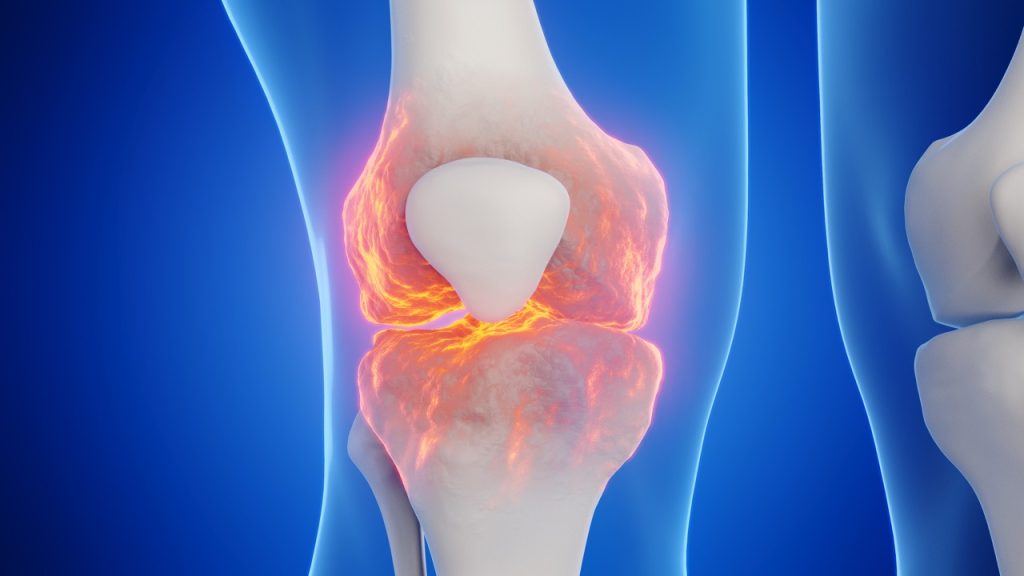
Many people with knee arthritis say they can feel weather changes in their joints. A cold morning, rainy day, or sudden shift in temperature may make the knees feel stiffer, achier, or more uncomfortable. While weather does not cause knee osteoarthritis, some patients notice that symptoms seem worse when conditions change.
If weather-related knee pain is becoming frequent or limiting your activity, it may be time to explore treatment options.
Why Weather May Affect Knee Pain
The exact reason weather affects joint pain is not always clear. Some people may be more sensitive to changes in temperature, humidity, or air pressure. Cold weather can also make muscles and joints feel tighter, which may increase stiffness.
When the knee is already affected by arthritis or inflammation, these changes may make symptoms more noticeable.
Knee Osteoarthritis and Symptom Flares
Knee osteoarthritis occurs when the cartilage inside the knee joint becomes worn or damaged. As the joint changes, patients may experience pain, stiffness, swelling, and reduced mobility.
Weather changes may contribute to flare-ups for some patients. A flare-up may involve more aching, stiffness after sitting, swelling after activity, or difficulty walking and using stairs.
Cold Weather and Stiff Knees
Cold temperatures may make the knees feel less flexible. Some patients notice that it takes longer to loosen up in the morning or that stairs feel harder during colder months.
If cold weather causes you to move less, stiffness may become even more noticeable. Reduced movement can also weaken the muscles that support the knee.
Rainy Days and Arthritis Pain
Some patients report increased knee pain before or during rainy weather. This may be related to changes in air pressure or the body’s sensitivity to joint inflammation. Although not every patient experiences this, the pattern can feel very real for those who do.
The important question is whether these flare-ups are affecting your daily life.
Do Weather Flares Mean Knee Pain Is Getting Worse?
Not always. A flare-up does not automatically mean your condition has progressed. However, frequent or intense flares may be a sign that your knee arthritis is not well managed.
If weather changes regularly make your knee pain worse, a consultation can help determine whether osteoarthritis or inflammation may be contributing to your symptoms.
When to Seek Care
Consider scheduling a knee pain consultation if:
- Weather changes cause frequent knee pain
- Stiffness affects your morning routine
- Swelling happens after activity
- Pain limits walking or stairs
- You avoid going out because of knee discomfort
- Medication or rest is not enough
- Symptoms are getting worse over time
You do not have to wait until knee pain becomes severe to seek answers.
Nonsurgical Knee Pain Treatment
At Knee Pain Centers of America, patients can explore nonsurgical treatment options for knee osteoarthritis. The goal is to help patients manage pain, improve comfort, and stay active through daily life.
While you cannot control the weather, you can take steps to better understand and manage your knee pain.
Take the Next Step
If weather changes seem to trigger knee arthritis pain, schedule a consultation with Knee Pain Centers of America. Learning more about your treatment options may help you move with more comfort and confidence.