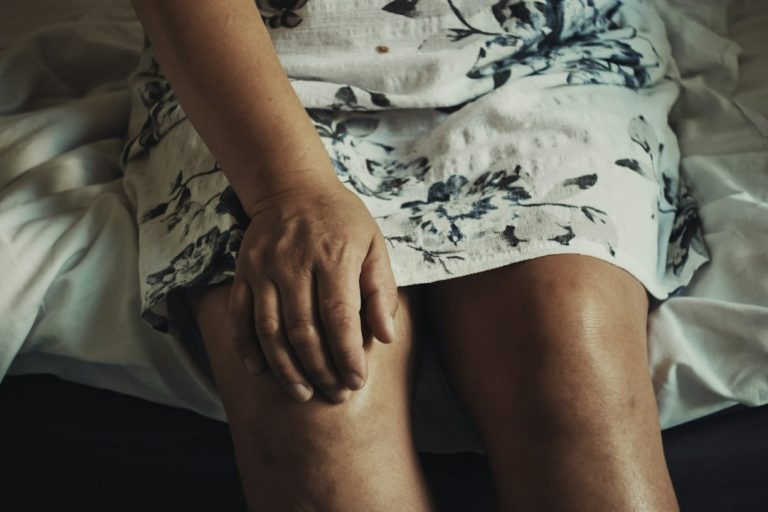
Knee Pain Myths That Stop People From Seeking Care

Knee pain is common, but many people wait too long to get help. Some believe pain is just part of aging. Others assume surgery is the only option. These myths can keep patients from learning what is really causing their symptoms and what treatment options may be available.
If knee pain is affecting your walking, stairs, sleep, work, or daily activities, it deserves attention. Understanding the truth behind common knee pain myths can help you take the next step.
Myth 1: Knee Pain Is Just Part of Getting Older
It is true that knee pain becomes more common with age, but constant pain should not be accepted as normal. Ongoing pain, swelling, stiffness, or reduced mobility may be signs of knee osteoarthritis or another joint condition.
Getting older does not mean you have to live with untreated knee pain. A consultation can help determine what is causing your symptoms.
Myth 2: If You Can Still Walk, Your Knee Pain Is Not Serious
Many patients continue walking even when their knees hurt. Being able to walk does not mean the knee is healthy or that symptoms should be ignored. You may still have arthritis, inflammation, cartilage wear, or joint irritation.
If walking causes pain, swelling, or stiffness, it may be time to seek care.
Myth 3: Knee Pain Always Means Surgery
One of the biggest reasons people avoid treatment is fear of knee replacement surgery. While surgery may be recommended for some patients, it is not the only option for everyone.
Many patients want to explore nonsurgical knee pain treatment before considering surgery. A consultation can help determine whether you may be a candidate for nonsurgical care.
Myth 4: Rest Will Always Fix Knee Pain
Rest may help temporary soreness, but chronic knee pain often returns when activity resumes. If your knee pain keeps coming back after walking, standing, or using stairs, rest alone may not be enough.
Recurring symptoms may need evaluation to identify the underlying cause.
Myth 5: Knee Arthritis Only Causes Pain
Knee osteoarthritis can cause more than pain. Patients may also experience stiffness, swelling, weakness, instability, grinding, and reduced range of motion. These symptoms can affect balance, mobility, confidence, and independence.
Even if your pain is not severe, other symptoms may still signal a problem.
Myth 6: There Is Nothing You Can Do Until It Gets Worse
Waiting until knee pain becomes severe can make daily life harder. Early evaluation may help patients better understand their condition and explore available treatment options before pain becomes more limiting.
You do not have to wait until stairs, walking, or sleep become difficult.
Take Knee Pain Seriously
Knee pain myths can delay important conversations about your health. If symptoms are affecting your life, getting answers is better than guessing.
At Knee Pain Centers of America, patients can learn about nonsurgical treatment options for knee osteoarthritis. Schedule a consultation to explore your options and take a more informed approach to knee pain care.