Health Tips for Knee Arthritis

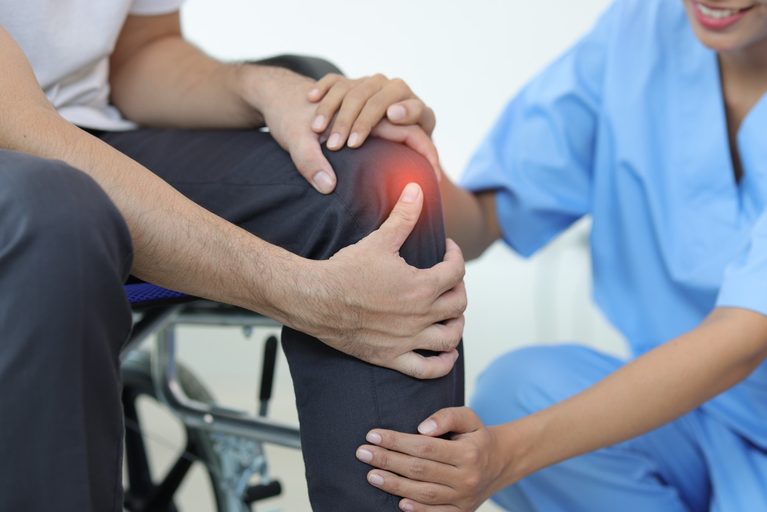
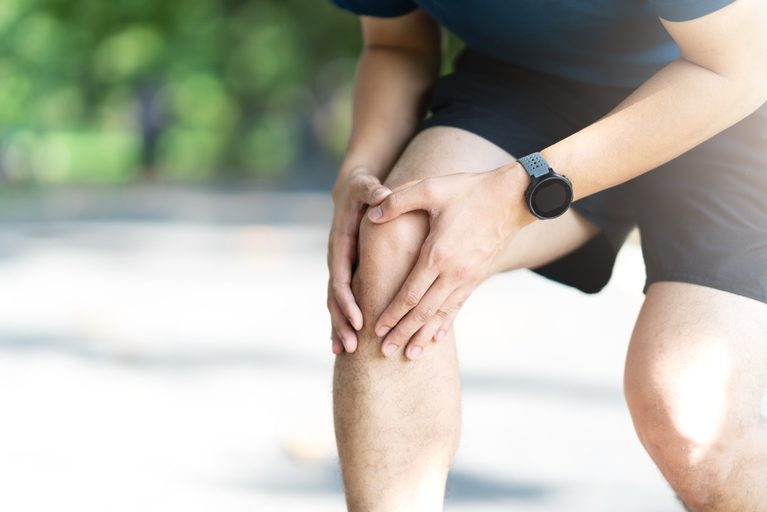
Knee arthritis can make ordinary activities such as walking, climbing stairs, standing from a chair, or getting through a busy workday feel more difficult. While arthritis cannot always be managed with one simple change, several practical habits may help reduce stress on the joint, support mobility, and make knee arthritis pain easier to manage.
The right plan depends on your health, symptoms, and the condition of your knee. Use these tips as general guidance, and talk with a qualified healthcare professional before starting a new exercise, medication, supplement, or weight-loss program.
What Is Knee Arthritis?
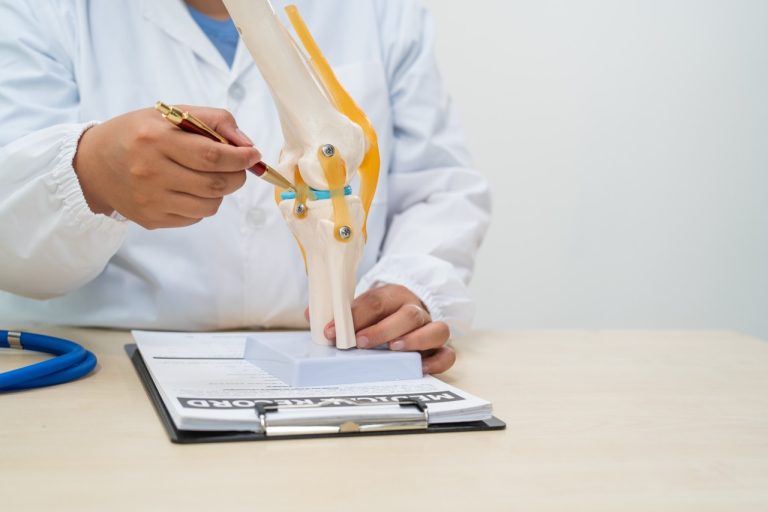
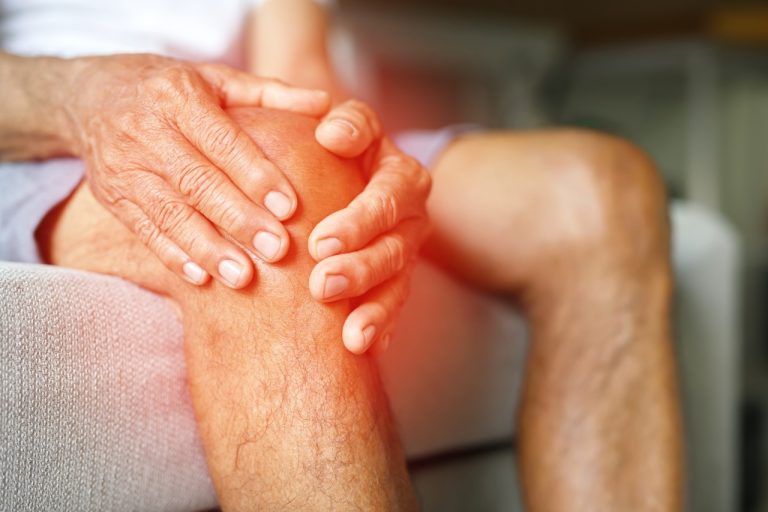
Knee osteoarthritis is a common form of arthritis that develops as cartilage and other joint tissues change over time. Because cartilage helps cushion the bones and supports smooth movement, these changes can lead to pain, stiffness, swelling, reduced range of motion, and a grinding or clicking sensation.
Symptoms often develop gradually. Some people notice morning stiffness, discomfort after sitting, or pain after a long period of activity. Others begin avoiding stairs, errands, exercise, or social activities because their knee no longer feels dependable. Learn more about knee osteoarthritis and available knee pain treatment options.
1. Keep Moving With Knee-Friendly Activity
It can be tempting to stop moving when the knee hurts. A short period of rest may be appropriate during a flare-up, but too much inactivity can contribute to stiffness and muscle weakness. The muscles around the knee help support the joint, so maintaining safe movement is often an important part of arthritis care.
Low-impact activities such as walking on level ground, swimming, water exercise, or using a stationary bicycle may be easier on the knees than running or jumping. Start slowly and increase activity gradually. If an activity causes sharp pain, new swelling, or symptoms that persist, stop and speak with a healthcare professional.
2. Build Strength Around the Knee
Strengthening the quadriceps, hamstrings, hips, and core may improve support and control during everyday movement. A physical therapist or other qualified professional can recommend exercises that match your abilities and show you how to perform them safely.
Good exercise technique matters. Doing too much too soon, using excessive resistance, or exercising through significant pain may aggravate knee arthritis pain. A personalized program is especially important if your knee feels unstable, you have balance problems, or you have other medical conditions.
3. Pace Activities and Plan for Breaks
Arthritis symptoms can increase when a busy day places more demand on the joint than it can comfortably handle. Try dividing demanding tasks into shorter sessions instead of doing everything at once. Alternate periods of activity with brief rest, and avoid waiting until pain becomes severe before taking a break.
Pacing does not mean giving up activity. It means using your energy and joint capacity more strategically so you can stay involved in the things that matter to you.
4. Use Heat or Cold Carefully
Heat may help some people loosen a stiff knee before activity. Cold may help reduce discomfort or swelling after activity. Protect your skin with a towel, keep sessions brief, and avoid falling asleep with a heating pad or ice pack in place.
People with reduced sensation, poor circulation, diabetes, or certain skin conditions should ask a healthcare professional before using heat or cold therapy.
5. Support a Healthy Weight
Body weight affects the amount of force placed on the knee during walking, standing, and stair use. For patients who are overweight, gradual weight loss may reduce joint stress and improve comfort. Even so, weight is only one part of knee arthritis, and people of every body size can experience significant symptoms.
A doctor or registered dietitian can help you choose a realistic nutrition plan that considers your overall health, medications, and activity level. Avoid extreme diets or rapid weight-loss plans that are difficult to maintain.
6. Choose Supportive Shoes
Comfortable, supportive footwear can improve stability and reduce unnecessary strain during daily activity. Replace shoes when the soles become uneven or the cushioning wears down. If you have foot, ankle, balance, or walking concerns, ask a qualified professional whether a specific shoe style, insert, brace, or assistive device may be appropriate.
7. Pay Attention to Your Symptoms
A simple symptom log can help you notice patterns. Record when pain occurs, what activity preceded it, whether swelling was present, and how long symptoms lasted. This information can make a medical consultation more productive and help your provider understand how knee arthritis affects your daily life.
Seek prompt medical care for sudden severe pain, a major injury, an inability to bear weight, a visibly deformed joint, a hot and very swollen knee, fever with knee symptoms, or calf swelling and shortness of breath. These symptoms may require urgent evaluation.
8. Use Medication Responsibly
Over-the-counter pain relievers or topical products may help some people, but they are not risk-free and may interact with other medications or health conditions. Follow the product label and ask a doctor or pharmacist what is safe for you, especially if you have kidney disease, liver disease, ulcers, bleeding risks, heart disease, or take blood thinners.
If medication provides only temporary relief or you need it frequently, it may be time for a more complete knee evaluation rather than continuing to manage symptoms on your own.
When to Explore Knee Pain Treatment
Consider scheduling a consultation when knee arthritis pain is recurring, swelling or stiffness is increasing, sleep is affected, stairs are becoming difficult, or discomfort is limiting work, exercise, errands, or time with family. An evaluation can help determine what may be contributing to your symptoms and which options may be appropriate for you.
At Knee Pain Centers of America, our team listens with compassion and helps patients explore innovative, nonsurgical treatment options for knee osteoarthritis. Treatment recommendations are based on an individual evaluation, and results can vary from person to person.
Take the Next Step Toward Better Mobility
You do not have to accept worsening knee arthritis pain as an unavoidable part of aging. If home strategies are no longer enough, professional guidance can help you better understand your knee and make informed decisions about care.
Call the Knee Pain Centers of America office nearest you or visit our Contact page to request a consultation and learn more about knee pain treatment.