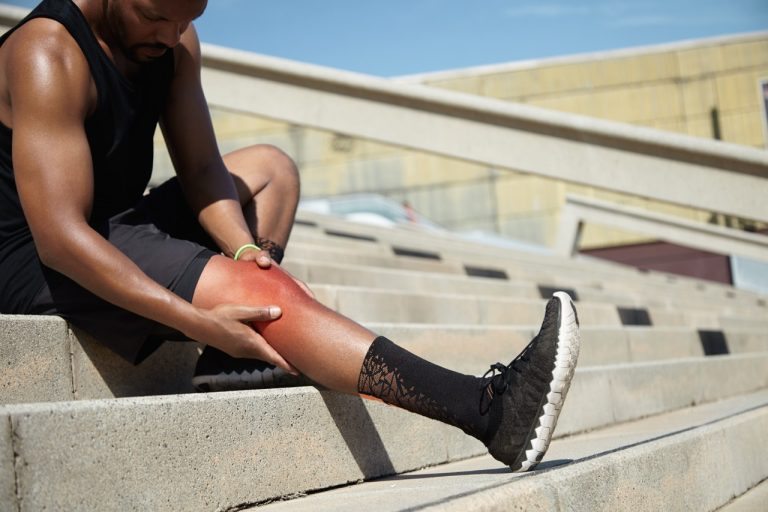
Knee Pain When Bending or Squatting: What It Could Mean

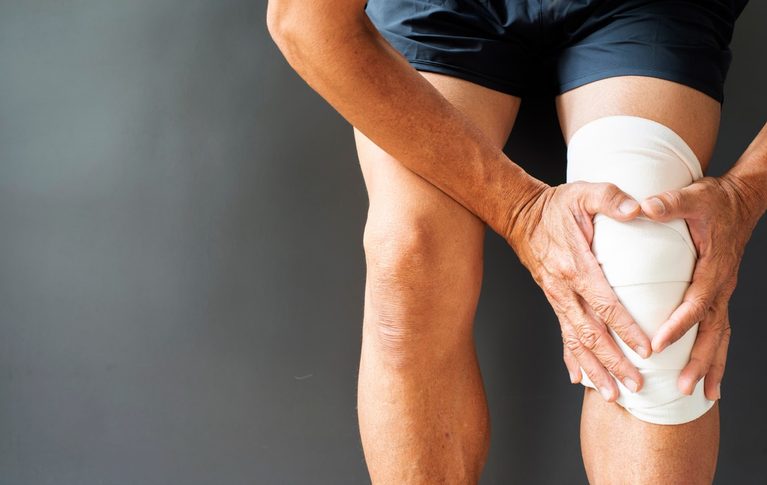
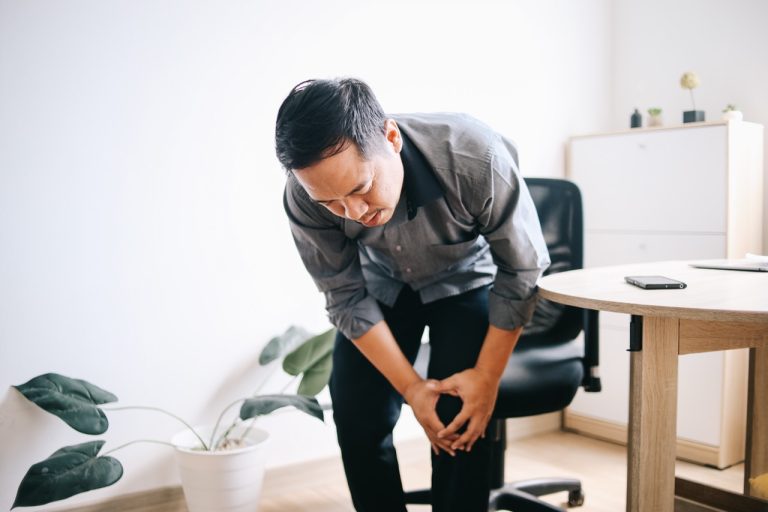
Bending and squatting are common movements that happen throughout the day. You may bend to pick something up, squat to reach a lower cabinet, kneel while gardening, or lower yourself into a chair. When these movements cause knee pain, daily life can become frustrating.
Knee pain when bending or squatting may be linked to knee osteoarthritis, inflammation, stiffness, muscle weakness, cartilage changes, or joint irritation. If symptoms keep returning, a knee pain evaluation may help identify the cause.
Why Bending Puts Pressure on the Knee
The knee joint bends deeply during squatting and certain daily movements. As the knee bends, pressure inside the joint can increase. If the knee is healthy, this movement may feel normal. If the joint is arthritic or inflamed, bending may cause pain, tightness, or grinding.
Patients may feel discomfort in the front of the knee, inside of the knee, or deep within the joint.
Knee Osteoarthritis and Bending Pain
Knee osteoarthritis occurs when cartilage inside the knee joint becomes worn or damaged. Cartilage helps cushion the bones and supports smooth movement. When cartilage changes, bending can become more uncomfortable.
Patients with knee osteoarthritis may notice pain when squatting, climbing stairs, standing from a chair, or getting in and out of a car. Swelling and stiffness may also make bending more difficult.
Why Squatting Can Be Difficult
Squatting requires strength, flexibility, balance, and joint control. If the muscles around the knee are weak, the joint may feel less supported. If inflammation is present, the knee may feel tight or painful.
Some patients avoid squatting entirely because they worry they will not be able to stand back up comfortably.
Signs Your Knee Pain Should Be Checked
Consider scheduling a consultation if bending your knee causes frequent pain, squatting is difficult or uncomfortable, your knee feels tight or swollen, you hear grinding or clicking with pain, stairs are becoming harder, or pain affects daily tasks.
These signs may suggest that osteoarthritis or another knee condition is affecting your movement.
Avoiding Movement Can Create a Cycle
When bending hurts, many people avoid certain movements. While this may reduce pain temporarily, avoiding movement can lead to stiffness and weakness. The muscles around the knee help stabilize the joint. If they weaken, knee pain may become more noticeable during daily activities.
This cycle can make bending, squatting, walking, and standing more difficult over time.
Do Not Assume It Is Just Aging
Knee pain with bending is common, but that does not mean it should be ignored. Pain is a signal that something may be irritating the joint. A consultation can help determine whether knee osteoarthritis, inflammation, or another issue may be involved.
At Knee Pain Centers of America, patients can explore nonsurgical knee pain treatment. If knee pain is making it hard to bend, squat, kneel, or move comfortably, schedule a consultation.