Questions to Ask About Knee Arthritis Treatment
Ask the right questions about knee arthritis treatment, nonsurgical options, symptoms, and mobility goals.


Ask the right questions about knee arthritis treatment, nonsurgical options, symptoms, and mobility goals.

Prepare for your first knee pain visit with symptom notes, questions, treatment history, and mobility goals.
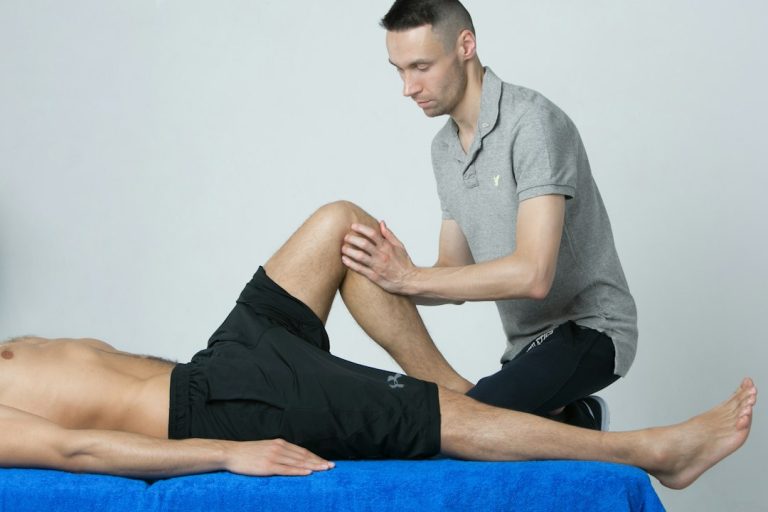
Nonsurgical knee care may help arthritis patients explore pain relief and mobility options without surgery.

Seven practical, everyday tips for managing knee arthritis in Chicago, from stair strategy and shoes to knowing when it is time for an evaluation.

Common patient questions about genicular artery embolization, a minimally invasive option for knee osteoarthritis, answered by our Southfield team.
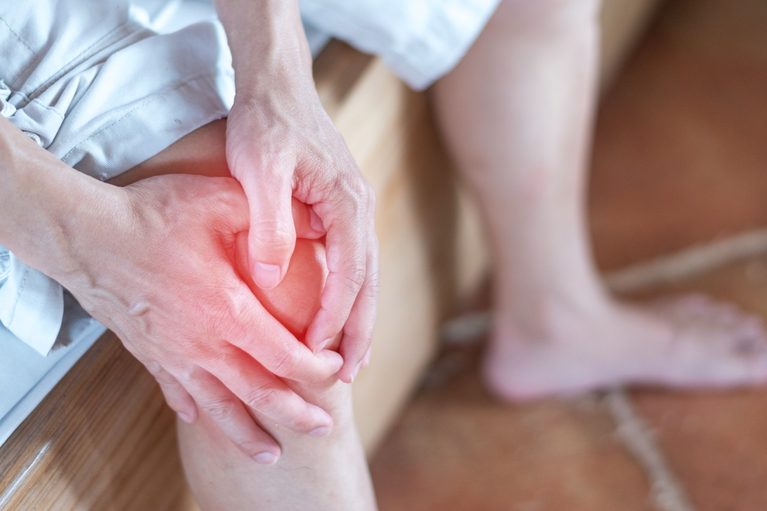
Knee arthritis often develops slowly. At first, symptoms may be mild and easy to ignore. You may feel soreness after a long walk, stiffness in the morning, or discomfort when using stairs. Over time, those symptoms may become more frequent and harder to manage. Understanding how knee arthritis can progress may help patients recognize when…

Practical health tips for knee arthritis pain, including safe movement, pacing, joint support, and when to explore knee pain treatment.

Feeling sore after exercise can be normal, especially after trying a new workout or increasing activity. But knee pain that keeps returning, causes swelling, or limits movement may be more than normal soreness. For some patients, exercise-related knee pain may be connected to knee osteoarthritis, inflammation, cartilage changes, overuse, or reduced muscle support. Knowing the…

A knee that feels weak or unstable can make daily life stressful. You may worry that your knee will give out, buckle, or fail to support you when walking, standing, or using stairs. Even if you have not fallen, that feeling can affect your confidence and independence. Knee weakness or instability can happen for several…
