What Patients Should Know About Knee Pain and Inflammation

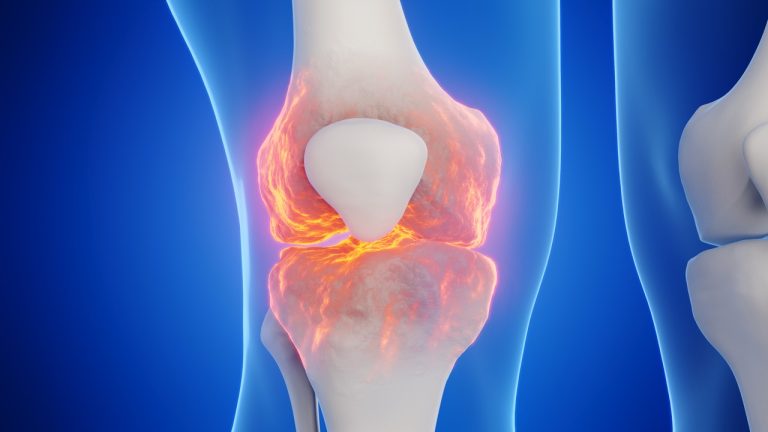
Inflammation plays an important role in many cases of knee pain. If your knee feels swollen, stiff, warm, tight, or sore after activity, inflammation may be contributing to your symptoms. For patients with knee osteoarthritis, inflammation can make pain more noticeable and daily movement more difficult.
Understanding inflammation can help patients recognize when knee pain may need evaluation.
What Is Inflammation?
Inflammation is the body’s response to irritation, injury, or stress. In some situations, it is part of the healing process. But when inflammation becomes ongoing or keeps returning, it can create discomfort and limit movement.
In the knee, inflammation may cause swelling, stiffness, tenderness, warmth, or a feeling of pressure inside the joint.
How Inflammation Relates to Knee Osteoarthritis
Knee osteoarthritis occurs when cartilage inside the knee joint becomes worn or damaged. Cartilage helps cushion the bones and allows the knee to move smoothly. As the cartilage changes, the joint may become irritated.
That irritation can lead to inflammation. Inflammation may then contribute to pain, swelling, stiffness, and reduced range of motion.
Signs of Knee Inflammation
Patients may notice:
- Swelling around the knee
- Tightness or fullness
- Stiffness after sitting
- Pain after walking or standing
- Warmth around the joint
- Difficulty bending or straightening
- Aching later in the day
- More discomfort after activity
These symptoms may come and go. Some patients experience flare-ups after busy days, stairs, exercise, or long periods of standing.
Why Inflammation Can Make Movement Harder
When the knee is inflamed, it may not bend or straighten as easily. Swelling can create pressure inside the joint, and pain may make you move differently. You may take shorter steps, shift weight to one side, or avoid certain activities.
Over time, these movement changes can affect balance, strength, and confidence.
Why Rest May Only Help Temporarily
Rest may calm inflammation for a short time, especially after a flare-up. However, if inflammation returns whenever you become active, the underlying cause may still need attention.
Many patients try to manage symptoms with rest or medication, but recurring knee inflammation may require a more complete evaluation.
When to Seek Care for Knee Inflammation
Consider scheduling a consultation if:
- Knee swelling keeps returning
- Pain worsens after activity
- Stiffness affects your morning routine
- Your knee feels tight or warm
- Stairs are becoming difficult
- You avoid walking because of discomfort
- Medication or rest is no longer enough
- Symptoms are becoming more frequent
A knee pain evaluation can help determine whether osteoarthritis or another condition may be contributing to your inflammation.
Nonsurgical Treatment Options
At Knee Pain Centers of America, patients can learn about nonsurgical treatment options for knee osteoarthritis. The goal is to help patients reduce discomfort, improve mobility, and return to daily life with more confidence.
If inflammation is affecting your knees, schedule a consultation to learn more about your options.