What Causes Knee Osteoarthritis and Why It Gets Worse Over Time
What Causes Knee Osteoarthritis and Why It Gets Worse Over Time
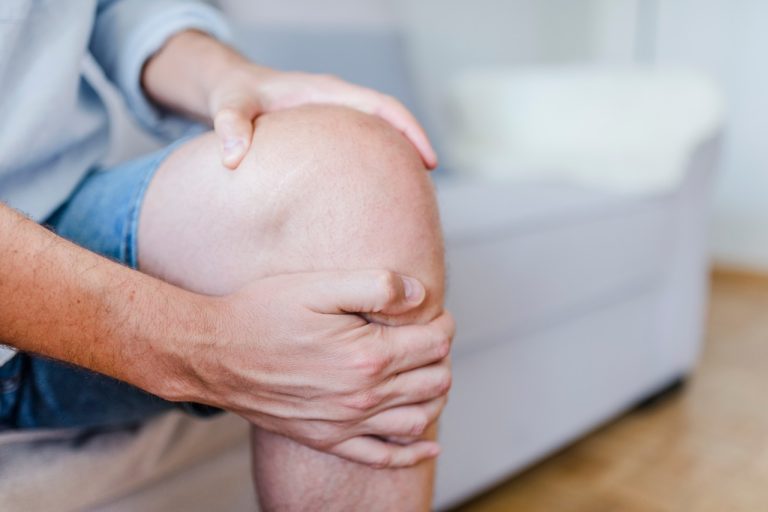
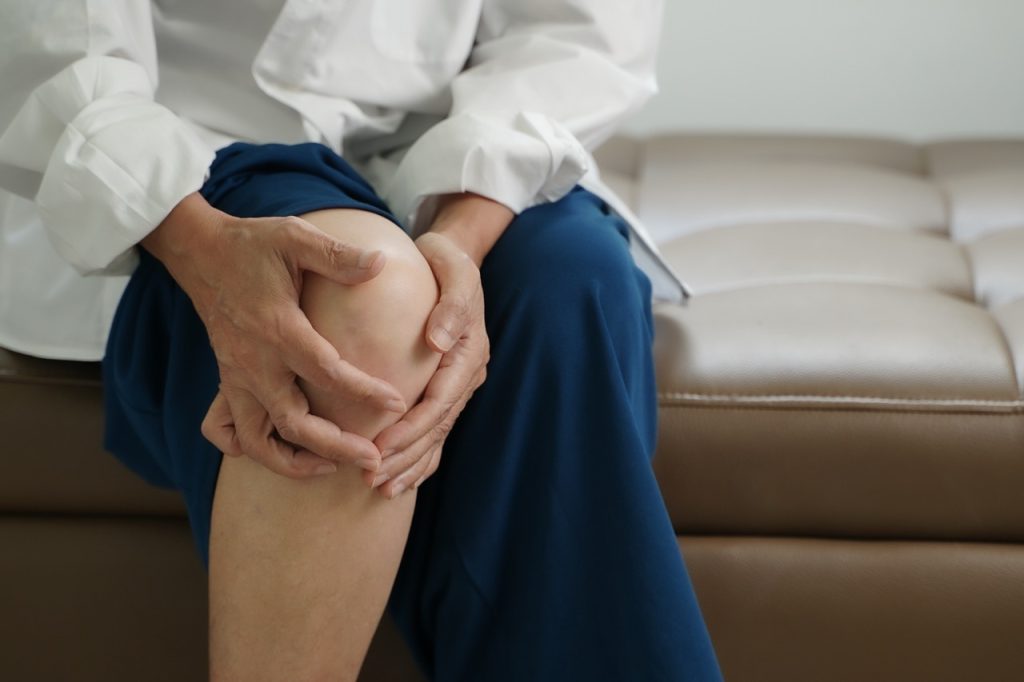
Knee osteoarthritis is one of the most common reasons people experience ongoing knee pain, stiffness, swelling, and limited mobility. For many patients, it starts slowly. You may notice discomfort after walking, stiffness when getting up from a chair, or pain when using stairs. Over time, those small symptoms can become harder to ignore.
Osteoarthritis is often described as “wear and tear,” but it is more than simple aging. It is a gradual breakdown of the protective cartilage inside the knee joint. Cartilage helps cushion the bones and allows the joint to move smoothly. When cartilage becomes thinner or damaged, the bones and surrounding tissues can become irritated, leading to pain and inflammation.
How Knee Osteoarthritis Develops
The knee is a weight-bearing joint, which means it handles pressure every time you stand, walk, bend, or climb stairs. Over the years, repeated stress on the joint can contribute to cartilage damage. Past injuries, genetics, body weight, inflammation, and activity levels can also play a role.
As the cartilage changes, the joint may become less smooth. This can cause stiffness, swelling, tenderness, and discomfort during movement. Some patients also notice clicking, grinding, or a feeling that the knee is not as strong or stable as it used to be.
Why Knee Pain Can Get Worse Over Time
Knee osteoarthritis often progresses because the joint continues to work under stress. When pain begins, many people naturally change the way they walk or move. This can place extra pressure on different parts of the knee, hip, back, or opposite leg.
Reduced activity can also make the problem worse. When knee pain causes someone to move less, the muscles around the knee may weaken. These muscles help support the joint. When they are weaker, the knee may feel less stable and more painful during daily activity.
Inflammation is another major factor. Chronic inflammation around the knee can contribute to swelling, stiffness, and discomfort. This is one reason patients may feel better on some days and worse on others.
Common Signs of Knee Osteoarthritis
Symptoms may include:
- Knee pain during walking or standing
- Stiffness after sitting or resting
- Swelling around the knee
- Pain when climbing stairs
- Grinding, clicking, or popping sensations
- Reduced range of motion
- Difficulty kneeling or bending
- Feeling less confident on the knee
These symptoms do not always mean surgery is the next step. Many patients explore conservative and nonsurgical options before considering knee replacement.
When to Seek Knee Pain Treatment
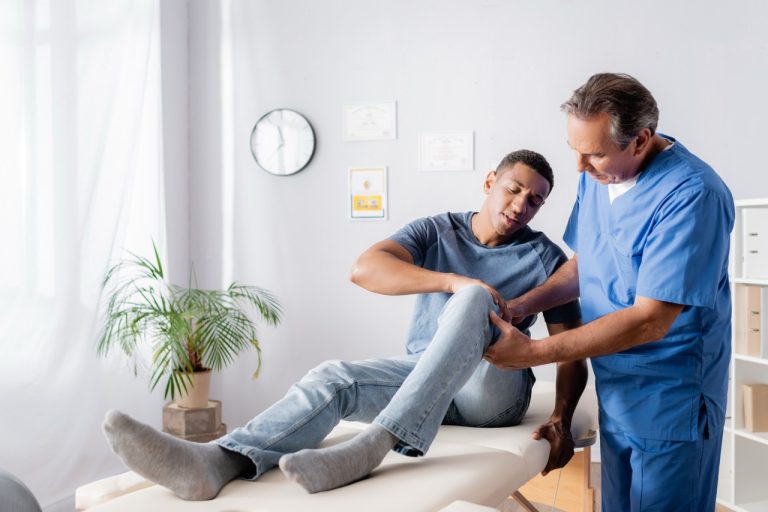
If knee pain is interfering with your daily routine, it may be time to schedule an evaluation. Pain that affects walking, sleep, exercise, work, errands, or family activities should not be ignored.
A proper consultation can help identify the source of your symptoms and whether knee osteoarthritis may be contributing to your pain. From there, your provider can discuss treatment options that may help reduce discomfort and improve mobility.
Nonsurgical Options for Knee Osteoarthritis
Many patients are interested in alternatives to knee replacement surgery. Depending on the severity of the condition and the patient’s goals, nonsurgical knee pain treatment may help manage symptoms and improve quality of life.
At Knee Pain Centers of America, patients can learn more about minimally invasive treatment options designed for knee osteoarthritis. The goal is to help patients move more comfortably and get back to doing the things they enjoy.
Take the First Step Toward Better Knee Comfort
Knee osteoarthritis can become more limiting over time, but patients do not have to wait until the pain is unbearable to seek help. Early evaluation can provide answers, guidance, and options.
If knee pain is making everyday activities harder, schedule a consultation with Knee Pain Centers of America to learn more about your options.