Why Chronic Knee Pain Should Not Be Ignored

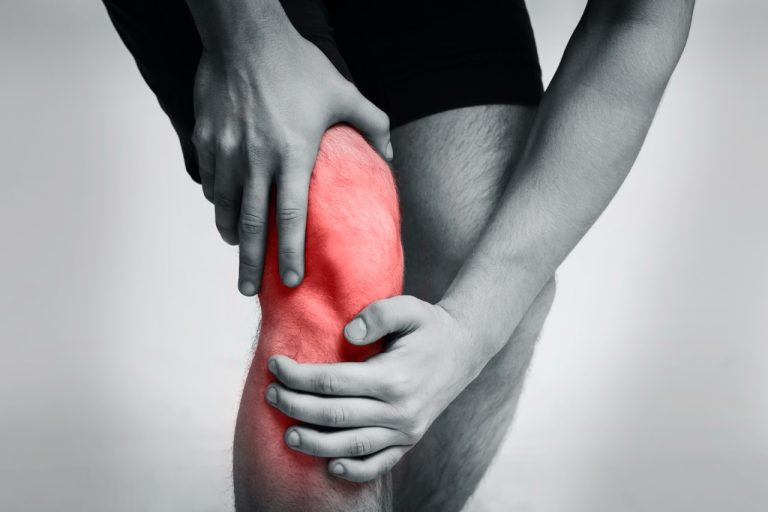
Many people try to push through knee pain. They may assume it is part of aging, wait for it to go away, or avoid seeing a specialist because they fear surgery will be the only option. While occasional soreness can happen, chronic knee pain should not be ignored.
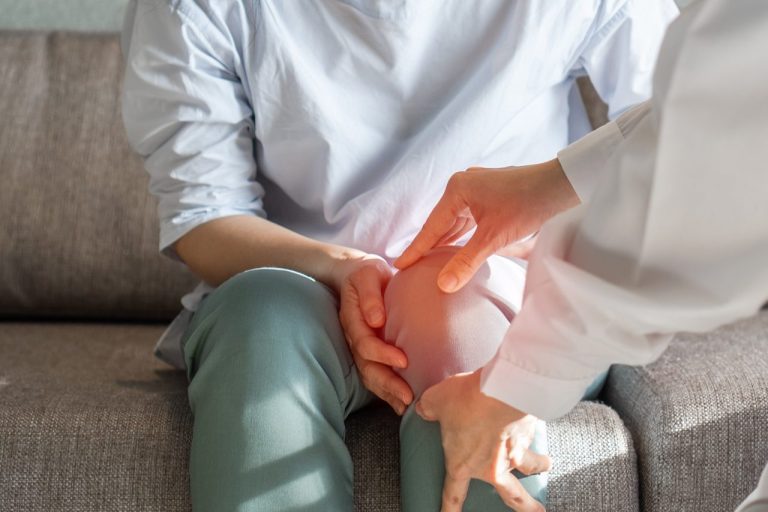
Pain that lasts, keeps returning, or affects daily activities may be a sign of knee osteoarthritis, inflammation, cartilage changes, or another joint problem. Getting evaluated can help you understand what is happening and what treatment options may be available.
Chronic Pain Can Change How You Move
When your knee hurts, your body naturally tries to avoid discomfort. You may limp, shift weight to the other leg, take shorter steps, or avoid bending the knee fully. These changes may happen gradually and can become habits.
Over time, altered movement can place extra stress on the hips, back, ankles, feet, and opposite knee. What starts as one painful knee may begin affecting other parts of the body.
Pain Can Reduce Your Activity Level
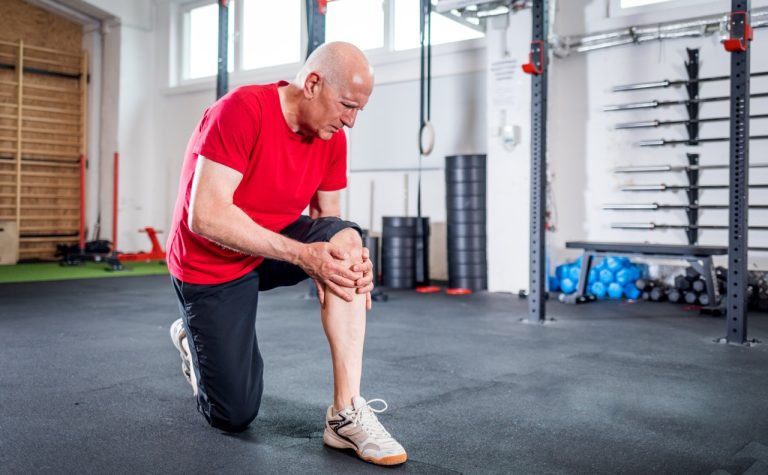
Chronic knee pain often causes people to move less. You may stop walking for exercise, avoid stairs, skip errands, or sit out during family activities. While avoiding pain may feel helpful in the moment, long-term inactivity can create new problems.
The muscles around the knee help support the joint. When activity decreases, those muscles may weaken. Weaker muscles can make the knee feel less stable and more painful.
Knee Osteoarthritis May Progress Gradually
Knee osteoarthritis is a common cause of chronic knee pain. It occurs when cartilage inside the knee joint becomes worn or damaged. As the joint changes, symptoms may include pain, stiffness, swelling, grinding, and reduced range of motion.
Because symptoms can develop slowly, many patients delay care until pain becomes more severe. Early evaluation may help patients better understand their condition before it becomes more limiting.
Chronic Pain Can Affect Sleep and Mood
Knee pain can make it difficult to sleep comfortably. You may feel aching at night, stiffness in the morning, or pain when changing positions. Poor sleep can increase fatigue and make pain feel harder to manage during the day.
Living with pain can also be emotionally draining. Patients may feel frustrated, discouraged, or worried about losing independence.
Ignoring Pain Can Limit Independence
When knee pain interferes with normal activities, independence can begin to feel smaller. Grocery shopping, cooking, walking across a parking lot, attending events, and climbing stairs may become harder.
If you are planning your life around knee pain, it is time to seek answers.
Does Chronic Knee Pain Mean Surgery?
Not always. Many patients avoid getting evaluated because they worry they will be told they need knee replacement surgery. However, a consultation can help you explore your options, including nonsurgical knee pain treatment if you are a candidate.
Understanding your options is better than guessing or waiting.
Take Chronic Knee Pain Seriously
You should consider care if pain lasts more than a few weeks, keeps returning, or affects walking, stairs, sleep, work, exercise, or daily responsibilities.
At Knee Pain Centers of America, patients can explore nonsurgical treatment options for knee osteoarthritis. The goal is to help patients reduce pain, improve comfort, and stay active with greater confidence.
Schedule a consultation to learn more about your knee pain and possible treatment options.