Why Walking Less Can Sometimes Make Knee Pain Worse
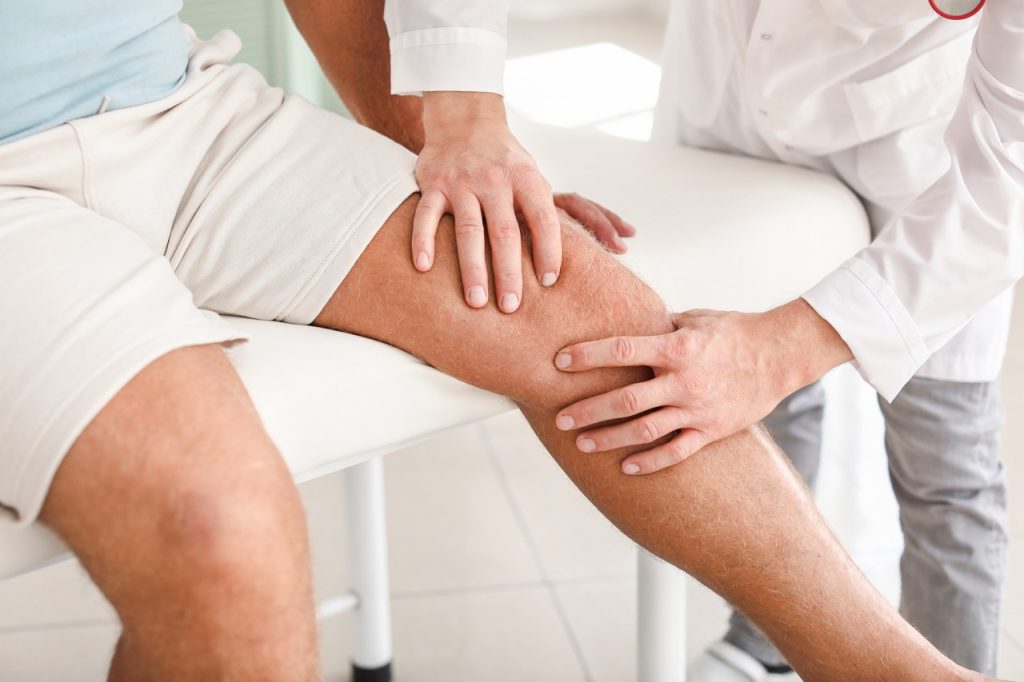
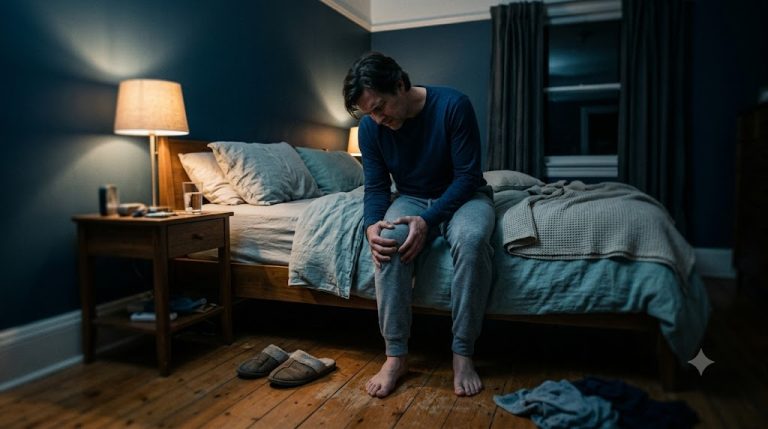
When knee pain starts, many people naturally walk less. It makes sense. If walking hurts, avoiding it may seem like the best way to protect the knee. While short-term rest may help after a flare-up, walking less over time can sometimes make knee pain worse.
Reduced activity can lead to stiffness, weakness, lower endurance, and less joint support. For patients with knee osteoarthritis, this can create a frustrating cycle where pain leads to inactivity and inactivity leads to more discomfort.
Why Movement Matters for Knee Health
The knee joint is designed to move. Gentle, appropriate movement helps maintain flexibility, muscle strength, circulation, and balance. When movement decreases too much, the joint may feel stiffer and less supported.
The muscles around the knee are especially important. They help stabilize the joint and reduce stress during walking, stairs, and standing.
How Inactivity Can Increase Stiffness
When you sit or rest for long periods, the knee may feel tight or stiff. This is especially common for people with knee osteoarthritis. You may notice stiffness after sitting at a desk, riding in a car, or waking up in the morning.
The less you move, the harder it may feel to get moving again.
Muscle Weakness Can Increase Knee Stress
Walking less can cause the leg muscles to weaken over time. Weaker muscles may provide less support for the knee joint. This can make normal activities, such as walking through a store or climbing stairs, feel more painful.
When the knee feels weaker, you may walk even less. This can continue the cycle.
Knee Osteoarthritis and Activity Avoidance
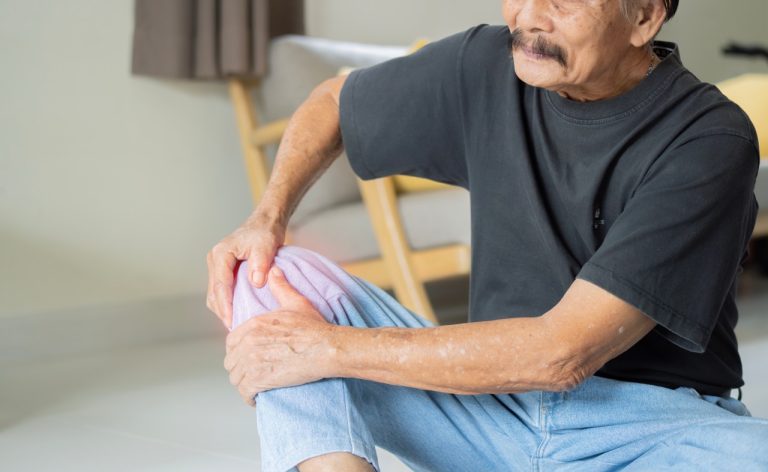
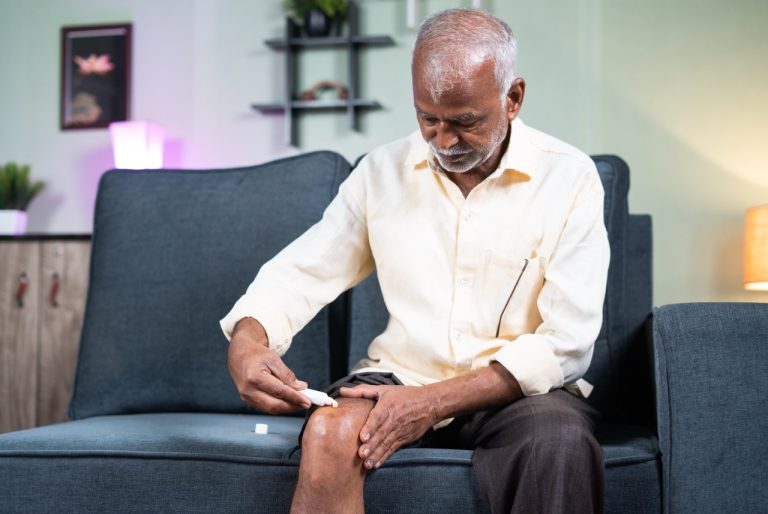
Knee osteoarthritis occurs when cartilage inside the knee joint becomes worn or damaged. Symptoms may include pain, swelling, stiffness, grinding, and reduced mobility.
Because movement can sometimes trigger discomfort, patients may avoid activity. However, avoiding activity completely does not address the underlying issue and may make daily function harder.
Rest Has a Place, But It Is Not the Whole Plan
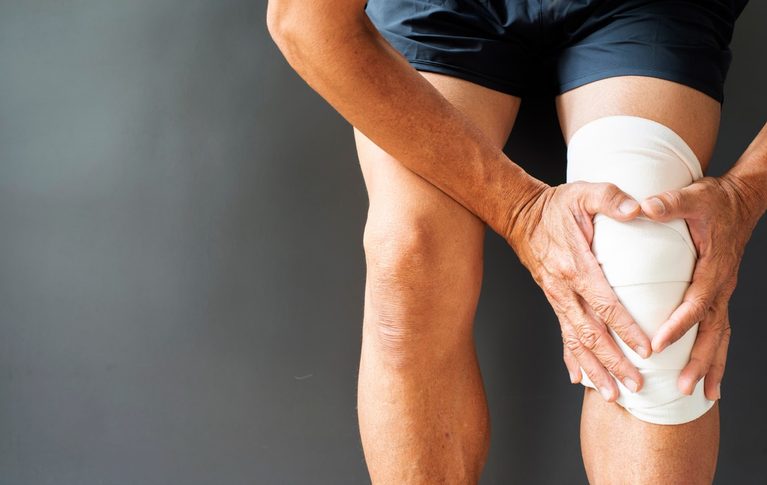
Rest can be helpful after a painful flare-up or a long day on your feet. However, rest alone may not be enough for chronic knee pain. If symptoms return every time you walk, stand, or use stairs, your knee should be evaluated.
A knee pain consultation can help determine whether osteoarthritis or another condition is contributing to your symptoms.
When Walking Less Becomes a Warning Sign
You should consider seeking care if:
- You avoid walking because of knee pain
- You cannot walk as far as before
- You need more breaks during errands
- Your knee swells after walking
- Stiffness is getting worse
- You feel weaker or less steady
- You rely more on support or railings
- Pain affects your independence
These signs may indicate that knee pain is affecting your mobility and quality of life.
Explore Nonsurgical Knee Pain Treatment
At Knee Pain Centers of America, patients can explore nonsurgical treatment options for knee osteoarthritis. The goal is to help patients reduce pain, improve comfort, and stay active with greater confidence.
If walking less has become your way of managing knee pain, schedule a consultation to learn whether there may be better options.