Why Knee Pain Can Make You Avoid the Things You Love
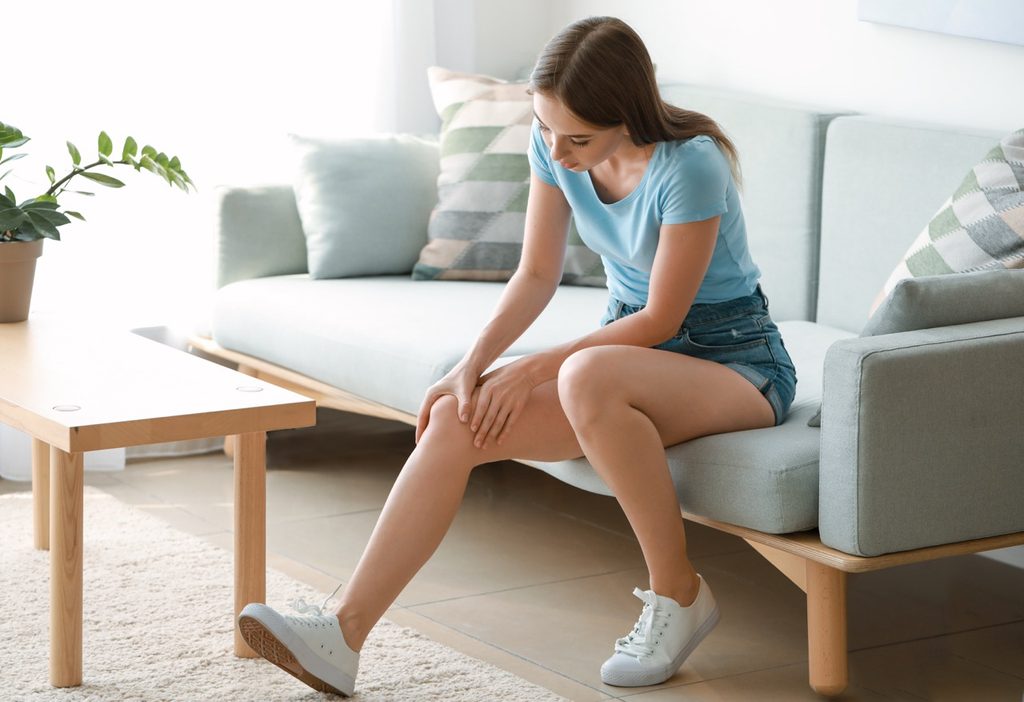
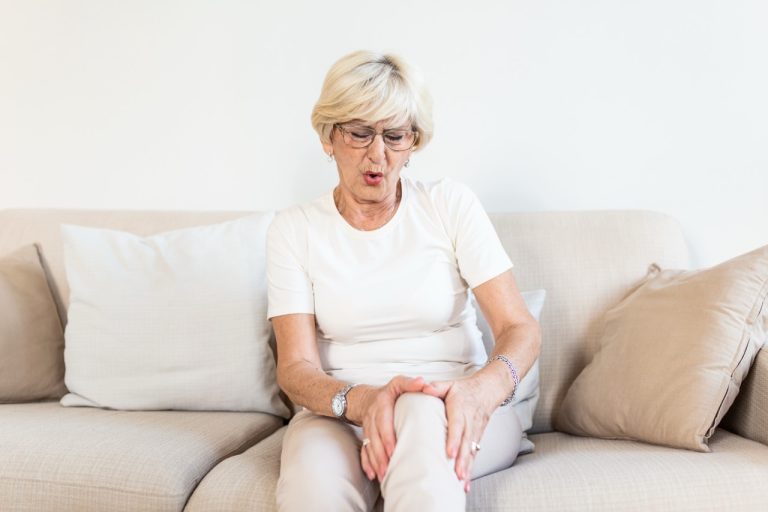
Knee pain can slowly change the way you live. At first, you may skip a walk or avoid stairs. Later, you may stop attending events, give up hobbies, travel less, or avoid activities that once brought you joy. This gradual change can be frustrating and discouraging.
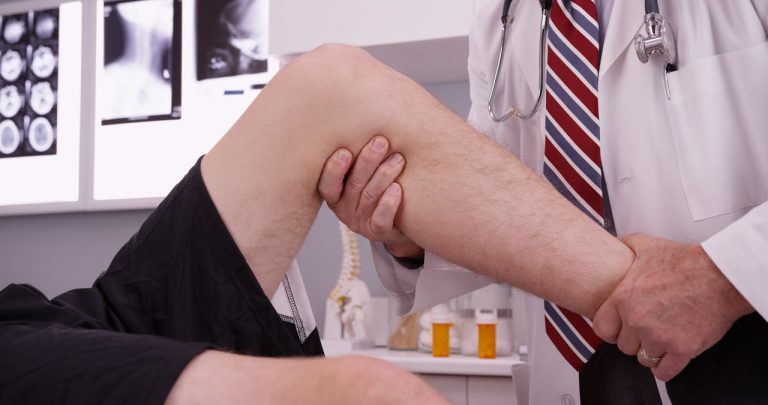
If knee pain is making you avoid the things you love, it may be time to seek care. Chronic knee pain may be connected to knee osteoarthritis, inflammation, stiffness, or joint changes that need evaluation.
Avoidance Often Starts Small
Many people do not immediately notice how much knee pain is affecting them. You may choose not to walk as far, park closer to entrances, take elevators instead of stairs, or sit during activities you used to enjoy.
These choices may seem practical, but over time they can reduce your activity, independence, and quality of life.
Knee Osteoarthritis Can Limit Activity
Knee osteoarthritis occurs when the cartilage inside the knee joint becomes worn or damaged. This can cause pain, stiffness, swelling, and reduced mobility. Symptoms may be worse during walking, standing, stairs, or after busy days.
When symptoms are unpredictable, patients may start avoiding activities because they are unsure how their knees will feel.
Activities Knee Pain Can Interfere With
Chronic knee pain may affect:
- Walking for exercise
- Playing with grandchildren
- Traveling
- Gardening
- Golf or recreational sports
- Shopping
- Family events
- Housework
- Work responsibilities
- Social outings
When pain limits these parts of life, it deserves attention.
Avoiding Activity Can Make Pain Worse
While avoiding painful activity may help temporarily, doing less can lead to weakness and stiffness. The muscles around the knee help support the joint. When activity decreases, those muscles may become weaker.
This can create a cycle where knee pain leads to less movement, less movement leads to weakness, and weakness makes knee pain more limiting.
The Emotional Impact of Knee Pain
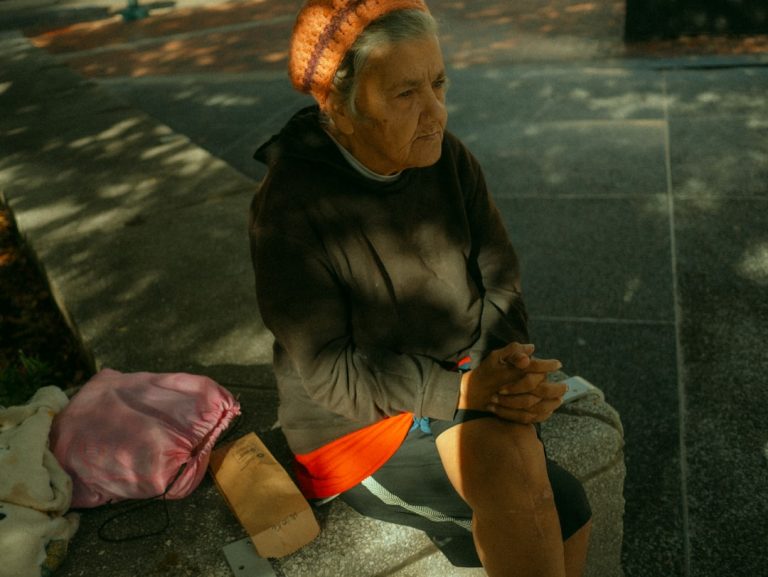
Giving up activities you enjoy can affect your mood and confidence. Patients may feel frustrated, isolated, or worried about losing independence. Knee pain is not only a physical issue. It can affect the way you feel about your future.
Seeking care can help you better understand your options and take a more active role in your mobility.
When to Seek Knee Pain Treatment
Consider scheduling a consultation if:
- You avoid activities because of knee pain
- Pain affects family events or hobbies
- You walk less than before
- Stairs are becoming difficult
- Your knee swells after activity
- You feel stiff after sitting
- Medication or rest is not enough
- Pain is limiting your quality of life
Explore Nonsurgical Options
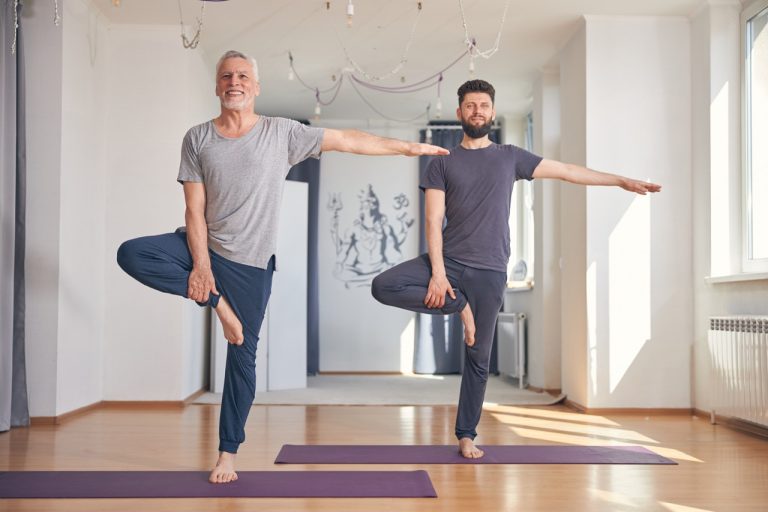
At Knee Pain Centers of America, patients can learn about nonsurgical treatment options for knee osteoarthritis. Care is designed to help patients reduce discomfort, improve mobility, and return to daily activities with more confidence.
If knee pain is keeping you from the things you love, schedule a consultation to learn more about your treatment options.