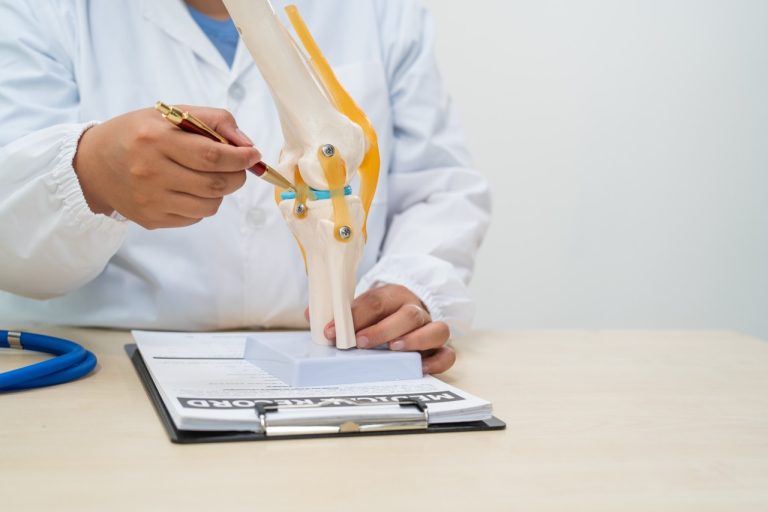
How Knee Arthritis Can Progress Over Time
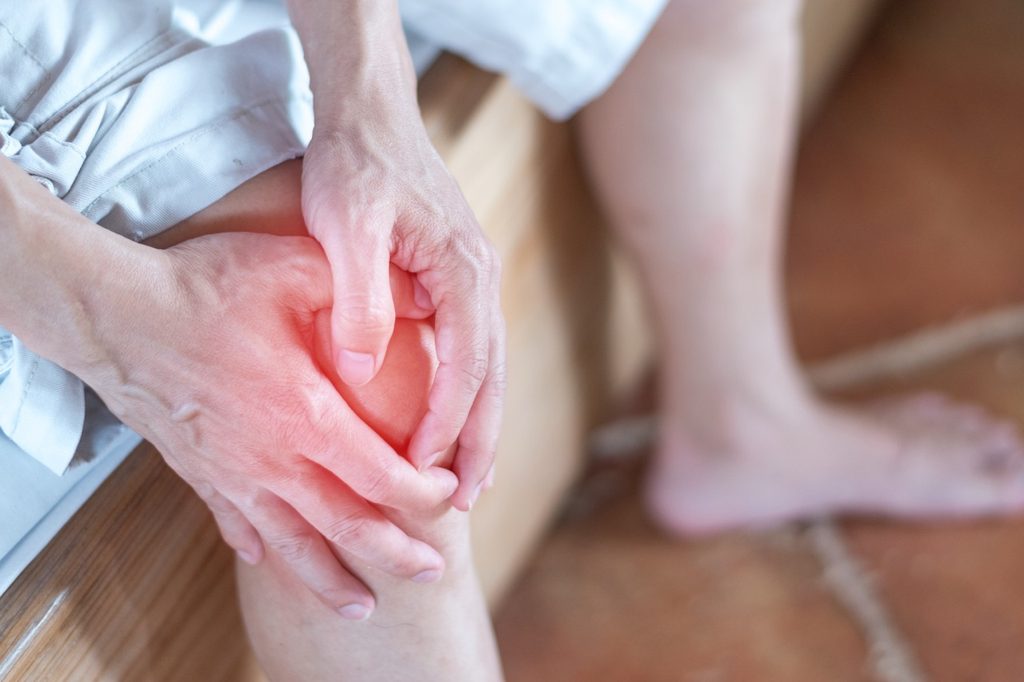
Knee arthritis often develops slowly. At first, symptoms may be mild and easy to ignore. You may feel soreness after a long walk, stiffness in the morning, or discomfort when using stairs. Over time, those symptoms may become more frequent and harder to manage.
Understanding how knee arthritis can progress may help patients recognize when it is time to seek care. While every patient is different, knee osteoarthritis commonly affects pain, movement, confidence, and daily independence.
What Is Knee Osteoarthritis?
Knee osteoarthritis occurs when the cartilage inside the knee joint becomes worn or damaged. Cartilage helps cushion the bones and allows the joint to move smoothly. When cartilage breaks down, the knee may become more sensitive to pressure and movement.
As the condition progresses, patients may experience pain, stiffness, swelling, grinding, reduced range of motion, and difficulty with daily activities.
Early Symptoms May Be Mild
In the early stages, knee arthritis symptoms may come and go. You may feel pain only after extra activity or notice stiffness after sitting for a long time. Stairs may feel slightly harder, but not impossible.
Because the symptoms may be manageable at first, many people delay care. They may assume the pain is temporary or just part of aging.
Symptoms May Become More Frequent
As arthritis progresses, symptoms may happen more often. Pain may appear during normal walking, standing, or errands. Stiffness may last longer after sitting or sleeping. Swelling may occur after activity or at the end of the day.
Patients may also notice that rest and over-the-counter medication do not provide the same level of relief they once did.
Mobility Can Become More Limited
Knee arthritis can affect how far you walk, how confidently you use stairs, and how easily you stand from a chair. You may begin avoiding activities that require walking, bending, or standing for long periods.
Over time, reduced activity can weaken the muscles around the knee. These muscles help support the joint. When they become weaker, the knee may feel less stable and more painful during movement.
Walking Patterns May Change
When one or both knees hurt, your body may naturally change the way you move. You may limp, shift weight to one side, take shorter steps, or avoid fully bending the painful knee.
These changes can place extra stress on other areas of the body, including the hips, back, feet, ankles, and opposite knee.
When to Seek Care
You should consider a knee pain consultation if:
- Pain is becoming more frequent
- Stiffness lasts longer than before
- Swelling keeps returning
- Stairs are becoming difficult
- Walking distance is decreasing
- Your knee feels weak or unstable
- Pain affects sleep, work, or daily life
- Medication or rest is no longer enough
A consultation can help determine whether knee osteoarthritis is contributing to your symptoms and what treatment options may be available.
Explore Nonsurgical Knee Arthritis Care
At Knee Pain Centers of America, patients can learn about nonsurgical treatment options for knee osteoarthritis. The goal is to help patients reduce discomfort, support mobility, and make informed decisions before symptoms become more limiting.
If knee arthritis symptoms are progressing, schedule a consultation to learn more about your options.