Knee Pain During Everyday Tasks: When to Get Help

Knee pain does not only happen during exercise. For many people, it shows up during ordinary daily tasks like walking through the house, standing in the kitchen, getting out of a chair, climbing stairs, or running errands. When everyday movement becomes painful, it may be time to seek help.
Pain during normal activities may be connected to knee osteoarthritis, inflammation, weakness, stiffness, or joint irritation. Ignoring these symptoms can allow knee pain to become more limiting over time.
Why Everyday Tasks Can Trigger Knee Pain
The knees are involved in almost every movement. Standing, walking, bending, turning, and climbing stairs all require the knee to support weight and move smoothly.
If the knee is affected by arthritis or inflammation, even simple tasks can create discomfort. Pain may start as mild soreness but become more frequent as the joint continues to experience stress.
Knee Osteoarthritis and Daily Pain
Knee osteoarthritis occurs when the cartilage inside the knee joint becomes worn or damaged. Cartilage helps cushion the bones and allows smooth movement. When cartilage changes, the knee may become painful, stiff, swollen, or harder to move.
This can make daily responsibilities harder, even if you are not doing anything strenuous.
Everyday Tasks That May Become Difficult
Patients with chronic knee pain may struggle with:
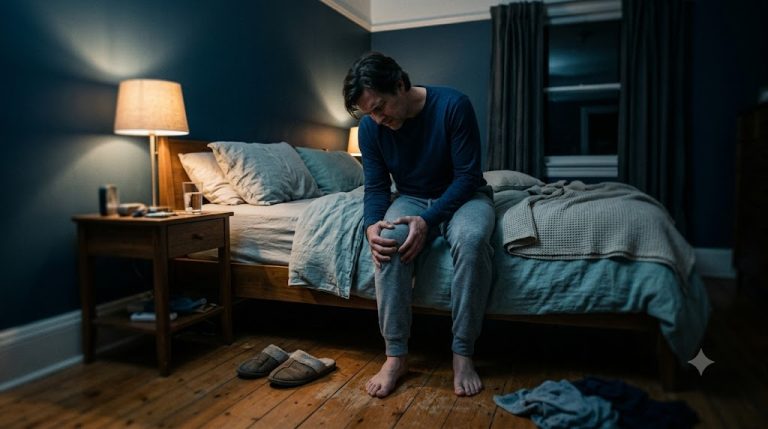
- Getting out of bed
- Standing from a chair
- Walking through the store
- Carrying groceries
- Climbing stairs
- Cooking or cleaning
- Getting in and out of a car
- Doing laundry
- Walking the dog
- Standing in line
These tasks may seem small, but they are important for independence and quality of life.
When Knee Pain Starts Changing Your Routine
Many people adjust their habits without realizing it. You may avoid stairs, choose shorter errands, sit more often, or ask for more help. These changes may reduce pain temporarily, but they can also show that knee pain is affecting your lifestyle.
If you are planning your day around your knees, it may be time for an evaluation.
Why Waiting Can Make Pain More Limiting
When knee pain causes you to move less, the muscles around the knee may weaken. These muscles help support and stabilize the joint. Weakness can make daily movement harder and may increase discomfort.
Pain can also change how you walk, which may place extra stress on the hips, back, feet, and opposite knee.
When to Get Help
Consider scheduling a knee pain consultation if:
- Daily tasks cause knee pain
- Pain is becoming more frequent
- Stairs are difficult
- Your knee swells after activity
- You feel stiff after sitting
- You rely more on support
- Pain affects independence
- Medication or rest is not enough
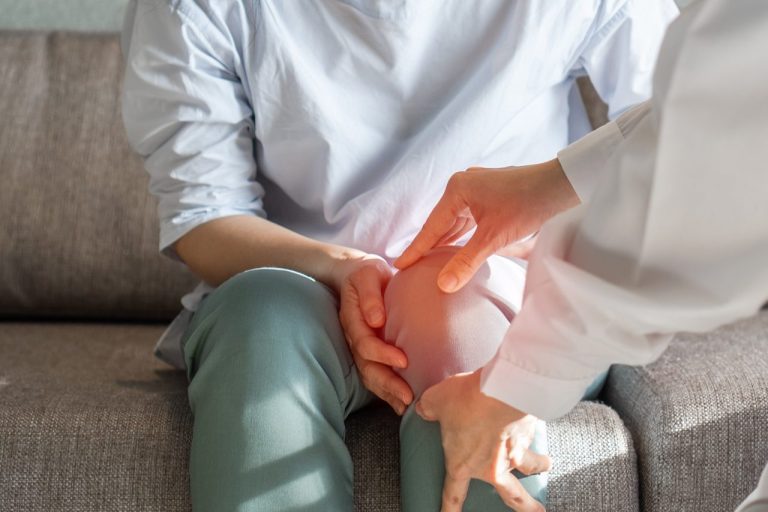
A consultation can help determine whether osteoarthritis or another condition may be involved.
Explore Nonsurgical Knee Pain Treatment
At Knee Pain Centers of America, patients can explore nonsurgical treatment options for knee osteoarthritis. The goal is to help patients reduce pain, improve comfort, and move through daily life with more confidence.
If everyday tasks are becoming painful, schedule a consultation to learn more about your options.