Knee Pain After Exercise: When It Is More Than Soreness

Feeling sore after exercise can be normal, especially after trying a new workout or increasing activity. But knee pain that keeps returning, causes swelling, or limits movement may be more than normal soreness.
For some patients, exercise-related knee pain may be connected to knee osteoarthritis, inflammation, cartilage changes, overuse, or reduced muscle support. Knowing the difference between temporary soreness and a possible knee problem can help you decide when to seek care.
Normal Soreness vs Knee Pain
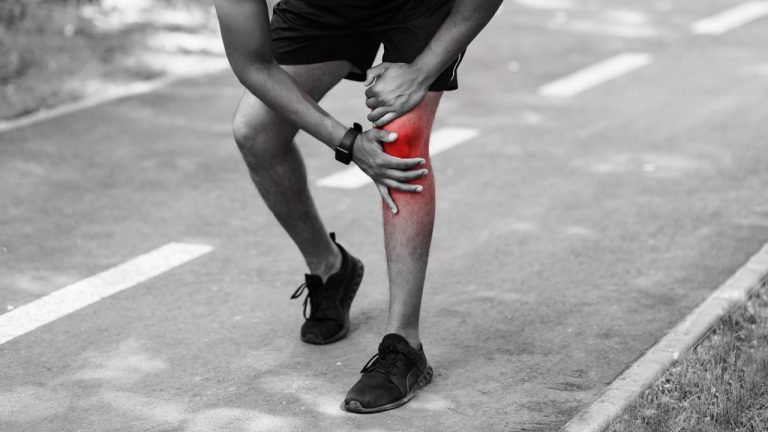
General muscle soreness usually improves within a few days and is often felt in the muscles rather than deep inside the joint. Knee pain may feel sharper, more focused, or connected to movement.
You should pay attention if pain is inside the knee, around the joint line, behind the kneecap, or paired with swelling, stiffness, grinding, weakness, or instability.
Knee Osteoarthritis and Exercise Pain
Knee osteoarthritis occurs when cartilage inside the knee joint becomes worn or damaged. Cartilage helps cushion the bones and allows smooth movement. When cartilage changes, activity can make the joint more sensitive.
Patients may notice pain after walking, cycling, fitness classes, golf, tennis, yard work, or leg exercises. Some feel discomfort during exercise, while others feel worse later or the next morning.
Warning Signs After Exercise
Knee pain after exercise may need evaluation if:
- Pain keeps returning after activity
- Your knee swells
- Pain lasts into the next day
- Stairs become harder after workouts
- The knee feels stiff or tight
- You hear grinding or clicking with pain
- Your knee feels weak or unstable
- You avoid exercise because of discomfort
These signs may suggest the knee joint is irritated.
Why Pushing Through Pain Can Be Risky
Many active adults try to push through knee pain. While determination is helpful, ignoring recurring joint pain may worsen inflammation or lead to compensation. You may begin walking differently, favoring one side, or avoiding certain movements.
This can place extra stress on the hips, back, feet, and opposite knee.
Should You Stop Exercising?
Not all knee pain means you need to stop moving completely. Activity is important for strength, circulation, flexibility, and overall health. However, recurring or worsening knee pain should be evaluated so you can understand what movements may be appropriate.
A knee pain consultation can help determine whether osteoarthritis or another issue may be contributing to your symptoms.
When to Seek Treatment
You should consider a consultation if exercise pain is limiting your routine, getting worse, or not improving with rest. It may also be time to seek care if medication is no longer enough or if you are worried about needing knee replacement surgery.
Explore Nonsurgical Knee Pain Care
At Knee Pain Centers of America, patients can explore nonsurgical treatment options for knee osteoarthritis. Care is focused on helping patients reduce discomfort, improve mobility, and stay active with greater confidence.
If knee pain after exercise feels like more than soreness, schedule a consultation to learn more about your options.