Why Knee Pain May Return After Temporary Relief

Temporary relief from knee pain can feel encouraging. Rest, over-the-counter medication, ice, activity changes, or a few quiet days may help your knee feel better. But when the pain returns again, it can be frustrating and confusing.
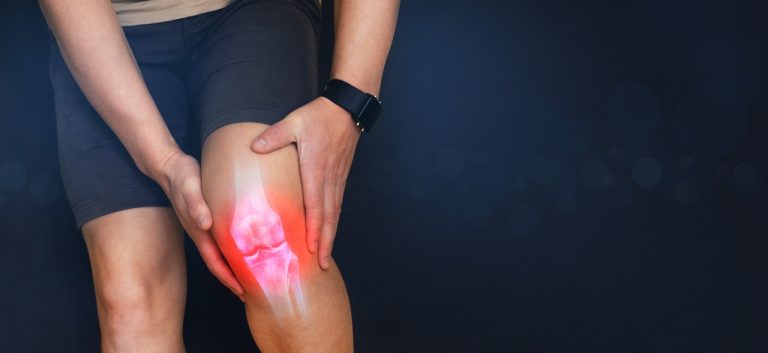
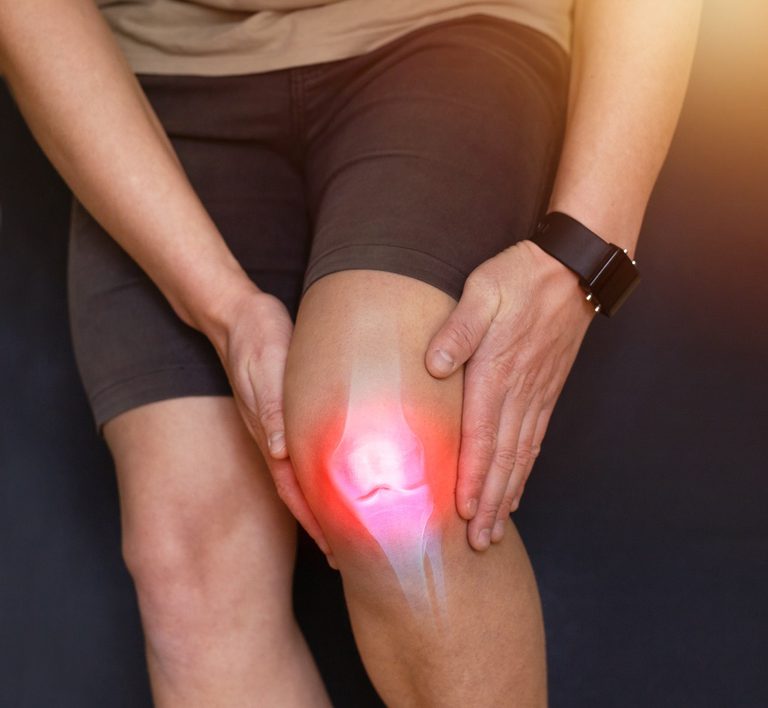
If knee pain keeps coming back after short-term relief, it may be a sign that the underlying cause has not been fully addressed. For many patients, recurring knee pain may be connected to knee osteoarthritis, inflammation, cartilage changes, or joint stress.
Temporary Relief Does Not Always Mean the Problem Is Gone
Short-term relief can help calm symptoms, but it does not always mean the knee joint has recovered. If the pain returns every time you walk, stand, use stairs, or become active again, your knee may need further evaluation.
Many people go through a cycle of pain, rest, relief, activity, and pain again. Over time, this pattern can become more frequent and limiting.
Knee Osteoarthritis and Recurring Pain
Knee osteoarthritis is a common reason pain returns after temporary improvement. It occurs when cartilage inside the knee joint becomes worn or damaged. Cartilage helps cushion the bones and allows smooth movement.
As cartilage changes, the joint may become more sensitive to daily pressure. This can lead to pain, stiffness, swelling, and reduced mobility. Symptoms may improve with rest but return when the knee is active again.
Inflammation Can Flare After Activity
Inflammation can also cause knee pain to return. After a busy day, long walk, stairs, or standing for several hours, the knee may become irritated. This can lead to swelling, tightness, aching, or stiffness later in the day.
If inflammation keeps coming back, it may be a sign that the knee needs a more complete treatment plan.
Why Rest May Only Help for a Short Time
Rest reduces pressure on the knee, which can temporarily decrease discomfort. However, too much rest can create other problems. When you move less, the muscles around the knee can weaken. These muscles help support and stabilize the joint.
Weaker muscles may place more stress on the knee during activity, making pain more likely to return.
Signs You May Need More Than Temporary Relief
You should consider a knee pain consultation if:
- Pain keeps returning after rest
- Medication only helps briefly
- Your knee swells after activity
- Stairs are becoming harder
- Pain affects walking or standing
- You avoid activities because of discomfort
- Your knee feels stiff after sitting
- Symptoms are becoming more frequent
These signs may suggest that a deeper issue is causing your knee pain.
Why Evaluation Matters
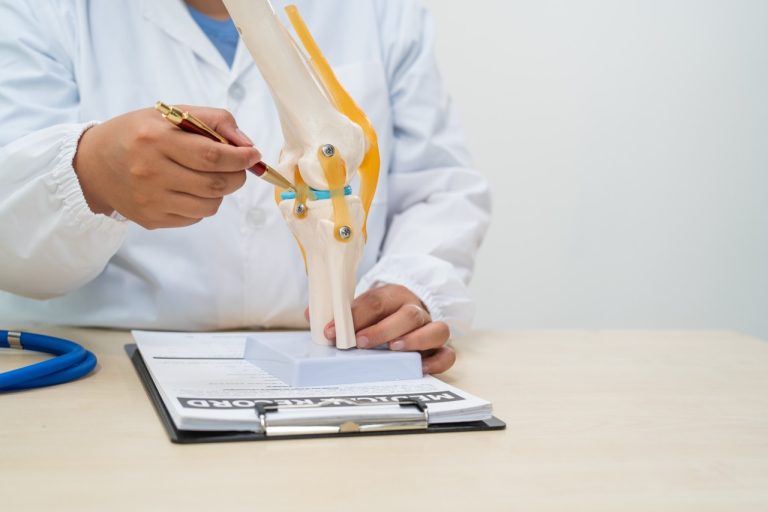
A knee pain evaluation can help identify whether osteoarthritis, inflammation, joint degeneration, or another condition may be involved. Once you better understand the source of your pain, you can make more informed decisions about treatment.
The goal is not just to quiet symptoms for a day or two. The goal is to explore options that may support better comfort and mobility over time.
Explore Nonsurgical Knee Pain Treatment
At Knee Pain Centers of America, patients can learn about nonsurgical treatment options for knee osteoarthritis. These options may help certain patients reduce pain, improve comfort, and stay active without immediately considering knee replacement surgery.
If your knee pain keeps returning after temporary relief, schedule a consultation to learn more about your options.