Why Knee Pain May Be Worse on One Side of the Joint
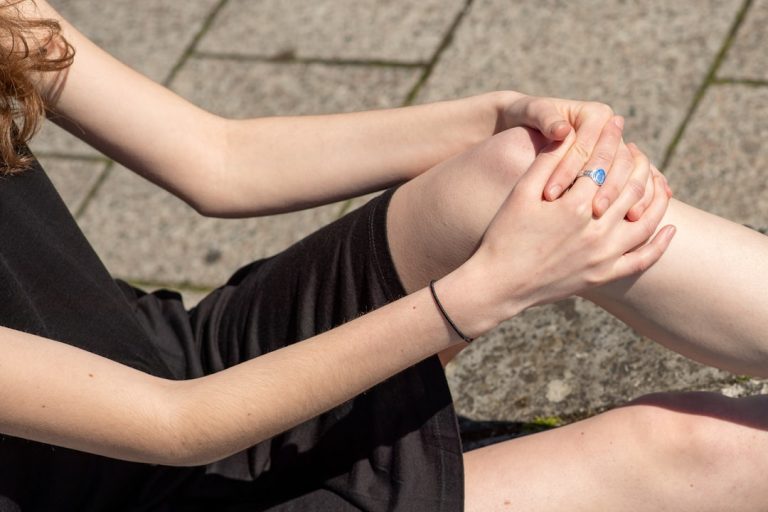
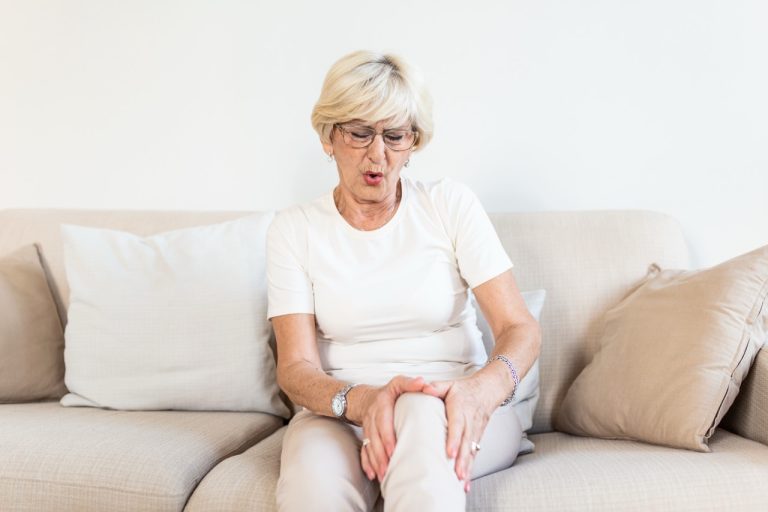
Knee pain does not always affect the entire knee evenly. Some patients feel pain mostly on the inside of the knee. Others feel it on the outside, front, or back of the joint. When knee pain is worse on one side, it can affect how you walk, stand, climb stairs, and move through your day.
One-sided knee pain may be related to knee osteoarthritis, inflammation, joint alignment, cartilage changes, past injury, or changes in the way you move. If the pain continues or gets worse, it may be time to schedule a knee pain evaluation.
Inside Knee Pain
Pain on the inside of the knee is common among patients with knee osteoarthritis. The inner part of the knee often bears significant pressure during walking and standing. If cartilage becomes worn in this area, the bones and soft tissues may become irritated.
Patients with inside knee pain may notice discomfort when walking, using stairs, standing from a chair, or turning. Swelling and stiffness may also occur.
Outside Knee Pain
Pain on the outside of the knee may be related to arthritis, overuse, joint stress, soft tissue irritation, or changes in walking mechanics. Some patients feel outer knee pain after increased activity or after favoring one leg for a long time.
When one side of the knee hurts, your body may compensate by changing your stride. This can place extra stress on other areas of the knee, hip, foot, or back.
Front Knee Pain
Pain in the front of the knee may become noticeable when climbing stairs, squatting, standing from a chair, or walking downhill. This type of pain may involve the kneecap area, cartilage changes, inflammation, or muscle weakness.
Patients often describe front knee pain as pressure, aching, or discomfort behind or around the kneecap.
Why Knee Osteoarthritis Can Feel Uneven
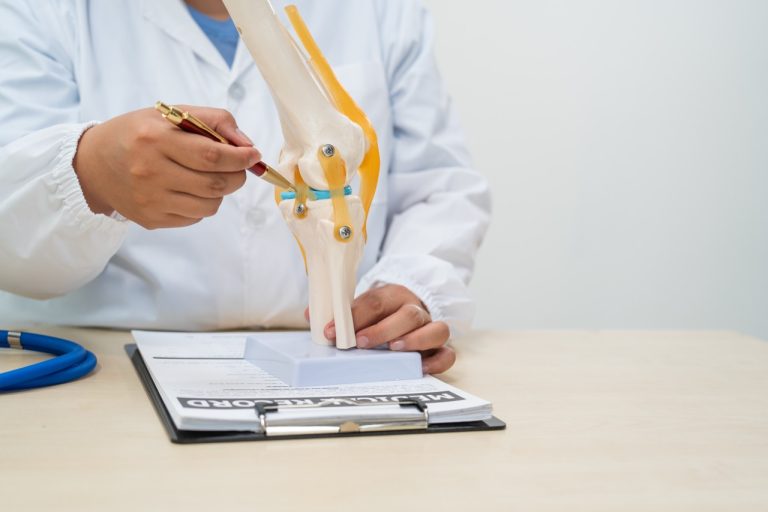
Knee osteoarthritis does not always affect the joint evenly. Cartilage may wear more in one compartment of the knee than another. This can make pain feel stronger on one side.
As arthritis progresses, the knee may also shift slightly in the way it carries weight. This can increase pressure on certain parts of the joint and cause uneven pain.
Movement Changes Can Make Pain Worse
When one side of the knee hurts, you may start walking differently without realizing it. You may lean away from pain, take shorter steps, or shift your weight to the other leg. These changes may reduce discomfort temporarily, but over time they can create additional stress.
This is one reason patients should not ignore one-sided knee pain that keeps returning.
When One-Sided Knee Pain Should Be Evaluated
Consider scheduling a consultation if pain is mostly on one side of the knee, pain worsens with walking or stairs, your knee swells after activity, you feel stiffness after sitting, you notice limping or walking changes, or medication and rest are not enough.
The right treatment depends on what is causing the pain. For some patients, nonsurgical knee pain treatment may help manage symptoms. At Knee Pain Centers of America, our team helps patients explore options for knee osteoarthritis pain before considering knee replacement surgery. Schedule a consultation to learn more.